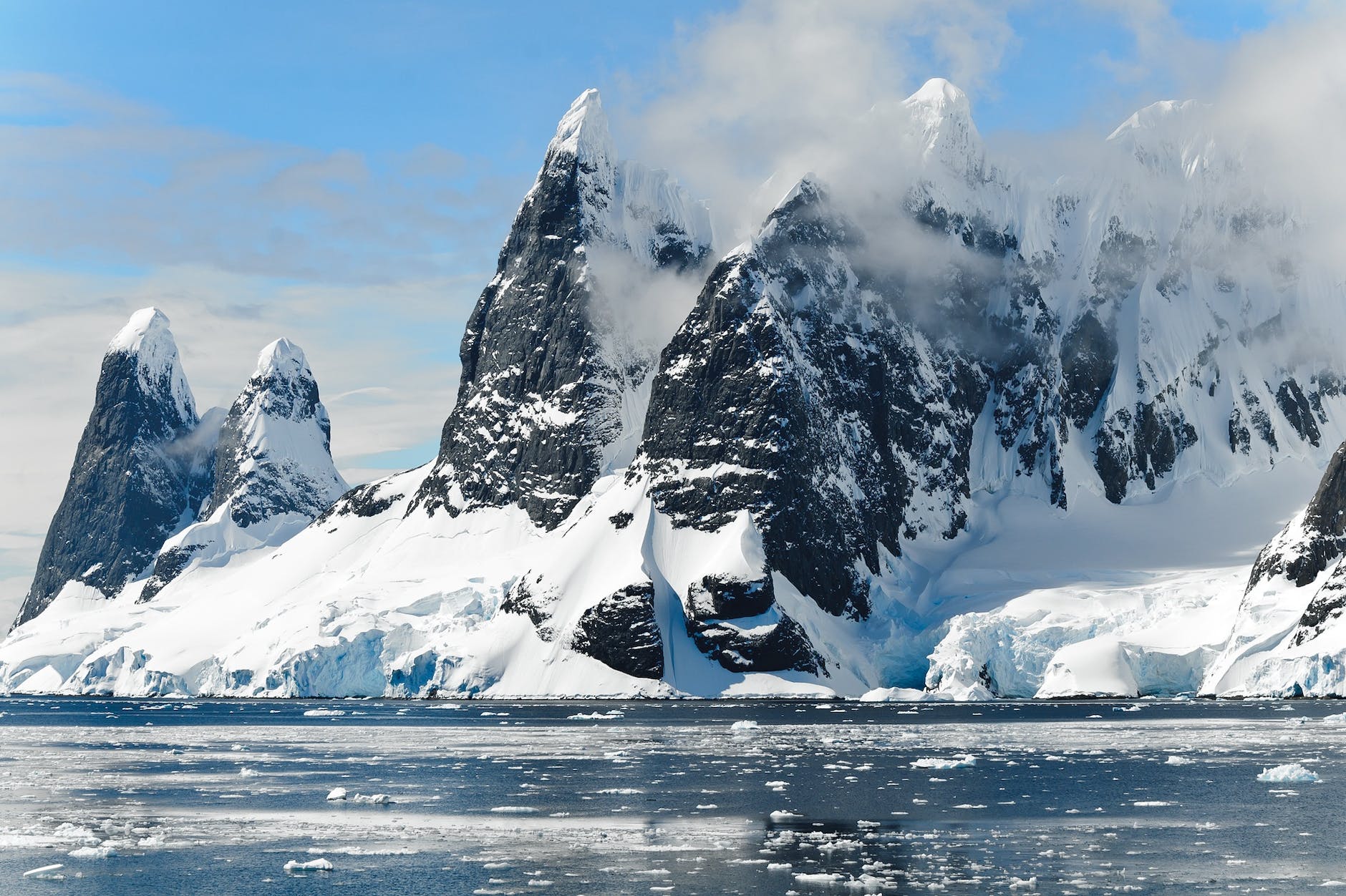
Antarctica’s Veiled Resources
Beneath the vast, icy expanse of Antarctica lies a treasure trove of mineral wealth that has intrigued scientists, policymakers, and commodity traders alike. This remote continent, known for its extreme cold, pristine landscapes, and unique wildlife, is also presumed to be rich in a variety of mineral resources. These include metals critical to the global economy such as nickel, copper, platinum, gold, silver, molybdenum, chromium, cobalt, zinc, lead, titanium, and even uranium. This post explores the potential of these resources, the challenges of Antarctic mineral exploration, and the implications for global commodity markets.
Potential Wealth Beneath the Ice
The geological formations of Antarctica suggest the presence of vast mineral resources, mirroring those found in other parts of the world where such minerals are mined extensively. For instance:
- Nickel and Copper: Vital for electronics, batteries, and industrial machinery.
- Platinum and Gold: Essential for jewelry, electronics, and as investment commodities.
- Molybdenum and Chromium: Used to strengthen steel and in various industrial applications.
- Cobalt and Lithium (presumed): Increasingly important for rechargeable batteries and renewable energy technologies.
- Zinc, Lead, and Titanium: Crucial for galvanization, batteries, paint, and aerospace industries, respectively.
- Uranium: Key for nuclear energy generation.
The Challenges of Antarctic Mining
While the presumed mineral wealth of Antarctica is significant, several formidable challenges stand in the way of exploration and extraction:
- Environmental Concerns: The Antarctic Treaty System, which governs the continent, prioritizes environmental protection and scientific research, prohibiting mineral resource activities that could disrupt the fragile ecosystem.
- Logistical Challenges: The harsh climate, remote location, and ice-covered terrain make mining operations logistically challenging and economically unfeasible with current technology.
- Legal and Political Hurdles: International agreements currently forbid any resource exploitation, reflecting global commitment to preserving Antarctica’s status as a natural reserve dedicated to peace and science.
Implications for Global Commodity Markets
The potential mineral resources of Antarctica hold significant implications for global commodity markets:
- Diversification of Supply: Should legal and technological barriers be overcome, Antarctica could provide a new, albeit controversial, source of critical minerals, potentially altering global supply dynamics.
- Market Volatility: Speculation about Antarctic resources could influence commodity prices, particularly if new deposits of rare or highly valued minerals are confirmed.
- Sustainability Concerns: The environmental impact of mining in such a pristine environment would likely fuel debates on sustainable practices and the global shift towards renewable energy and materials.
Navigating the Future
For commodity traders, the prospect of Antarctic mineral exploration is a subject of both interest and caution. The current focus remains on sustainable and ethically sourced commodities, with increasing pressure to balance economic interests with environmental preservation. The future of Antarctic mineral resources is uncertain, tied to advancements in extraction technologies, international law, and global environmental priorities.
Conclusion: A Delicate Balance
Antarctica’s presumed mineral wealth represents a complex intersection of geological potential, environmental stewardship, and international governance. For now, the continent remains a symbol of international cooperation and environmental conservation, with its hidden treasures locked beneath the ice. As commodity traders and the global community contemplate the future, the emphasis lies on responsible stewardship, ensuring that the pursuit of resources does not compromise the unique value of Earth’s last great wilderness.