Category: Exotic

A niche but intriguing category, exotic commodities include unconventional products like water rights, uranium used in nuclear energy, and rare earth metals essential for electronics and clean energy technologies. These commodities often have specialized markets with unique supply and demand dynamics.

  • The Frozen Treasure: Unveiling the Presumed Mineral Wealth of Antarctica

    The Frozen Treasure: Unveiling the Presumed Mineral Wealth of Antarctica

    Antarctica’s Veiled Resources

    Beneath the vast, icy expanse of Antarctica lies a treasure trove of mineral wealth that has intrigued scientists, policymakers, and commodity traders alike. This remote continent, known for its extreme cold, pristine landscapes, and unique wildlife, is also presumed to be rich in a variety of mineral resources. These include metals critical to the global economy such as nickel, copper, platinum, gold, silver, molybdenum, chromium, cobalt, zinc, lead, titanium, and even uranium. This post explores the potential of these resources, the challenges of Antarctic mineral exploration, and the implications for global commodity markets.

    Potential Wealth Beneath the Ice

    The geological formations of Antarctica suggest the presence of vast mineral resources, mirroring those found in other parts of the world where such minerals are mined extensively. For instance:

    • Nickel and Copper: Vital for electronics, batteries, and industrial machinery.
    • Platinum and Gold: Essential for jewelry, electronics, and as investment commodities.
    • Molybdenum and Chromium: Used to strengthen steel and in various industrial applications.
    • Cobalt and Lithium (presumed): Increasingly important for rechargeable batteries and renewable energy technologies.
    • Zinc, Lead, and Titanium: Crucial for galvanization, batteries, paint, and aerospace industries, respectively.
    • Uranium: Key for nuclear energy generation.

    The Challenges of Antarctic Mining

    While the presumed mineral wealth of Antarctica is significant, several formidable challenges stand in the way of exploration and extraction:

    1. Environmental Concerns: The Antarctic Treaty System, which governs the continent, prioritizes environmental protection and scientific research, prohibiting mineral resource activities that could disrupt the fragile ecosystem.
    2. Logistical Challenges: The harsh climate, remote location, and ice-covered terrain make mining operations logistically challenging and economically unfeasible with current technology.
    3. Legal and Political Hurdles: International agreements currently forbid any resource exploitation, reflecting global commitment to preserving Antarctica’s status as a natural reserve dedicated to peace and science.

    Implications for Global Commodity Markets

    The potential mineral resources of Antarctica hold significant implications for global commodity markets:

    • Diversification of Supply: Should legal and technological barriers be overcome, Antarctica could provide a new, albeit controversial, source of critical minerals, potentially altering global supply dynamics.
    • Market Volatility: Speculation about Antarctic resources could influence commodity prices, particularly if new deposits of rare or highly valued minerals are confirmed.
    • Sustainability Concerns: The environmental impact of mining in such a pristine environment would likely fuel debates on sustainable practices and the global shift towards renewable energy and materials.

    Navigating the Future

    For commodity traders, the prospect of Antarctic mineral exploration is a subject of both interest and caution. The current focus remains on sustainable and ethically sourced commodities, with increasing pressure to balance economic interests with environmental preservation. The future of Antarctic mineral resources is uncertain, tied to advancements in extraction technologies, international law, and global environmental priorities.

    Conclusion: A Delicate Balance

    Antarctica’s presumed mineral wealth represents a complex intersection of geological potential, environmental stewardship, and international governance. For now, the continent remains a symbol of international cooperation and environmental conservation, with its hidden treasures locked beneath the ice. As commodity traders and the global community contemplate the future, the emphasis lies on responsible stewardship, ensuring that the pursuit of resources does not compromise the unique value of Earth’s last great wilderness.

  • Canada’s Sulphur Exports: Powering Global Industries

    Canada’s Sulphur Exports: Powering Global Industries

    A Global Leader in Sulphur Production

    In 2020, Canada solidified its position as a global leader in sulphur exports, with sales reaching an impressive $190 million, making it the fifth-largest exporter of sulphur in the world. This remarkable achievement underscores Canada’s pivotal role in the sulphur market and its capacity to meet the growing international demand for this vital mineral. This blog post explores the factors behind Canada’s success in the sulphur industry and the global impact of its exports.

    The Backbone of Canada’s Sulphur Industry

    Canada’s vast natural resources and advanced infrastructure are key to its prominent status in the sulphur export market. The majority of Canadian sulphur is derived as a by-product of the natural gas industry, particularly from operations in Alberta, which stands as the country’s primary sulphur producer. British Columbia also contributes to sulphur production, albeit on a smaller scale.

    Strategic Advantages

    Several factors contribute to Canada’s competitive edge in the sulphur market:

    • Abundant Reserves: Canada’s rich natural gas fields are a significant source of sulphur, providing a steady supply to meet both domestic and international demands.
    • Advanced Mining and Transportation Infrastructure: The country’s well-developed mining sector and efficient transportation networks, including the strategic use of the Port of Vancouver, facilitate the seamless extraction, processing, and global distribution of sulphur.
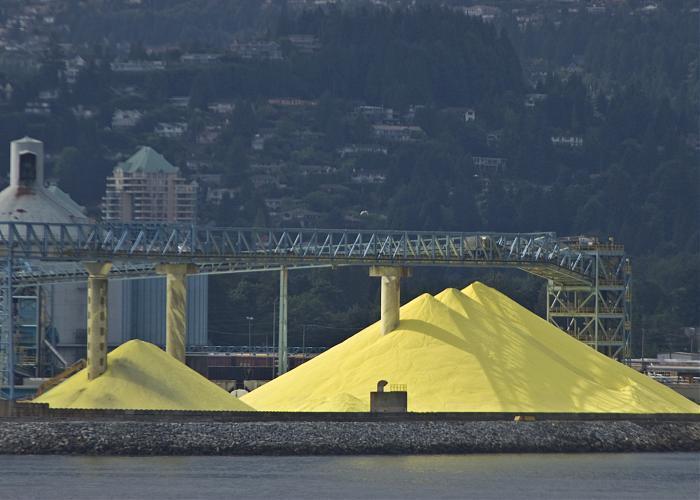
    • Vancouver Wharves: Serving as a key storage and transshipment point, the Vancouver Wharves play a crucial role in managing Canada’s sulphur exports. Millions of tonnes of sulphur are handled here annually, awaiting shipment to various international markets, particularly in Asia.

    Meeting the Global Demand

    The global demand for sulphur is driven by its essential applications across various industries:

    1. The Metal Industry: Sulphur is indispensable in the metal industry, particularly in the production of steel and other alloys. Its ability to enhance the properties of metals makes it a valuable commodity in industrial manufacturing processes.
    2. The Chemical Industry: One of the largest consumers of sulphur is the chemical industry, where sulphur is a key ingredient in producing sulphuric acid, a critical component in manufacturing fertilizers, batteries, and many other products.

    Canada’s Export Markets

    Asia emerges as a significant destination for Canadian sulphur, driven by the region’s robust industrial growth and the consequent demand for sulphur and sulphuric acid. The strategic positioning of Canadian ports, particularly in British Columbia, facilitates direct access to Asian markets, enhancing the efficiency and cost-effectiveness of sulphur exports.

    Challenges and Opportunities

    While Canada’s sulphur industry enjoys many strategic advantages, it also faces challenges such as fluctuating global prices and environmental concerns related to sulphur extraction and processing. Addressing these challenges requires innovation and adherence to sustainable practices.

    Conclusion: A Vital Contributor to Global Industries

    Canada’s role as a leading sulphur exporter is a testament to its natural resource wealth and industrial capabilities. As the world continues to rely on sulphur for various critical applications, Canada’s sulphur exports is well-positioned to remain a key player in the global market. For commodity traders, understanding the dynamics of Canada’s sulphur exports and the factors driving demand in key markets is essential for capitalizing on the opportunities presented by this essential mineral.

  • Exploring the World of Water Trading: Opportunities, Markets, and Strategies

    Exploring the World of Water Trading: Opportunities, Markets, and Strategies

    The Emergence of Water as a Tradable Commodity

    Water trading has become an increasingly significant aspect of global commodity markets, reflecting the growing recognition of water as a scarce and valuable resource. This concept involves the buying and selling of water rights or entitlements, allowing water to be transferred from areas of surplus to those facing scarcity. In this blog post, we’ll explore the intricacies of the water trading market, its leading players, examples, and how interested parties can get involved.

    Understanding Water Trading

    Water trading typically occurs in regions where water scarcity is a pressing issue. These markets are designed to allocate water more efficiently and sustainably, often through the use of water rights, which are legal entitlements to use a certain amount of water. The value of these rights fluctuates based on supply and demand dynamics, much like other commodities.

    Approximate Dollar Values and Market Dynamics

    Quantifying the global value of water trading markets is challenging due to the diverse nature of these markets and the varying costs of water across regions. However, in established markets like Australia and parts of the United States, the value of water trading can run into billions of dollars annually. For instance, Australia’s Murray-Darling Basin market saw transactions worth over AUD 2 billion in recent years.

    Leading Countries in Water Trading

    Australia: Often cited as a leading example, Australia has a well-developed water market, especially in the Murray-Darling Basin. The country has implemented sophisticated systems for trading water entitlements and allocations.

    United States: Certain states, like California and Colorado, have active water markets. These markets are essential for addressing the water needs of agriculture, urban areas, and environmental conservation.

    Chile: Known for its market-driven approach to water rights, Chile has a long history of water trading, utilized for both agricultural and industrial purposes.

    Examples of Water Trading

    • Temporary and Permanent Trades: In Australia, water trading can be either temporary (leasing rights for a season) or permanent (selling the rights entirely).
    • Environmental Water Purchases: Governments and conservation groups often purchase water rights to maintain environmental flows in rivers and wetlands.
    • Urban and Agricultural Trades: Urban areas may purchase water from agricultural users during drought periods.

    Getting Involved in Water Trading

    Understanding Legal Frameworks: Each region has specific laws and regulations governing water rights and trading. Understanding these legal frameworks is crucial.

    Market Research: Like any commodity market, water trading requires thorough market research to understand supply and demand dynamics, price trends, and risk factors.

    Working with Brokers and Platforms: Water trading often involves brokers or online platforms that facilitate transactions. Engaging with these entities can provide access to market opportunities and valuable insights.

    Sustainability and Ethical Considerations: It’s important to consider the sustainability and ethical implications of water trading, ensuring that transactions contribute to equitable and environmentally sound water management.

    Conclusion: A Market of Growing Importance

    Water trading represents a critical mechanism for addressing global water scarcity challenges. For commodity traders and investors, it offers a unique market with significant potential. However, successful involvement in water trading requires not only a sound understanding of market dynamics but also a commitment to sustainable and responsible water management practices. As the world increasingly recognizes the value of water, the water trading market is poised to expand, offering new opportunities for those prepared to navigate its complexities.

    Water Trading Image by rony michaud from Pixabay

  • China Dominates The Supply Of US Critical Minerals List

    China Dominates The Supply Of US Critical Minerals List

    Most countries have, for many decades, kept a record of their own critical minerals list.

    For example, the U.S., drew up a list of “war minerals” during World War I, containing important minerals which could not be found and produced in abundance domestically. They included: tin, nickel, platinum, nitrates and potash.

    Since then, as the economy has grown and innovated, critical mineral lists have expanded considerably. The Energy Act of 2020 defines a critical mineral as:

    “A non-fuel mineral or mineral material essential to the economic or national security of the U.S., whose supply chains are vulnerable to disruption.”

    – ENERGY ACT, 2020.

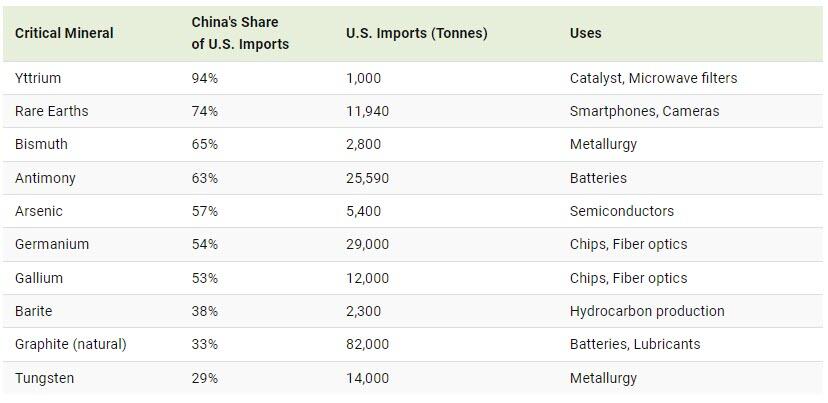
    Currently there are 50 entries on this list and the U.S. Geological Survey (USGS) estimates that China is the leading producer for 30 of them. From USGS data, Visual Capitalist’s Marcus Lu visualizes China’s share of U.S. imports for 10 critical minerals.

    What Key Critical Minerals Does the U.S. Import From China?

    The U.S. is 100% import-reliant for its supply of yttrium, with China responsible for 94% of U.S. imports of the metal from 2018 to 2021.

    A soft silvery metal, yttrium is used as an additive for alloys, making microwave filters for radars, and as a catalyst in ethylene polymerization—a key process in making certain kinds of plastic.

    China is a major supplier of the following listed critical minerals to the U.S.

    Note: China’s share of U.S. critical minerals imports is based on average imports from 2018 to 2021.

    Meanwhile, the U.S. also imports nearly three-quarters of its rare earth compounds and metals demand from China. Rare earth elements—so called since they are not found in easily-mined, concentrated clusters—are a collection of 15 elements on the periodic table, known as the lanthanide series.

    ℹ️ Yttrium and scandium exhibit similar rare-earth properties, and are found in the same ore bodies. They are often grouped together with the lanthanide series.

    Rare earths are used in smartphones, cameras, hard disks, and LEDs but also, crucially, in the clean energy and defense industries.

    Does China’s Dominance of U.S. Critical Minerals Supply Matter?

    The USGS estimates that China could potentially disrupt the global rare earth oxide supply by cutting off 40–50% production, impacting suppliers of advanced components used in U.S. defense systems.

    A version of this sort of trade warfare is already playing out. Earlier this year, China implemented export controls on germanium and gallium. The U.S. relies on China for around 54% of its demand for both minerals, used for producing chips, solar panels, and fiber optics.

    China’s controls were seen as a retaliation against the U.S. which has restricted the supply of chips, chip design software, and lithography machines to Chinese companies.

    Source: Zero Hedge

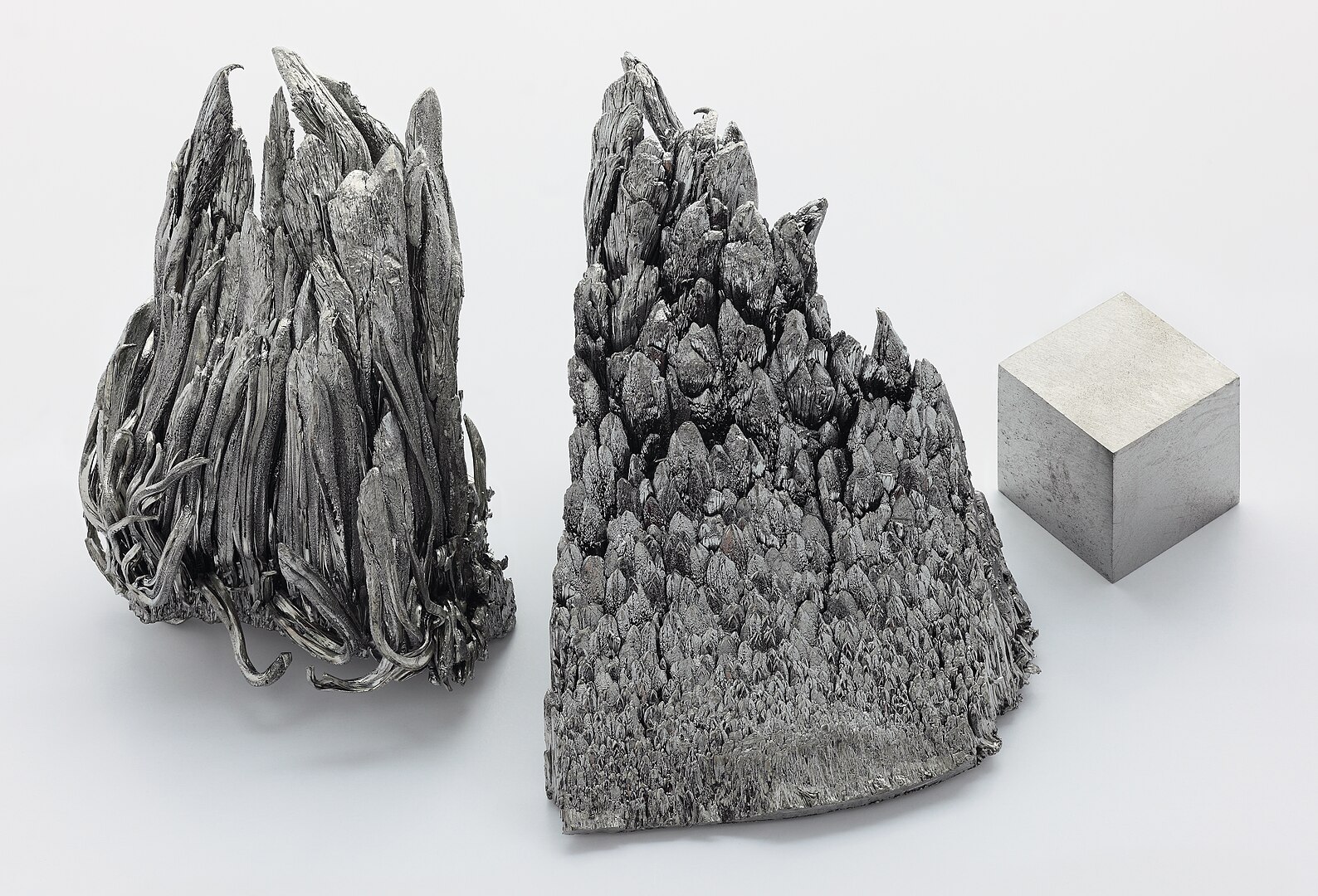
    Critical Minerals Photo credit Wikipedia: Yttriumsublimeddendritic, high purity 99.99 % Y/TREM. As well as an argon arc remelted 1 cm3 yttrium cube for comparison. Purity 99.9 %.

  • Rhodium: The Precious Metal Shaping the Future of Commodity Trading

    Rhodium: The Precious Metal Shaping the Future of Commodity Trading

    The Rising Star in the Precious Metals Market

    In the dynamic world of commodity trading, rhodium has emerged as a significant and intriguing player. This rare and precious metal, often overshadowed by its more famous counterparts like gold and silver, has been carving out a niche for itself, especially in the realm of industrial applications and investment.

    What is Rhodium?

    Rhodium is a rare, silver-white metallic element that is highly reflective and resistant to corrosion. It is part of the platinum group metals (PGMs), which also include platinum, palladium, iridium, osmium, and ruthenium. What sets rhodium apart is its scarcity and the unique properties it offers, making it highly valuable for various industrial uses.

    Industrial Applications: The Driving Force

    The primary demand for rhodium comes from the automotive industry, where it is used in catalytic converters to reduce harmful emissions from vehicles. This metal plays a crucial role in environmental protection efforts, making it increasingly relevant in today’s eco-conscious world. Additionally, rhodium is used in the chemical industry for its catalytic properties and in the manufacturing of specialized glass and electronics.

    The Investment Perspective

    From an investment standpoint, rhodium presents a unique opportunity. Its price is primarily driven by supply-demand dynamics, with the limited supply playing a significant role in its valuation. The rarity of rhodium, combined with its essential industrial uses, creates a scenario where the metal can see significant price movements, making it an attractive option for commodity traders and investors looking for diversification in their portfolios.

    Market Dynamics and Volatility

    The rhodium market is known for its volatility, a characteristic that can be attributed to its tight supply and the specific nature of its demand. The majority of rhodium supply comes from South Africa, followed by Russia, making it susceptible to geopolitical and economic factors in these regions. Additionally, changes in the automotive industry, such as the shift towards electric vehicles, can impact the demand and price of rhodium.

    The Future Outlook

    Looking ahead, the future of rhodium in commodity trading seems promising yet unpredictable. The ongoing push for cleaner emissions and the metal’s role in catalytic converters suggest a steady demand, at least in the near term. However, advancements in technology and changes in environmental regulations could alter the landscape significantly.

    Conclusion: A Niche Commodity with Potential

    In conclusion, rare earth metals represents a niche yet potentially lucrative commodity for traders and investors. Its unique properties, critical industrial uses, and the dynamics of its supply and demand make it an exciting, albeit volatile, addition to the world of commodity trading. As with any investment, understanding the market, staying abreast of industry developments, and a strategic approach are key to navigating the rhodium market’s complexities and capitalizing on its potential.

  • Uranium: Powering the Future, Understanding the Present

    Uranium: Powering the Future, Understanding the Present

    In the world of commodity trading, uranium stands out for its unique properties and critical role in modern energy generation. As the primary fuel for nuclear power plants, uranium’s significance extends far beyond its market value – it represents a cornerstone in the global quest for clean, reliable, and efficient energy sources. In this post, we will explore the world of uranium: its uses, market dynamics, and the implications of its trade in the current global energy landscape.

    The Role of Uranium in Energy Generation

    Uranium is a heavy metal with extraordinary energy-generating capabilities. It’s the fuel used in nuclear power plants, where it undergoes a process called nuclear fission. In fission, uranium atoms split to release a tremendous amount of heat, which is then used to generate electricity. This process is known for its efficiency and for producing a consistent and reliable power output.

    Global Uranium Reserves and Major Producers

    The world’s uranium reserves are vast yet unevenly distributed. Major reserves are found in countries like Kazakhstan, Canada, and Australia, which are also the top producers. Kazakhstan leads the world in uranium production, followed by Canada, known for its high-grade uranium deposits, and Australia, which possesses the largest known uranium reserves.

    Market Dynamics of Uranium

    Supply and Demand

    The uranium market is characterized by its complex supply-demand dynamics. The demand for uranium is directly tied to the health of the nuclear power industry. As countries seek low-carbon energy solutions, the demand for uranium is expected to grow. However, the development of new nuclear power plants is often slowed by high capital costs and regulatory challenges.

    Price Volatility

    Uranium prices have experienced significant volatility over the years. Factors such as changes in energy policies, environmental concerns, and geopolitical events can greatly impact the market.

    The Role of Governments

    The uranium market is heavily influenced by government policies. Many countries, viewing nuclear power as a strategic asset, maintain tight control over uranium mining and trading.

    The Future of Uranium

    Nuclear Energy and Climate Change

    As the world grapples with climate change, nuclear energy is often touted as a part of the solution, thanks to its low greenhouse gas emissions. This positions uranium as a critical resource in the global transition to cleaner energy sources.

    Advances in Nuclear Technology

    Advancements in nuclear technology, such as small modular reactors (SMRs) and next-generation reactors, could reshape the demand for uranium. These technologies promise to be safer, more efficient, and more adaptable to different environments.

    Uranium and Geopolitics

    The global nature of uranium trade makes it susceptible to geopolitical tensions. Issues around nuclear proliferation and security continue to influence uranium mining, trading, and international agreements.

    Conclusion

    Uranium’s role in the global energy mix is complex and multifaceted. As the world increasingly focuses on sustainability and security in energy sources, understanding the dynamics of the uranium market becomes more crucial. Whether you’re an investor, a policy-maker, or just an interested observer, staying informed about the developments in the uranium sector is essential. At CommodityTrader.com, we provide the insights and analyses to help you navigate this unique and vital market, keeping you ahead in the rapidly evolving world of energy commodities.

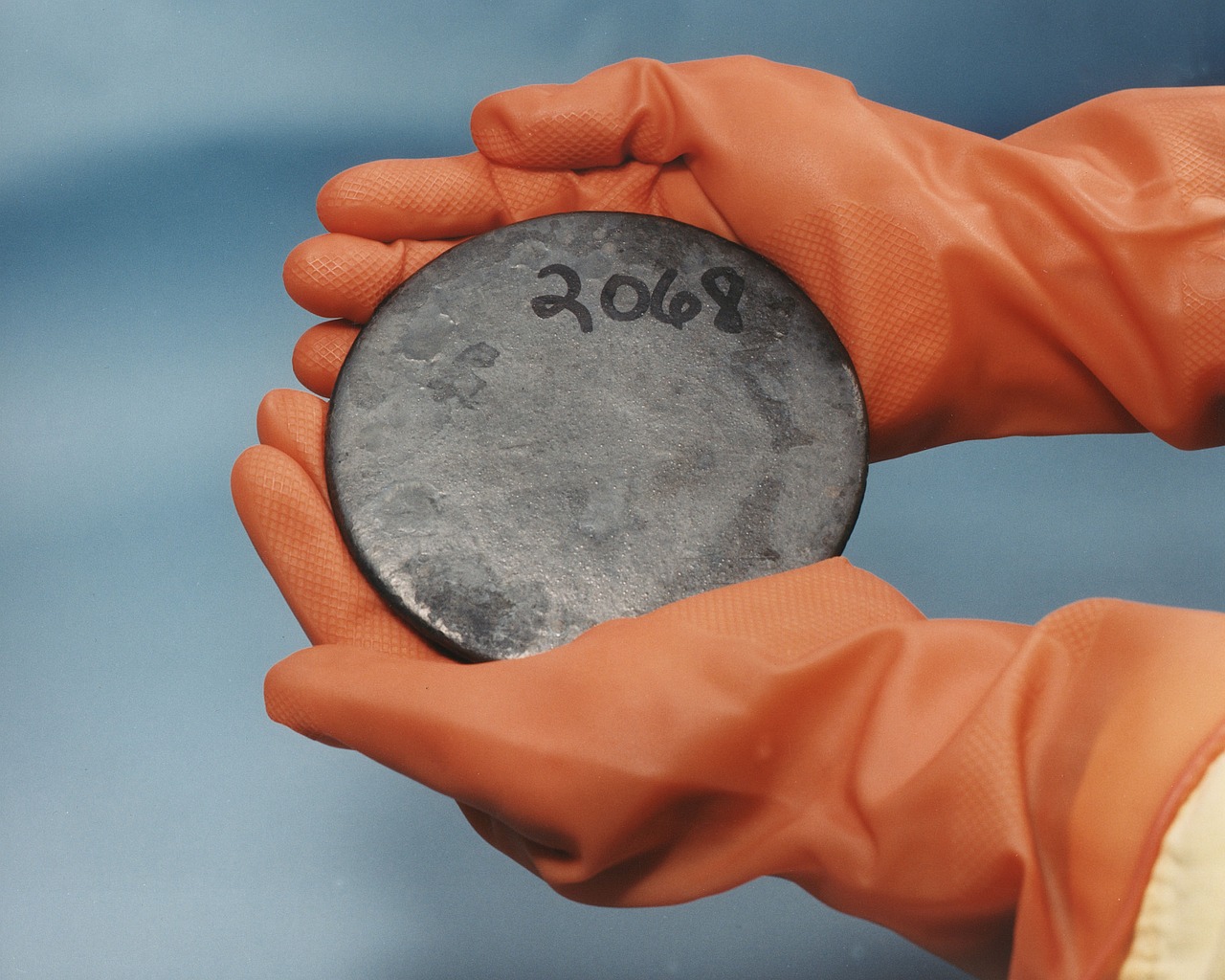
    Image by WikiImages from Pixabay

  • The Fascinating World of Rare Earths: 8 Abundant but Elusive Elements

    The Fascinating World of Rare Earths: 8 Abundant but Elusive Elements

    Rare earth elements have always lived up to their name – rare. However, within this classification, there are eight rare earths that are relatively abundant in the Earth’s crust, making them more accessible for mining than some of their counterparts. In this blog post, we’ll explore these fascinating elements, their properties, and why they are considered rare despite their abundance.

    Rare Earths

    Cerium (Ce)

    Cerium is the most abundant rare earth element, and it is more common in the Earth’s crust than copper or lead. Despite this abundance, cerium is still considered “rare” due to its dispersion and difficulty in extracting it in concentrated forms. It is essential for a variety of applications, from catalysts in automotive exhaust systems to glass polishing.

    Lanthanum (La)

    Lanthanum is the second most abundant rare earth element and is often found alongside cerium. It has various industrial applications, including in the production of rechargeable batteries, camera lenses, and even in petroleum refining. Lanthanum is abundant but challenging to extract in high concentrations.

    Neodymium (Nd)

    Neodymium is widely known for its use in powerful magnets, such as those found in headphones and electric vehicle motors. While it is more accessible than some other rare earths, mining and processing neodymium still pose significant challenges due to its low natural concentrations.

    Praseodymium (Pr)

    Praseodymium is another abundant rare earth element, frequently found alongside neodymium. It is crucial for high-strength alloys and magnetic materials, yet it remains “rare” due to the challenges associated with extracting and refining it.

    Samarium (Sm)

    Samarium is used in specialized magnets, nuclear reactors, and even in the treatment of certain cancers. While not as rare as some of its counterparts, samarium still requires careful extraction and refining processes.

    Europium (Eu)

    Europium is essential in the manufacturing of color television screens and energy-efficient lighting. Despite being more abundant than some other rare earths, its specialized applications make it relatively rare in minable concentrations.

    Gadolinium (Gd)

    Gadolinium is a critical component in the development of magnetic resonance imaging (MRI) contrast agents. It is relatively abundant, but its importance in the medical field keeps it in demand, making it valuable.

    Terbium (Tb)

    Terbium is used in the production of color phosphors for televisions and computer screens, as well as in certain types of energy-efficient lighting. Although more abundant than some rare earths, it remains challenging to mine and refine.

    Why Are These Elements Rare?

    The rarity of these abundant rare earth elements lies in their distribution and the difficulty in extracting them in concentrated forms. Unlike more common elements like iron or aluminum, rare earths are dispersed throughout the Earth’s crust and are often found mixed with other minerals, making extraction complex and costly.

    Furthermore, the environmental impact of rare earth mining and processing has led to stricter regulations, making it essential for mining companies to employ sustainable and responsible practices.

    Conclusion

    While these eight rare earth elements may be relatively abundant in the Earth’s crust compared to their scarcer counterparts, their rarity lies in the challenges associated with mining, refining, and processing them. The demand for these elements continues to grow in various industries, from electronics to healthcare, highlighting the importance of responsible mining practices and the need for ongoing research into alternative sources and recycling methods. As we look to the future, understanding and managing these rare resources will be crucial for sustaining our modern way of life.

    Stones Image by Sara from Pixabay

  • Landing the Big One

    Landing the Big One

    Navigating a Top 10 Commodity Trade Deal

    Welcome to our first blog post at the new CommodityTrader.com! Today, we’re diving into the exhilarating world of high-stakes commodity trading. We’ll walk through the process of landing a significant commodity trade deal – specifically, a large monthly contract spanning 12 months. Let’s explore the steps, strategies, and real-life examples that illuminate the path to closing such a significant agreement.

    Understanding the Scope

    Before anything else, it’s crucial to understand the magnitude of a top 10 commodity trade deal. We’re talking about commodities like crude oil, gold, soybeans, or copper – assets that form the backbone of global trade. Securing a 12-month contract not only requires astute market knowledge but also a deep understanding of global economic trends.

    Step 1: Market Research and Analysis

    The first step is exhaustive market research. For instance, if you’re dealing with crude oil, understanding OPEC’s policies, production levels, and global demand forecasts is vital. Historical data analysis can reveal patterns and trends, aiding in accurate forecasting.

    Example:

    In 2021, a major trading firm anticipated a rise in copper prices due to increasing demand in the renewable energy sector. Their early positioning allowed them to secure favourable terms in a year-long contract.

    Step 2: Building Relationships and Networking

    Commodity trading thrives on relationships. Networking with producers, consumers, and intermediaries opens up opportunities and provides insights into market sentiments.

    Example:

    A U.S.-based trader expanded their network in the Brazilian soybean market. This connection proved invaluable in understanding local production issues, leading to a lucrative soybean export deal.

    Step 3: Risk Assessment and Management

    Every major deal carries risk. Understanding and managing these risks, like price volatility or geopolitical issues, is crucial. Tools like futures contracts and options can hedge against unforeseen market fluctuations.

    Example:

    In a large gold trading deal, the trader used futures contracts to hedge against market volatility, ensuring stable prices throughout the contract duration.

    Step 4: Negotiation and Deal Structuring

    Negotiation is where the deal takes shape. It’s about finding a win-win situation. Deal structuring might involve complex terms like pricing models, delivery schedules, and payment terms.

    Example:

    In a major LNG deal, the trader negotiated a pricing model linked to a basket of crude oil indices, ensuring a fair pricing mechanism for both parties.

    Step 5: Legal and Compliance

    Ensuring the deal complies with international trade laws and regulations is non-negotiable. This step often involves legal teams and can include drafting contracts, getting approvals, and ensuring ethical sourcing.

    Example:

    A major iron ore deal between Australia and China required thorough compliance with both countries’ export and import regulations.

    Step 6: Execution and Relationship Management

    After closing the deal, the focus shifts to execution. This involves logistics, quality control, and maintaining a good relationship with the counterparty.

    Example:

    A multi-million dollar wheat deal with a Middle Eastern country required meticulous logistical planning to ensure timely monthly deliveries.

    Conclusion

    Landing a significant commodity trade deal involves a blend of market intelligence, relationship management, strategic negotiation, and rigorous compliance. It’s a challenging yet rewarding endeavour that can significantly impact both the trader’s and the client’s bottom line. In the dynamic world of commodity trading, staying informed, adaptable, and connected is key to success.

    At CommodityTrader.com, we provide the tools, insights, and support to help you navigate these complex waters. Whether you’re eyeing your first big deal or looking to expand your portfolio, we’re here to guide you every step of the way.