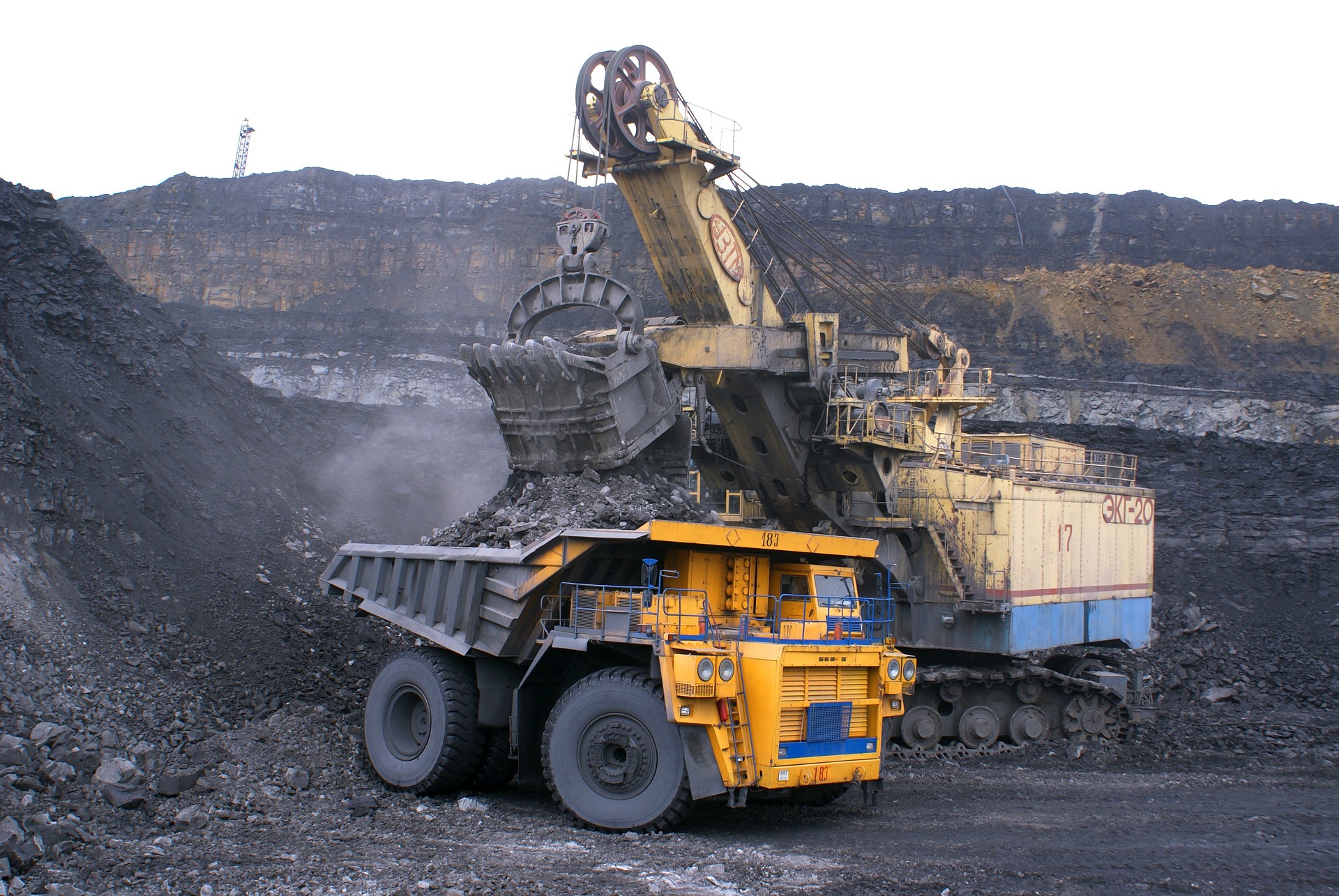
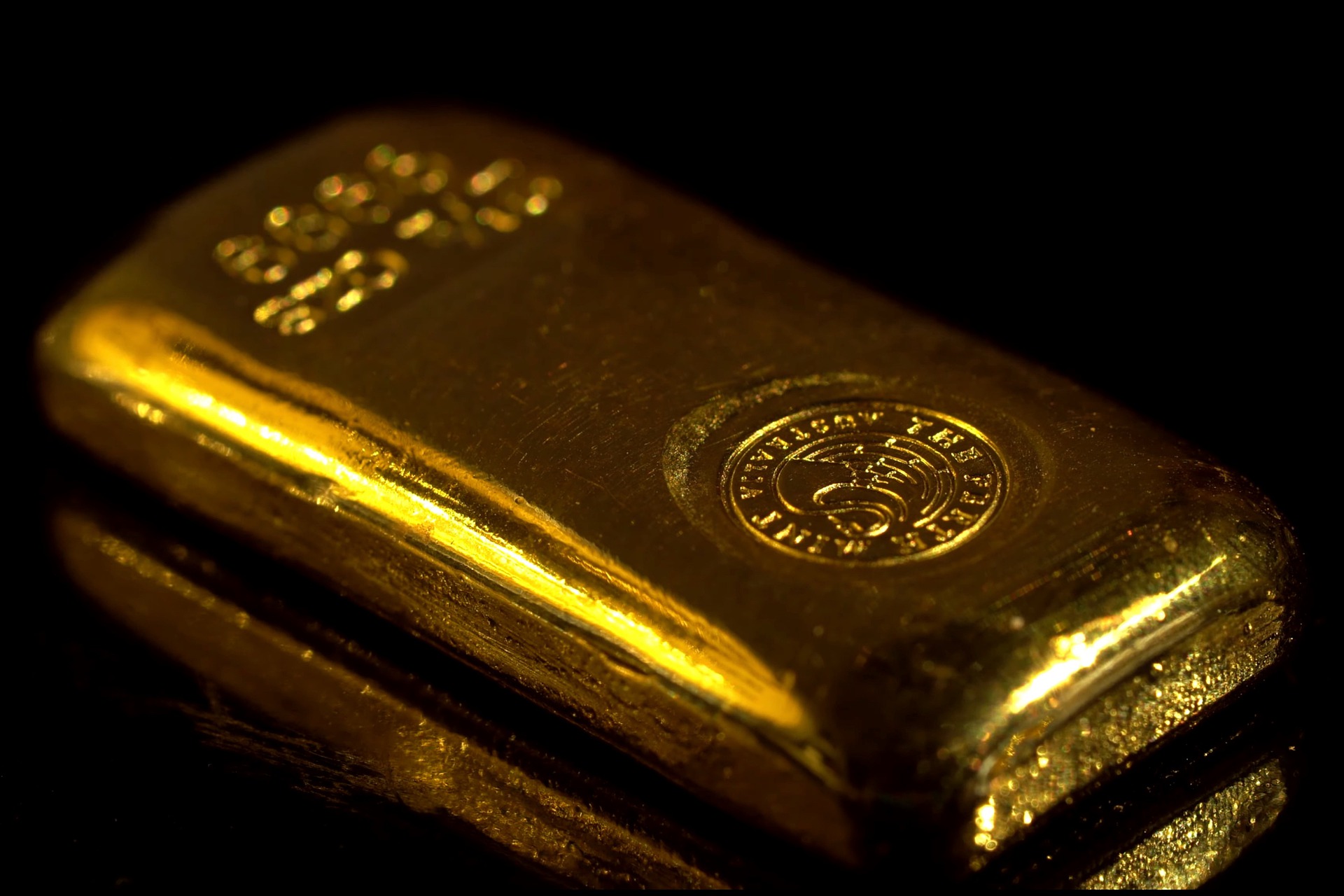
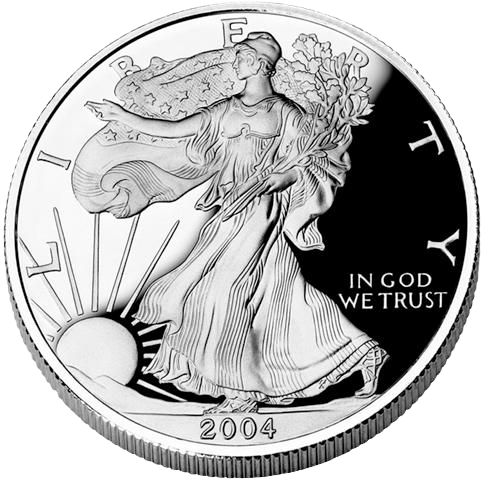
This vital category encompasses precious metals like gold, silver, platinum, and palladium, often used as investment assets or for industrial purposes. Base metals such as copper, aluminum, and zinc, crucial in various industrial applications, also fall under this category. These metals are widely traded due to their economic significance and market volatility.
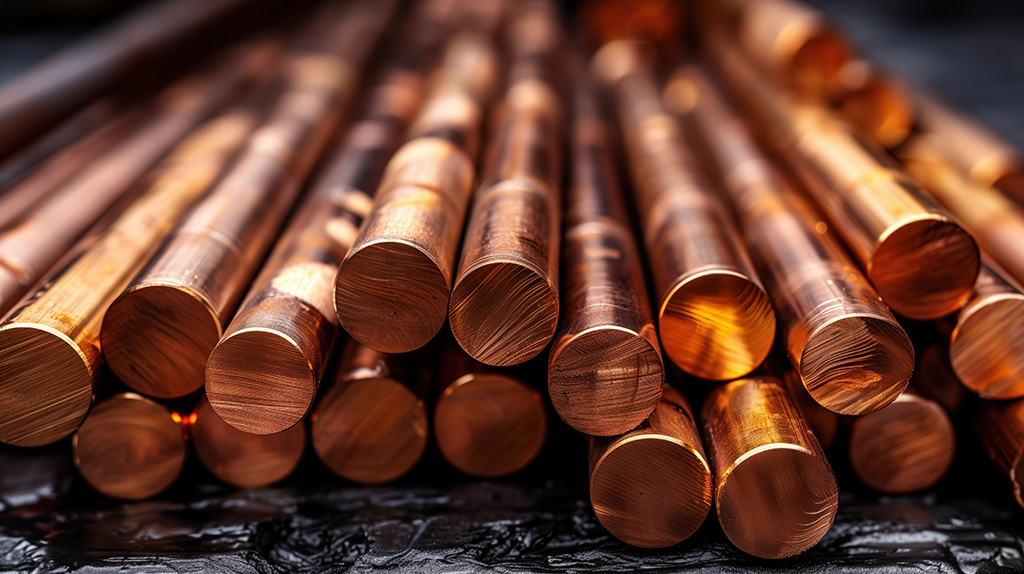
Commodity Trader is pleased to announce that we have high-quality copper rods, also known as copper stranding conductors, available for sale. These copper rods are ideal for various industrial applications, including electrical wiring, grounding, and cable manufacturing. With excellent conductivity and durability, our copper rods meet the highest industry standards, ensuring reliability for your projects. Whether you are looking to purchase in bulk or smaller quantities, we are ready to meet your needs. Contact us today to learn more!
Technical Specification
As of August 2024, copper prices are currently trading at around $4.65 per pound, or approximately $9,385 per metric ton. Prices have seen a slight decrease from the previous month but remain significantly higher compared to last year, reflecting the ongoing demand and supply dynamics in the global market. The fluctuations in copper prices are influenced by various factors, including global economic conditions, demand from industries like construction and electronics, and geopolitical events.
For those in the market for copper products, this pricing information is crucial for planning purchases and investments.
The Democratic Republic of Congo: A Mineral Powerhouse
The Democratic Republic of Congo (DRC) stands as a colossus in the global commodity markets, particularly for copper and cobalt. These two metals are essential components in the burgeoning sectors of renewable energy, electronics, and electric vehicles, making them highly sought after on the international stage. This blog post explores the dynamics of copper and cobalt trading from the DRC, offering insights into the challenges, opportunities, and future prospects for commodity traders.
Copper and Cobalt: The Heartbeat of Modern Technology
Copper is known for its excellent electrical conductivity and is a staple in electrical wiring, construction, and various industrial machinery. On the other hand, cobalt, often found as a by-product of copper or nickel mining, is crucial in battery production, particularly lithium-ion batteries, which power everything from smartphones to electric cars.
The DRC’s vast geological wealth places it at the forefront of copper and cobalt production. The country is not only Africa’s largest copper producer but also the world’s largest cobalt producer, contributing significantly to the global supply.
Market Dynamics and Challenges
While the DRC’s mineral wealth presents significant opportunities, there are notable challenges:
Political Instability and Regulatory Issues: The DRC’s political landscape has been marked by instability and governance issues, affecting the reliability and predictability of mining operations.
Infrastructure and Logistical Constraints: Inadequate infrastructure can hamper mining activities and increase operational costs, affecting the overall efficiency of copper and cobalt supply chains.
Environmental and Ethical Concerns: Mining activities, especially in cobalt extraction, have been linked to environmental degradation and labor issues, including child labor. These ethical concerns have prompted calls for more responsible sourcing practices.
Market Volatility: Prices for copper and cobalt can be highly volatile, influenced by changes in demand, geopolitical tensions, and developments in the renewable energy and technology sectors.
Opportunities for Commodity Traders
Despite these challenges, the global demand for copper and cobalt provides lucrative opportunities for commodity traders:
Rising Demand in Green Technologies: The global push towards renewable energy and electric vehicles is expected to drive sustained demand for both copper and cobalt.
Strategic Investments and Partnerships: Investing in mining operations or forming strategic partnerships in the DRC can provide direct access to copper and cobalt supplies, though it comes with its set of risks and requires due diligence.
Diversification: For traders looking to diversify their portfolios, copper and cobalt offer avenues for expansion, given their critical role in future technologies.
The Road Ahead
The future of the copper and cobalt markets in the DRC is intrinsically linked to global trends in technology and energy. As the world continues to embrace renewable energy and electric mobility, the demand for these metals is expected to rise. However, addressing the ethical, environmental, and logistical challenges will be crucial in ensuring a sustainable and equitable supply chain.
For commodity traders, navigating the complexities of the DRC’s copper and cobalt sectors requires a nuanced understanding of the market dynamics, regulatory landscape, and geopolitical factors. Staying informed and adopting responsible trading practices can help leverage the opportunities while mitigating the inherent risks.
Conclusion
The DRC’s copper and cobalt resources are central to the global transition towards a more sustainable and technologically advanced future. For commodity traders, these resources offer significant potential but also come with a responsibility to advocate for and practice ethical trading and investment. As the market continues to evolve, those who can navigate the DRC’s challenging yet rewarding landscape will likely find themselves at the forefront of the commodity trading world.
Commodity Trader invites you to explore a unique opportunity with Cominca Resources Limited. Revolutionize your portfolio, support sustainable development, and be at the forefront of the electrification era. Contact us at jmameni@cominca-resources.ca for more information and to start your investment journey in the heart of the DRC.
In the dynamic world of commodity trading, we are excited to announce an opportunity for buyers interested in ultra fine copper powder. This specialized form of copper powder, known for its exceptionally small particle size, high purity, and low agglomeration tendency, is carving out a significant niche in various industrial applications. This blog post explores the market potential, applications, and growth prospects of ultra fine copper powder, inviting interested parties to capitalize on this burgeoning market.
The Rising Star in High-Performance Materials: UltraFine Copper Powder
Ultra fine copper powder is distinguished by its micro-scale particle size, offering unique properties that make it highly sought after in several cutting-edge industries. Its primary uses include:
Electrically Conductive Filler: In coating compositions, pastes, and resins, ultra fine copper powder enhances electrical conductivity, crucial for the electronics industry.
Antibacterial Additive: Leveraging its antimicrobial properties, this powder is used in various medical and health-related applications.
Powder Metallurgy: As a starting powder, it’s pivotal in manufacturing high-precision and complex metal parts.
Market Overview: A Sector Poised for Growth
The global market for ultra fine copper powder is experiencing robust growth. With an estimated market size of US$ 400.3 million in 2022, it is forecasted to reach US$ 567.8 million by 2028, growing at a CAGR of 6.0% during the review period. This growth trajectory is propelled by:
Rising Demand in Key Industries: The surge in demand for high-performance materials across electronics, aerospace, automotive, and medical industries is a major growth driver.
Adoption of Nanotechnology: Innovations in nanotechnology are opening new applications for ultra fine copper powder, further fueling market expansion.
Global Trade Dynamics
The trade of ultra fine copper powder reflects a global network of producers and consumers:
Leading Exporters: China, Japan, Germany, and the United States are at the forefront of supplying this high-demand product.
Major Importers: Countries like India, South Korea, Brazil, and Russia are key importers, utilizing the powder in various industrial applications.
Target Industries
Ultrafine copper powder has found essential applications in several industries, each contributing to its growing market demand:
Electronics: Used in conductive inks, coatings, and components.
Metallurgy: Crucial for producing complex metal components with high precision.
Chemical: As a catalyst and in various chemical processes.
Pharmaceutical: For its antibacterial properties in medical applications.
Opportunity for Buyers
We are actively seeking buyers who recognize the potential of ultrafine copper powder and are looking to leverage its diverse applications. This presents a lucrative opportunity, especially for players in the electronics, metallurgy, chemical, and pharmaceutical industries, to diversify their material sources and tap into a growing market.
Conclusion: A Market Ripe for Investment
The copper powder market represents a significant opportunity for commodity traders and industry stakeholders. With its diverse applications, growing demand, and strong market forecasts, it offers a promising avenue for investment and expansion. We invite interested buyers to explore this opportunity and join us in driving forward the next wave of industrial innovation and market growth.
The world of commodity trading continually presents diverse opportunities, and a recent offer in the gold trade sector from Ghana exemplifies this. This significant deal involves the trading of high-purity gold bars, providing a unique insight into the complexities and potential of the gold market. In this blog post, we delve into the key aspects of this offer and what it means for commodity traders.
Offer Overview: High-Purity Gold from Ghana
The offer in question involves the sale of gold bars with the following specifications:
Carat: 22+
Purity: Between 92% to 97%
Quantity: A total of 5000 kilograms (5 Metric Tons), with a monthly supply of 2500 kilograms
Pricing: Set at 15% below the daily London Bullion Market Association (LBMA) rate, providing an attractive discount for buyers
Origin: Ghana, renowned for its rich gold reserves
Refineries Involved: A.A. Refinery and Sewia Refinery, indicating the high-quality processing of the gold
Transaction Dynamics
The transaction structure is meticulously laid out to ensure transparency and security for both parties. Key elements include:
Contract Procedure: The process begins with the seller providing a draft contract, followed by review and approval by the buyer.
Physical Inspection: A vital step where the buyer inspects the gold at a security house in Ghana, followed by refinery testing to confirm quality.
Logistics and Payment: The buyer arranges transport (a private jet) and bears the cost of logistics and insurance. Payment terms are clear, with an initial 3.5% payment for export documentation, followed by full payment post-final assay at the buyer’s refinery.
Market Implications
This offer is not just a transaction but a window into the vibrant gold trade in Ghana. It underscores several key aspects:
Pricing Strategy: The pricing at 15% below LBMA rates is competitively attractive, potentially offering lucrative margins for buyers.
Quality Assurance: The emphasis on refinery testing and physical inspection highlights the importance of quality assurance in precious metal trading.
Logistical Considerations: The detailed logistics and payment procedures underscore the complexities involved in international gold trading.
Opportunities for Commodity Traders
For commodity traders, this offer represents an opportunity to engage in the gold market with a substantial volume and assured quality. It is a chance to capitalize on the competitive pricing and potentially expand into the African gold market, known for its rich reserves and growing global influence.
Conclusion: A Golden Opportunity with Considerations
This offer from Ghana is a prime example of the opportunities and complexities inherent in the gold trading market. For traders looking to venture into or expand their presence in this sector, deals like this provide a template for what to expect and how to navigate the nuances of international gold trading. With meticulous planning, thorough due diligence, and an understanding of market dynamics, commodity traders can successfully engage in these lucrative opportunities.
Welcome to the latest blog post on CommodityTrader.com, where we delve into the fascinating world of silver trading. Silver, a precious metal known for its lustrous shine and myriad of industrial applications, is a key player in the global commodities market. Today, we explore the top five silver exporters, their major importing partners, and the approximate dollar values involved in these trades.
1. Mexico – The Silver Powerhouse
Mexico is renowned as the world’s largest silver exporter. The country’s rich deposits and advanced mining industry make it a heavyweight in the silver market.
Major Importers: The United States and Canada are primary importers of Mexican silver, with significant quantities also going to various European and Asian countries.
Approximate Export Value: Mexico’s silver exports are valued at approximately $5 billion annually, reflecting its dominance in the global market.
2. Peru – Silver and History Intertwined
Peru’s history is deeply intertwined with silver mining, dating back to the colonial era. Today, it stands as one of the leading exporters of this precious metal.
Major Importers: China and India are major destinations for Peruvian silver, signifying the growing demand in Asian markets.
Approximate Export Value: Silver exports from Peru are estimated to be around $3 billion per year, showcasing its significant role in the global silver trade.
3. China – A Dual Role Player
China not only ranks as one of the top exporters of silver but also as one of the largest consumers. This dual role underscores China’s integral position in the silver market.
Major Importers: Hong Kong and the United States are key importers of Chinese silver, aligning with broader trade patterns.
Approximate Export Value: China’s silver exports are valued at approximately $2 billion annually, a figure that reflects its balanced role as both a major producer and consumer.
4. Poland – Europe’s Silver Contributor
Poland contributes significantly to the European silver market, with its advanced mining technology and rich deposits.
Major Importers: Germany and the United Kingdom are leading importers of Polish silver, indicating strong intra-European trade relations.
Approximate Export Value: Polish silver exports stand at around $1.5 billion per year, marking its prominence in the European market.
5. Chile – The Rising Competitor
Chile, traditionally known for its copper production, has been steadily increasing its presence in the silver export market.
Major Importers: Brazil and Argentina are notable importers of Chilean silver, reflecting South America’s dynamic commodity trade.
Approximate Export Value: Chile’s annual silver exports are estimated at $1 billion, highlighting its growing influence in the global silver market.
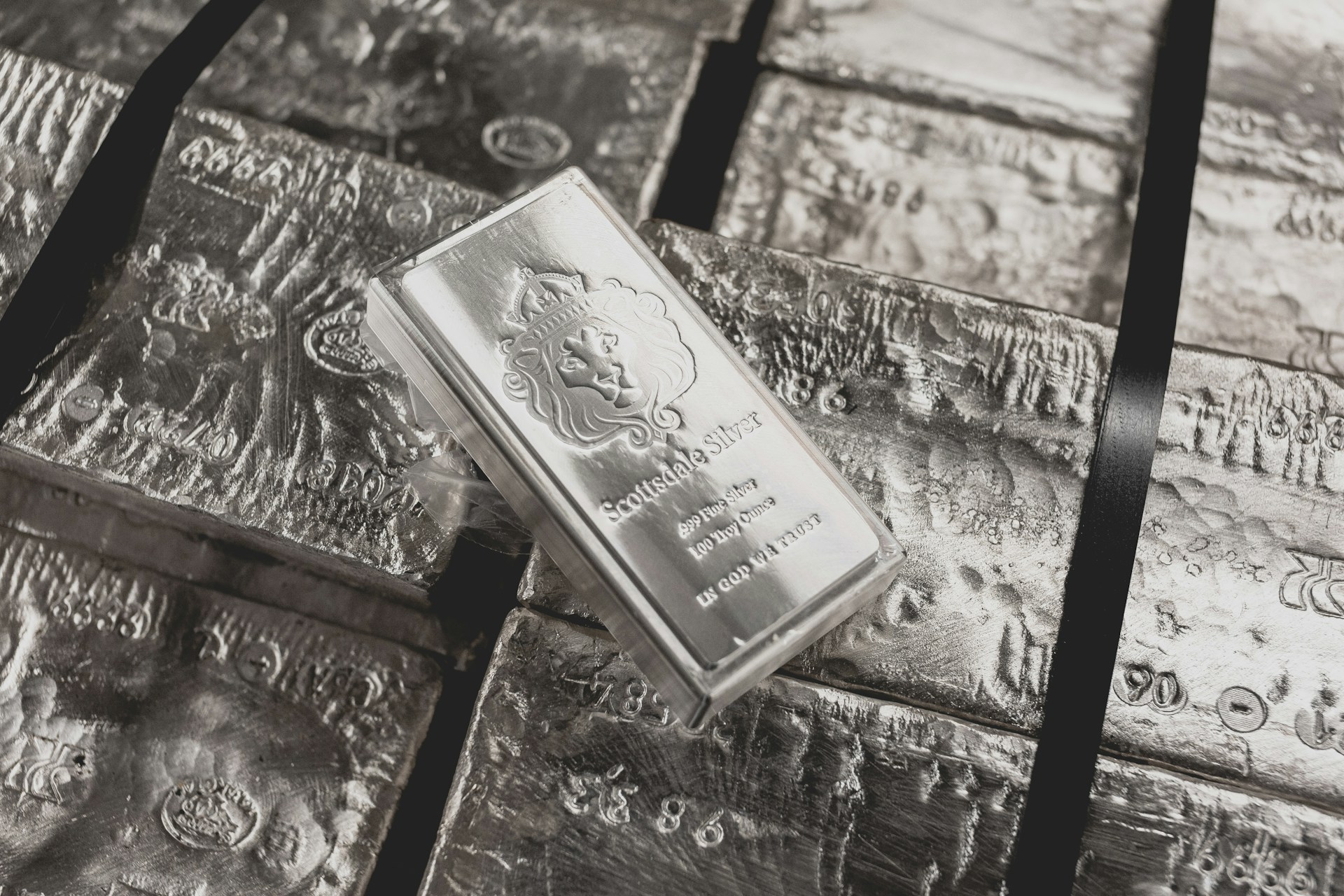
World production of silver
Silver Exporters Conclusion:
The global silver market is a dynamic and vital component of the world’s commodity trade. The intricate balance of export and import among these top players not only reflects the economic prowess of these countries but also the ever-evolving demand and supply chains in the precious metals market.
Stay tuned to CommodityTrader.com for more insights into the world of commodity trading, where we bring you the latest trends, analysis, and news from the heart of global trade.
Disclaimer: The figures mentioned are approximate and subject to change based on market conditions. Always conduct thorough research and consult with financial experts before making trading decisions.
Note: The blog post is intended to be informative and engaging, providing readers with a snapshot of the global silver market. The data provided should be verified for accuracy as market conditions can fluctuate.
Welcome to our latest blog post at CommodityTrader.com. Today, we’re excited to spotlight our access to one of the world’s most mineral-rich regions – South Africa. While globally renowned for its diamonds and gold, South Africa’s mineral wealth extends far beyond these precious commodities. We have privileged access to a diverse range of minerals, including iron ore, platinum, manganese, chromium, copper, uranium, silver, beryllium, and titanium. Let’s explore these riches and what they mean for our clients.
Beyond Diamonds and Gold: South Africa’s Mineral Wealth
South Africa’s geological canvas is a vibrant mosaic of mineral resources. Here’s a snapshot of the key minerals we have access to:
Iron Ore
The bedrock of the steel industry, iron ore is a staple in global construction and manufacturing.
Platinum
With uses ranging from jewelry to catalytic converters in vehicles, platinum’s versatility makes it highly sought after.
Manganese
Essential in steel production, manganese is a critical component in improving strength and durability.
Chromium
Known for its anti-corrosive properties, chromium is vital in stainless steel production and various metal finishes.
Copper
Integral to electrical wiring and electronics, copper’s demand is perpetually strong.
Uranium
As a key fuel for nuclear power, uranium’s significance is growing in the clean energy sector.
Silver, Beryllium, and Titanium
These metals have diverse applications, from jewelry and silverware to aerospace and medical devices.
An aerial view of the Two Rivers mine in Steelpoort, Limpopo, owned by both African Rainbow Minerals and Impala Platinum holdings limited.
Why South African Minerals?
Quality and Diversity
The quality and variety of South African minerals are unmatched. This diversity opens up a world of opportunities for different industries.
Stable Supply
Our strong partnerships and networks in South Africa ensure a consistent and reliable supply of minerals.
Ethical and Sustainable Practices
We are committed to responsible sourcing practices, ensuring that our minerals are extracted and processed ethically and sustainably.
Our Services
At CommodityTrader.com, we provide more than just access to these resources:
Expert Insights and Market Analysis
Our team offers deep insights into the market dynamics of these minerals, helping you make informed investment and trading decisions.
Customized Solutions
We understand that each client’s needs are unique. Our services are tailored to meet your specific requirements, whether in procurement, logistics, or risk management.
Global Reach, Local Expertise
Our global presence, combined with local knowledge and expertise, positions us uniquely to serve you better.
How You Can Benefit
For Investors and Manufacturers
Our access to South African minerals provides a strategic advantage in sourcing high-quality raw materials.
For Traders
The diversity of our mineral portfolio opens up numerous trading opportunities in both established and emerging markets.
For End Users
From technology to construction, our minerals play a crucial role in various supply chains, contributing to the growth and success of your business.
Conclusion
South Africa’s mineral wealth is a cornerstone of the global commodities market, and at CommodityTrader.com, we are thrilled to offer our clients access to these valuable resources. Whether you’re looking to invest in the robust gold and diamond markets or explore opportunities in industrial minerals like iron ore and platinum, we have the expertise and resources to guide your journey. Join us in tapping into the rich mineral treasures of South Africa and unlock the potential for substantial growth and success in your ventures.
Welcome back to our CommodityTrader.com blog. In recent times, we’ve witnessed a remarkable surge in metal prices across the globe. This phenomenon has far-reaching implications, not just for traders and investors, but also for various industries and consumers. In this post, we’ll explore the reasons behind this surge and its potential impacts.
Understanding the Surge
Metals, from precious ones like gold and silver to industrial metals like copper and aluminum, have seen significant price increases. Several factors contribute to this trend:
Economic Recovery Post-Pandemic:
As global economies recover from the COVID-19 pandemic, there’s been a renewed demand for metals. Industries ramping up production have increased demand, particularly for industrial metals.
Supply Chain Disruptions:
The pandemic caused significant disruptions in the mining and supply of metals. Even as demand rebounds, supply chains are still catching up, leading to tighter supplies and higher prices.
Inflationary Pressures:
In times of economic uncertainty and inflation, investors often turn to metals as a safe haven, particularly gold. This shift in investment strategy can drive up prices.
Green Energy Transition:
The global push towards renewable energy and electric vehicles has led to increased demand for certain metals like lithium, copper, and nickel, essential in green technologies.
The Ripple Effects
The surge in metal prices has several ripple effects across the economy:
Impact on Industries:
Industries reliant on metals, like construction, automotive, and electronics, face increased costs. This can lead to higher prices for consumers or reduced profit margins for companies.
Emerging Markets and Mining Companies:
Countries rich in metal resources and mining companies are experiencing a windfall. However, there’s also the risk of over-reliance on volatile commodity markets.
Investment Opportunities:
For investors and traders, the volatile metal market presents opportunities for significant gains, but it also comes with risks.
Future Outlook
Predicting the future of metal prices is challenging due to the multitude of influencing factors. However, several trends are worth watching:
Sustained Demand: With the ongoing push for green technologies and global economic recovery, demand for certain metals is likely to remain strong.
Supply Adjustments: As the world adapts to post-pandemic realities, supply chains will gradually stabilize, potentially easing price pressures.
Geopolitical Factors: Political stability in key metal-producing regions can significantly impact global metal supplies and prices.
Conclusion
The surge in metal prices is a complex phenomenon influenced by global economic trends, supply chain dynamics, and the shift towards sustainable technologies. While it presents opportunities, it also poses challenges for various stakeholders. At CommodityTrader.com, we’re committed to providing you with the insights and tools to navigate these volatile markets successfully. Stay informed, stay nimble, and as always, approach commodity trading with a balanced strategy.