
Category: Soft

This category includes commodities like cocoa, orange juice, and rubber, often grown in tropical climates. These commodities are primarily agricultural products that are neither grains nor animals, and their prices can be highly volatile, influenced by factors like weather patterns and global demand trends.

  • Cocoa Prices Reach Unprecedented Highs: Navigating the Surge Ahead of Valentine’s Day

    Cocoa Prices Reach Unprecedented Highs: Navigating the Surge Ahead of Valentine’s Day

    A Sweet Spike in Cocoa Costs

    As Valentine’s Day approaches, a time when chocolate demand typically soars, the cocoa market has experienced a dramatic surge, reaching an all-time high. On Friday, cocoa futures closed at an astonishing $5,888.00 per ton, surpassing the previous day’s record. This sharp increase, with prices more than doubling over the last year and climbing by about one-third in just the past month, has sent ripples through the commodity trading world and the global chocolate industry.

    Factors Behind the Price Surge

    The current spike in cocoa prices can be attributed to several critical factors:

    1. Worldwide Supply Shortages: A significant supply shortage has emerged as a leading driver of the price increase. With cocoa being a staple ingredient in chocolate production, any fluctuation in its supply directly impacts prices.
    2. Adverse Weather Conditions: Unfavorable weather patterns in key cocoa-producing regions, especially in West Africa, have severely impacted cocoa crops. West Africa, accounting for approximately two-thirds of the world’s cocoa production, has faced challenging conditions that have hindered crop yields.
    3. Tree Disease: Beyond weather adversities, diseases affecting cocoa trees have further exacerbated the supply constraints, contributing to the tightening of the global cocoa market.

    The Impact on Valentine’s Day Chocolate

    The timing of this price surge is particularly impactful, coming just ahead of Valentine’s Day, when chocolate consumption experiences a significant uptick. Chocolate manufacturers and retailers, already grappling with the challenge of maintaining supply amid growing demand, now face increased costs that could potentially be passed on to consumers.

    Implications for Commodity Traders and the Chocolate Industry

    For commodity traders, the volatile cocoa market presents both opportunities and challenges:

    • Opportunities for Strategic Trading: The current market conditions offer potential gains for traders who can navigate the volatility effectively. The ability to anticipate market movements and hedge appropriately can yield substantial returns.
    • Challenges in Price Forecasting: The unpredictability of supply shortages, weather conditions, and disease outbreaks makes it difficult to forecast future cocoa prices accurately. This uncertainty requires traders to be agile and well-informed to mitigate risks.
    • Impact on the Chocolate Industry: Chocolate manufacturers may need to explore strategies to absorb or offset the increased costs, such as adjusting product pricing, exploring alternative supply sources, or reformulating products.

    Strategies Moving Forward

    In response to these market dynamics, commodity traders and chocolate industry stakeholders might consider several strategies:

    1. Diversification of Supply Sources: Exploring cocoa supplies from regions less affected by adverse conditions could help mitigate supply risks.
    2. Innovative Financial Instruments: Utilizing financial instruments such as options and futures contracts can provide some price stability and risk management for traders and manufacturers.
    3. Sustainability and Disease Management: Investing in sustainable farming practices and disease-resistant cocoa tree varieties could help stabilize supply over the long term.

    Conclusion: A Market in Flux

    As the cocoa market navigates through this period of unprecedented prices, the implications ripple out to affect not just commodity traders but the entire chocolate industry and, ultimately, consumers. The situation underscores the complex interplay between agricultural production, global supply chains, and market demand. For those in the commodity trading sphere, staying informed and adaptable will be key to navigating the uncertain waters of the cocoa market in the days leading up to Valentine’s Day and beyond.

  • Navigating the Sweet Opportunities: Brazil’s Refined Sugar Market

    Navigating the Sweet Opportunities: Brazil’s Refined Sugar Market

    A Global Leader in Refined Sugar Trade

    In the global commodity market, granulated refined crystal white sugar, particularly the ICUMSA-45, ICUMSA-100, and ICUMSA-150 grades, stands out as a highly sought-after product. Our team, with its deep expertise in the Brazil sugar market and logistics, is poised to offer these premium sugar grades to the global market. This blog post explores the opportunities and advantages of trading in Brazilian refined sugar and how our services can facilitate smooth and efficient transactions.

    Understanding ICUMSA Grades

    ICUMSA (International Commission for Uniform Methods of Sugar Analysis) is a worldwide body that standardizes sugar quality specifications. The ICUMSA rating is a direct measure of the sugar’s purity and quality:

    • ICUMSA-45: Often referred to as the world’s highest quality sugar, it is the most refined form available. It’s known for its sparkling white color and purity.
    • ICUMSA-100 and ICUMSA-150: These grades represent slightly less refined sugar but still maintain high purity levels. They are suitable for a wide range of food applications.

    Brazil’s Sugar Market: A Powerhouse of Production

    Brazil is one of the world’s largest sugar producers, with a significant portion of its production exported globally. The country’s vast sugarcane plantations and efficient processing infrastructure enable it to produce sugar of exceptional quality and in large quantities.

    Our Expertise in Brazil Sugar Trade and Logistics

    Our sales and logistics teams are well-versed in the intricacies of the Brazilian sugar market and its global trade dynamics. We offer:

    • High-Quality Sugar Grades: Our refined white sugar meets the stringent ICUMSA specifications, ensuring top quality for our customers.
    • Competitive Shipping Costs: We have established networks and knowledge to offer compatible shipping costs to various destination ports, making our offerings economically attractive.
    • Fast and Reliable Service: Understanding the importance of timely delivery, we ensure that our service is both fast and reliable, catering to the urgent needs of our clients.

    Worldwide Shipments Tailored to Your Needs

    We cater to a global clientele, ensuring that our sugar products reach customers wherever they are. Our team handles all logistical aspects, from procurement to shipping, ensuring a seamless and hassle-free experience for our clients.

    The Advantage of Trading with Us

    • Quality Assurance: We ensure that all sugar products meet the highest quality standards.
    • Customized Solutions: We offer tailored solutions to meet specific client needs, including various packaging options like strong 50kg Polypropylene Bags.
    • Market Knowledge: Our deep understanding of the Brazilian sugar market and global trade trends provides clients with valuable insights.

    Conclusion: Sweetening the Deal in Global Sugar Trade

    In conclusion, the refined sugar market, especially Brazil’s ICUMSA-45, ICUMSA-100, and ICUMSA-150, presents lucrative opportunities for traders worldwide. Our expertise in the Brazilian sugar market and logistics positions us uniquely to facilitate efficient, cost-effective, and reliable sugar trade transactions. Whether you’re looking to import high-quality Brazilian sugar or seeking a reliable partner for navigating the complex sugar market, our team is equipped to meet and exceed your expectations.

    Photo by Alexander Grey on Unsplash

  • The Untapped Potential of Soft Commodities in West Africa

    The Untapped Potential of Soft Commodities in West Africa

    A Wealth of Agricultural Resources

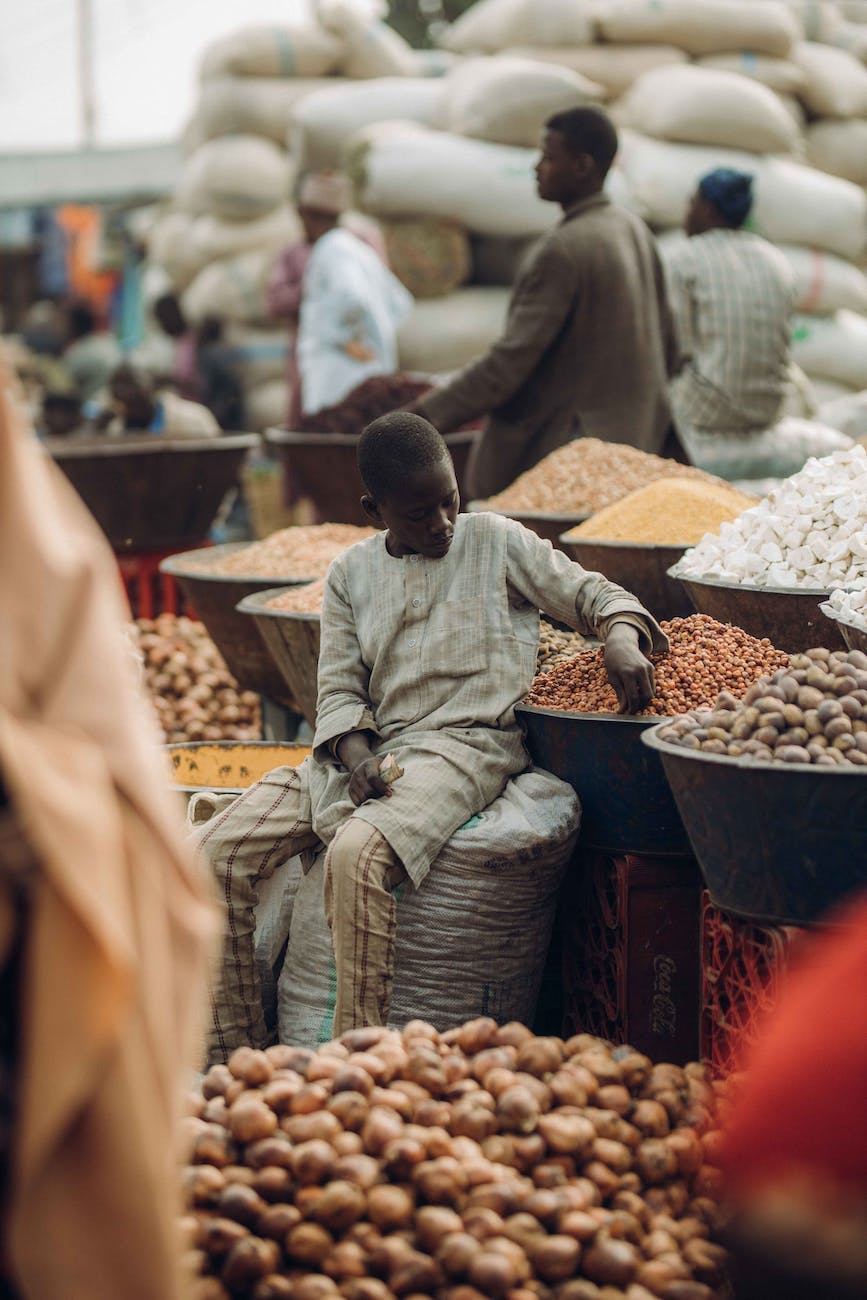
    West Africa, a region rich in agricultural diversity, stands as a significant player in the global market for soft commodities. This region is home to a wide array of agricultural products, including cocoa, cotton, cashew nuts, maize, cassava, rice, sorghum, millet, and palm oil. In this blog post, we delve into the potential and challenges of the soft commodity sector in West Africa, highlighting opportunities for investors and traders in the global commodity market.

    Key Commodities and Their Market Impact

    • Cocoa: West Africa is renowned for its cocoa production, with countries like Côte d’Ivoire and Ghana leading the way. This region is crucial to the global chocolate industry, providing a substantial portion of the world’s cocoa supply.
    • Cotton and Cashew Nuts: Besides cocoa, West Africa is also a significant producer of cotton and cashew nuts, commodities that play a vital role in the textile and food industries, respectively.
    • Staple Crops: Maize, cassava, rice, sorghum, and millet are essential for food security in the region. These crops have diverse uses and are staples in the local diet.
    • Palm Oil: This versatile oil is used in various applications, from cooking to cosmetics, making it a commodity with broad market appeal.

    Challenges and Opportunities

    While West Africa has immense potential in soft commodities, several challenges and opportunities shape this sector:

    • Production Deficit in Rice: Despite being a staple, there is a significant production deficit in rice, with the region heavily reliant on imports. This presents opportunities for increasing local production and reducing import dependency.
    • Agro-Industry Potential: Crops like maize and cassava offer potential for strengthening the agro-industry, given their multiple market applications and importance for food security.
    • Intraregional Trade: There’s untapped potential for intraregional trade in agricultural products, which could drive agricultural development and economic growth within the region.

    The Role of Soft Commodity Finance Facility (SCFF)

    The SCFF, an initiative to support soft commodity exports in Africa, plays a pivotal role in this sector. It offers pre-export financing to commodity aggregators, aiming to:

    • Reduce postharvest losses
    • Finance pre-harvest activities
    • Support exports, crucial for foreign exchange earnings and liquidity in the region

    Eligible institutions for SCFF must meet certain criteria, including being registered and operational in a Regional Member Country of the African Development Bank, demonstrating commercial viability, and maintaining strong risk management and corporate governance standards.

    Investment Potential in Soft Commodities

    For commodity traders and investors, West Africa’s soft commodity sector presents significant opportunities. Investing in this sector can not only yield financial returns but also contribute to the region’s economic development and food security.

    Conclusion: A Region Ripe for Growth

    West Africa’s soft commodity sector is a landscape of untapped potential, offering diverse opportunities for investment and trade. With the right strategies, investments, and support mechanisms like the SCFF, this sector can significantly contribute to regional and global markets. For commodity traders, staying informed about developments in this region is crucial for tapping into the opportunities presented by these valuable agricultural resources.

  • Breakfast Commodities: Trends, Correlations, and Future Outlook

    Breakfast Commodities: Trends, Correlations, and Future Outlook

    A Staple in Every Portfolio: Understanding Breakfast Commodities

    For commodity traders, breakfast commodities—such as coffee, orange juice, wheat (for bread and cereals), sugar, and cocoa (for chocolate spreads and hot cocoa)—present a unique market segment. This blog post delves into how these commodities correlate, their past performance, and projections for their future in the global market.

    The Interconnected World of Breakfast Commodities

    Breakfast commodities are often intertwined in their market dynamics due to several factors:

    Consumer Habits: Shifts in breakfast preferences can simultaneously affect multiple commodities. For example, a trend towards healthier breakfast options may boost demand for orange juice while decreasing demand for sugar.

    Geopolitical Factors: Many breakfast commodities are grown in geopolitically sensitive regions. Political instability in one of these areas can impact prices across the board.

    Weather and Climate Change: As agricultural products, these commodities are susceptible to weather patterns and climate change, which can affect yields and quality.

    Past Performance: A Rollercoaster of Market Dynamics

    Historically, breakfast commodities have shown a mix of volatility and stability:

    • Coffee: Often volatile due to factors like Brazilian weather conditions and varying demand trends.
    • Orange Juice: Prices have fluctuated significantly in response to weather events, especially hurricanes in Florida and droughts in Brazil.
    • Wheat and Sugar: These staples have experienced price fluctuations driven by global supply changes, policy reforms, and energy market dynamics (for sugar).
    • Cocoa: Prices have been influenced by conditions in West Africa, which produces a significant portion of the world’s cocoa.

    Future Projections: Trends to Watch

    Looking forward, several factors are likely to shape the future of breakfast commodities:

    Climate Change Impact: With changing climate patterns, agricultural yields and quality for these commodities could face significant impacts, influencing market dynamics.

    Health and Dietary Trends: Growing health consciousness among consumers may lead to increased demand for certain commodities, like whole grains and natural juices, while decreasing demand for others, like sugar.

    Technological Advancements: Innovations in agriculture and food processing could improve yields and reduce costs, potentially stabilizing prices.

    Global Economic Trends: Economic growth in emerging markets could lead to increased demand for these commodities, while economic downturns might have the opposite effect.

    Investment Considerations

    For commodity traders, investment in breakfast commodities requires a keen understanding of these dynamics. Diversification across different commodities, constant monitoring of global trends, and a proactive approach to managing risks are key strategies for navigating this sector.

    Conclusion: A Segment Full of Potential

    In conclusion, breakfast commodities represent a fascinating and dynamic segment of the global commodity market. Their interconnected nature, combined with the influence of various global factors, makes them both challenging and potentially rewarding for traders. Staying informed and agile in response to market changes will be crucial for those looking to capitalize on the opportunities these commodities present in the future.

    Image by Elenildo Ferreira Artpix Comunicação visual from Pixabay

  • British Columbia’s Forest Sector: A Pillar of Economic Strength and Innovation

    British Columbia’s Forest Sector: A Pillar of Economic Strength and Innovation

    A Robust Contributor to British Columbia’s Economy

    In the realm of commodity trading, the forest sector of British Columbia (B.C.) stands out as a remarkable example of economic resilience and innovation. In 2020, this sector not only employed about 43,000 people but also contributed significantly to the province’s economy, making up 29% of B.C.’s total commodity export value. This translates to an impressive $11.5 billion, highlighting the sector’s critical role in both the local and global markets.

    The Unique Qualities of British Columbia’s Softwood

    Central to this success is the unique nature of British Columbia’s softwood tree species. These trees are characterized by long, slender, thin-walled fibers, which are highly sought after for their exceptional properties. When processed, these fibers create pulp with excellent tensile strength, consistency, and sheet dimensional stability. These characteristics make B.C.’s softwood pulp ideal for a range of high-quality paper products.

    Diverse Range of Paper Products

    The province’s mills are adept at transforming this valuable resource into a variety of essential products. Here’s an approximate breakdown of the key paper products manufactured from B.C.’s softwood:

    Newsprint: B.C.’s mills produce a significant amount of newsprint, which remains in demand for newspapers and advertising materials. Despite digital media’s rise, newsprint from B.C. continues to be a vital export product.

    Specialty Papers: These include a variety of papers with specific properties for unique applications, like thermal papers, label papers, and others. B.C.’s mills are known for their ability to customize products to meet specific customer needs.

    Tissue and Towelling: Softwood pulp’s high strength and absorbency make it ideal for producing high-quality tissue papers and towelling products. These everyday essentials form a substantial part of the forest sector’s output.

    Containerboard and Paperboard: These materials are essential for packaging and shipping, with uses ranging from cardboard boxes to protective packaging. The strength and durability provided by B.C.’s softwood fibers make these products particularly reliable.

    Economic Impact and Sustainability

    The forest sector’s contribution to B.C.’s economy extends beyond direct exports. It plays a vital role in supporting ancillary industries, from transportation and logistics to research and development. Moreover, there is a growing emphasis on sustainable and environmentally friendly practices within the sector, ensuring that this natural resource continues to support future generations.

    Conclusion: A Testament to Natural Resources and Innovation

    In conclusion, British Columbia’s forest sector is not just a major contributor to the province’s economy; it’s a testament to how natural resources, when managed innovatively and sustainably, can create diverse and high-value products that resonate in global markets. For commodity traders, B.C.’s forest sector represents a source of high-quality, sustainable products with a stable and growing market presence. As we look to the future, the sector’s commitment to sustainability and innovation positions it well to continue its role as a key player in the global commodity market.

  • Orange Juice, Cocoa, Coffee: The Surging Stars of the Commodity Market

    Orange Juice, Cocoa, Coffee: The Surging Stars of the Commodity Market

    The Unexpected Rise in the Face of Global Declines

    In a year marked by economic uncertainties and fluctuating markets, three commodities have emerged as the unexpected stars: orange juice, cocoa, and coffee. These products have not only defied the broader trend of the commodity market but have also shown remarkable resilience and growth.

    Orange Juice: Squeezing Out 100% Gains

    The story of orange juice futures is nothing short of extraordinary. As of November 22, these futures topped an astonishing 100% gain for the year. This surge is primarily due to the supply shortages in Florida, the nation’s top citrus-producing state. Florida has been grappling with a dual challenge: combating a severe disease affecting its orange groves and recovering from devastating storms. These factors have squeezed the supply chain, leading to a dramatic increase in prices.

    Cocoa: Bitter-Sweet Rise of 79%

    Cocoa futures, too, have seen a significant uptick, closing at the end of November with a 79% increase. This sharp rise can be attributed to the adverse weather conditions induced by El Niño, which severely impacted the harvests in Ivory Coast and Ghana. As some of the world’s largest cocoa producers, any disruption in their output has a ripple effect on global cocoa prices, turning the usually bittersweet commodity into a hot asset in the market.

    Coffee: Brewing Up a Storm

    Coffee futures have also joined this elite group of surging commodities. While specific figures for coffee aren’t mentioned, it’s evident from the market trends that coffee has experienced a notable increase, aligning with the trajectory of orange juice and cocoa. Factors contributing to this rise could include climate-related challenges in major coffee-producing regions and shifting global demand patterns.

    Contrast with the Broader Market and the UN’s Global Food Index

    What makes these increases even more striking is the contrast with the broader commodity market and the United Nations’ global food index, both of which have witnessed declines over the same period. This divergence highlights the unique factors influencing the orange juice, cocoa, and coffee markets, which range from environmental challenges to supply chain disruptions.

    The Outlook

    As we move forward, the outlook for these commodities remains a topic of keen interest for traders and consumers alike. The ongoing challenges in the producing regions suggest that these commodities might continue to experience volatility and potentially high prices. However, as with any market, the dynamics are complex, and various factors could influence future trends.

    In conclusion, while the broader commodity market faces its set of challenges, orange juice, cocoa, and coffee have brewed up a storm, emerging as the standout performers in a volatile economic landscape. As we keep an eye on these markets, their journey offers valuable insights into the intricate interplay of global supply, demand, and environmental factors shaping the world of commodities.

    Commodity Market Image by Myriams-Fotos from Pixabay

  • Decoding the Global Cocoa Market: Top Exporters and Market Trends

    Decoding the Global Cocoa Market: Top Exporters and Market Trends

    Welcome to the latest post on CommodityTrader.com! Today, we delve into the rich and flavorful world of cocoa beans. Cocoa, the essential ingredient in chocolate, is a commodity that holds a special place in both the culinary and commodities markets. In this post, we’ll explore the top exporters of cocoa beans, both whole and broken, raw or roasted, and examine the current market trends and statistics that shape this delectable market.

    The Top Exporters of Cocoa Beans

    The global cocoa market is dominated by a few key players, with the majority of production coming from West Africa.

    1. Côte d’Ivoire (Ivory Coast)

    • Market Share and Statistics: Côte d’Ivoire stands as the world’s largest cocoa producer and exporter, contributing about 40% of the world’s supply. The country exported approximately 2.2 million metric tons of cocoa beans in the recent crop year.
    • Market Characteristics: The Ivorian cocoa industry is known for its large-scale farming operations and significant government involvement.

    2. Ghana

    • Market Share and Statistics: Following closely, Ghana is the second-largest exporter of cocoa, accounting for about 20% of the global cocoa supply. Its exports totaled around 1 million metric tons in the recent crop year.
    • Market Characteristics: Ghana’s cocoa is renowned for its high quality. The Ghanaian government plays an active role in the cocoa industry, setting prices and policies.

    3. Ecuador

    • Market Share and Statistics: As the largest exporter in Latin America, Ecuador is known for its fine flavor and aroma beans. It contributes around 7% of the world’s cocoa production.
    • Market Characteristics: Ecuador’s cocoa industry is characterized by smaller-scale farms and a focus on premium varieties.

    4. Nigeria

    • Market Share and Statistics: Nigeria is also a significant player, contributing about 5% to the global cocoa output.
    • Market Characteristics: The Nigerian cocoa sector is marked by both smallholder farms and larger commercial operations.

    Global Market Trends

    Growing Demand for Quality and Sustainable Products

    • There’s an increasing demand for high-quality, ethically sourced cocoa beans. Consumers are more aware of the origins of their chocolate and the conditions under which the cocoa was produced.

    Price Volatility

    • Cocoa prices are subject to volatility, influenced by factors like weather conditions in key growing regions, political instability, and global demand shifts.

    Technological Advancements

    • Innovations in agriculture and processing are transforming the cocoa industry, improving yield and quality.

    The Impact of COVID-19

    • The pandemic has affected the global commodity market in various ways, from disrupting supply chains to impacting consumer demand patterns.

    The Future Outlook

    • Sustainability Focus: There’s a growing emphasis on sustainable and responsible cocoa farming practices.
    • Market Diversification: Newer markets, like Asia, are emerging as significant consumers of cocoa.
    • Health-Conscious Trends: The health benefits of dark chocolate are likely to continue driving the demand for high-quality cocoa.

    Conclusion

    The global cocoa market is as complex as it is fascinating. For traders and investors, understanding the nuances of this market – from the top exporters to the evolving consumer trends – is crucial. At CommodityTrader.com, we provide the insights and analysis you need to navigate this sweet yet sophisticated market. Whether you’re a seasoned trader or new to the world of cocoa, we’re here to help you make the most of these delicious opportunities!

    Chocolate Cocoa Photo by Tetiana Bykovets on Unsplash