
Tag: Carbon Emissions Credits

  • The Financial Horizon of Solar Energy: Trading Renewable Energy Certificates and Carbon Credits

    The Financial Horizon of Solar Energy: Trading Renewable Energy Certificates and Carbon Credits

    Catalyzing a Green Economy Through Solar Farms

    The transition towards renewable energy has not only been a leap towards sustainability but also a lucrative financial opportunity for commodity traders. Among the myriad of options, Renewable Energy Certificates (RECs) and carbon emissions credits derived from solar farms stand out. These instruments serve as a testament to the solar industry’s burgeoning role in the green economy. This blog post delves into the financial dynamics of trading RECs and carbon emissions credits from solar farms, shedding light on past trades, future market potential, and the platforms facilitating these transactions.

    Understanding the Financial Mechanics

    1. Renewable Energy Certificates (RECs): RECs represent the environmental benefits of generating one megawatt-hour (MWh) of electricity from a renewable energy source, such as solar power. They are traded to meet renewable portfolio standards or corporate sustainability goals. The price of RECs can vary significantly based on supply and demand dynamics, regulatory frameworks, and the geographic origin of the solar energy.
    2. Carbon Emissions Credits: These credits are generated by projects that reduce greenhouse gas emissions, with solar farms playing a pivotal role by offsetting traditional carbon-emitting energy sources. The value of carbon credits is influenced by regulatory mandates, voluntary corporate commitments to carbon neutrality, and the specifics of cap-and-trade systems in various jurisdictions.

    Past Trades and Market Performance

    The market for RECs and carbon credits has seen considerable growth over the past few years. For instance, in specific regions of the United States, the price of solar RECs has fluctuated between $300 to $500 per MWh, subject to state-specific renewable energy goals and supply constraints. On the carbon market side, prices have been equally dynamic, with the European Union Emissions Trading System (EU ETS) seeing carbon prices reaching upwards of €50 per metric ton of CO2 in recent trading sessions.

    Future Market Potential

    The future market potential for both RECs and carbon emissions credits from solar farms is substantial. With global commitments to net-zero emissions by 2050, the demand for these financial instruments is expected to surge. Analysts project a significant expansion in the carbon market, potentially reaching $100 billion in the next decade. Similarly, the REC market is anticipated to grow in correlation with the increase in renewable energy production, particularly solar, which is projected to expand by over 10% annually.

    Key Exchanges and Trading Platforms

    Several exchanges and platforms facilitate the trading of RECs and carbon emissions credits:

    • North American Renewables Registry (NAR) and Green-e: These platforms offer certification and tracking for RECs in North America, providing transparency and verification for trades.
    • European Energy Exchange (EEX) and Intercontinental Exchange (ICE): These exchanges host trading for EU ETS carbon credits, among other environmental products.
    • Voluntary Carbon Markets: Platforms like Verra and the Gold Standard cater to voluntary carbon credit trading, where companies and individuals purchase credits to offset their carbon footprint voluntarily.

    Market Statistics and Investment Considerations

    With the solar REC market experiencing fluctuating prices based on regional demand and solar generation capacity, and the carbon credit market expanding in response to global climate commitments, investors and traders must stay informed about regulatory changes, technological advancements, and market trends. The volatility and regional variation in REC and carbon credit prices underscore the importance of strategic market analysis and risk management in trading activities.

    Conclusion: A Bright Future for Solar Financial Instruments

    For commodity traders, RECs and carbon emissions credits from solar farms offer a promising avenue for investment, combining financial incentives with environmental impact. As the world leans more towards renewable energy sources, the market for these green commodities is set to expand, offering lucrative opportunities for those positioned to capitalize on this growth. Understanding the intricate dynamics of these markets will be key to navigating the future of renewable energy trading successfully.

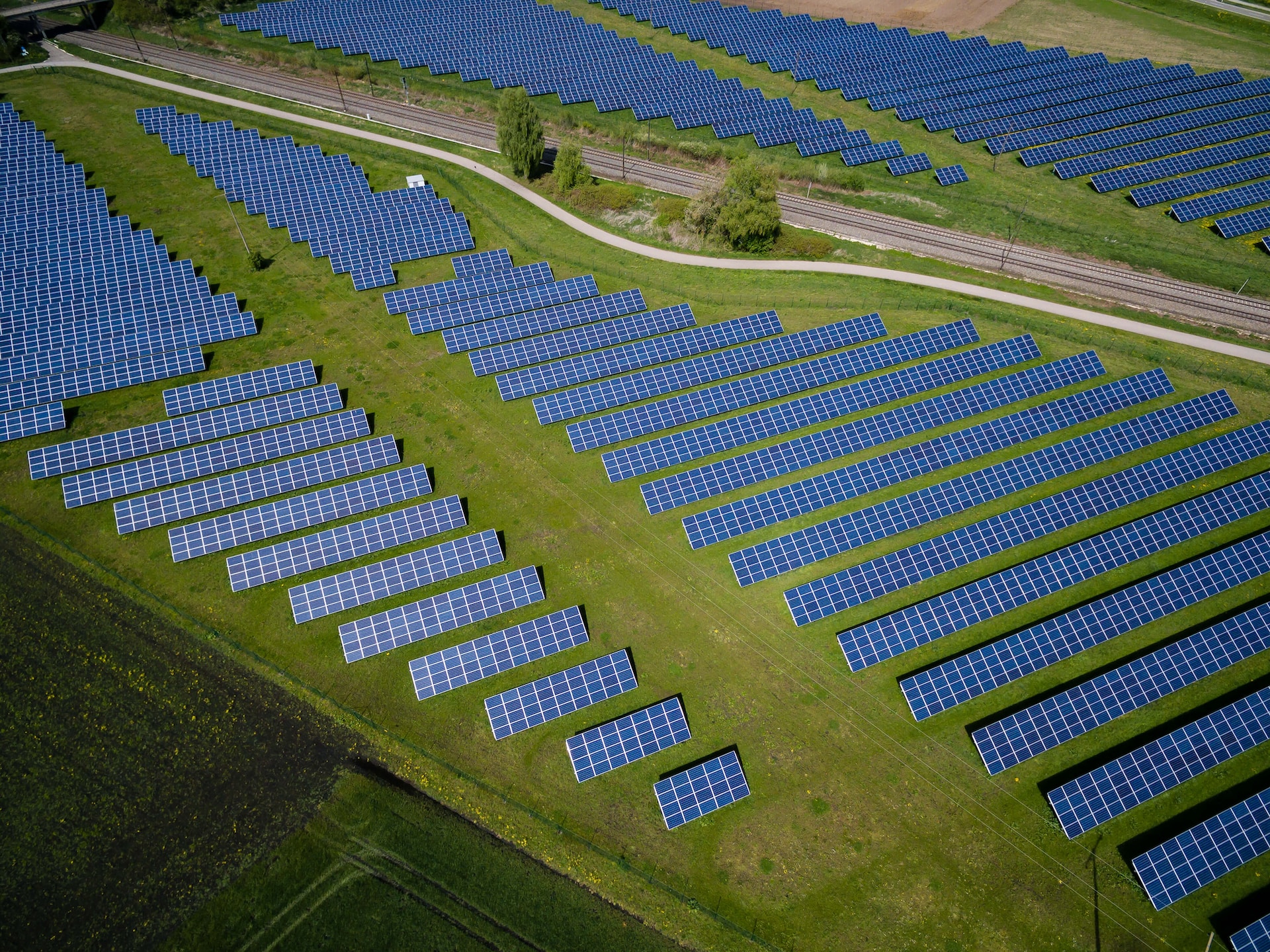
  • Harnessing the Sun: Renewable Energy Certificates and Carbon Emissions Credits from Solar Farms

    Harnessing the Sun: Renewable Energy Certificates and Carbon Emissions Credits from Solar Farms

    A New Dawn for Green Investments

    The global shift towards renewable energy sources has opened up innovative pathways for commodity traders and investors, particularly in the realms of Renewable Energy Certificates (RECs) and carbon emissions credits. Solar farms, pivotal in this green revolution, are not just producing clean energy but also generating valuable certificates and credits. This blog post explores the burgeoning market of RECs and carbon emissions credits from solar farms, offering insights into how they work, their benefits, and the opportunities they present.

    Understanding RECs and Carbon Emissions Credits

    1. Renewable Energy Certificates (RECs): A REC represents proof that one megawatt-hour (MWh) of electricity was generated from a renewable energy source and fed into the grid. These certificates can be sold or traded and are used by businesses and utilities to prove they have supported renewable energy production, even if the physical electricity they use comes from a different source.
    2. Carbon Emissions Credits: These credits are essentially permits that allow the holder to emit a certain amount of carbon dioxide or other greenhouse gases. They are part of cap-and-trade systems, which aim to reduce emissions by setting a cap on the total amount allowed and then permitting companies to buy, sell, or trade credits. Solar farms can generate these credits by offsetting traditional carbon-emitting energy sources.

    The Role of Solar Farms

    Solar farms play a crucial role in this ecosystem by providing a clean and renewable source of energy. By generating electricity from solar power, these farms contribute to reducing reliance on fossil fuels, thereby cutting down carbon emissions. The energy produced is quantified into RECs, while the reduction in carbon emissions translates into carbon credits. Both these instruments can be traded in their respective markets, offering a dual revenue stream for solar farm operators and investors.

    Benefits of Investing in Solar RECs and Carbon Credits

    • Environmental Impact: Investing in or trading RECs and carbon credits from solar farms directly contributes to reducing carbon footprints and promoting renewable energy sources.
    • Regulatory Compliance: For companies subject to environmental regulations or committed to sustainability goals, purchasing RECs and carbon credits can help meet regulatory requirements and corporate sustainability objectives.
    • Market Opportunities: The growing demand for clean energy and the increasing imposition of carbon taxes and regulations worldwide are expanding the market for RECs and carbon emissions credits, presenting lucrative opportunities for traders and investors.

    Navigating the Market

    For commodity traders interested in RECs and carbon credits from solar farms, understanding market dynamics is crucial. Factors such as regulatory changes, technological advancements in solar energy, and fluctuations in the demand for renewable energy can impact prices and availability. Additionally, geographic considerations play a role since the value and recognition of RECs and carbon credits can vary significantly across different jurisdictions.

    Challenges and Considerations

    Despite the opportunities, several challenges persist, including market volatility, regulatory uncertainty, and the complexity of tracking and verifying the origin of RECs and carbon credits. Traders and investors must stay informed about market trends, regulatory developments, and best practices in sustainability and carbon accounting.

    Conclusion: A Bright Future for Green Commodities

    The market for RECs and carbon emissions credits from solar farms is at the forefront of the transition towards a more sustainable and low-carbon global economy. For commodity traders, these instruments offer a promising avenue to contribute to environmental goals while tapping into new investment and revenue streams. As the world continues to embrace renewable energy, the importance and value of solar-derived RECs and carbon credits are set to rise, illuminating a path towards a sustainable and profitable future in green commodities.

  • Exploring the Lucrative World of Carbon Emissions Credits, Renewable Energy Certificates, and Weather Derivatives

    Exploring the Lucrative World of Carbon Emissions Credits, Renewable Energy Certificates, and Weather Derivatives

    In a world grappling with the consequences of climate change, environmental sustainability has become a paramount concern. Governments, businesses, and individuals are increasingly seeking ways to reduce their carbon footprint and invest in renewable energy sources. This shift towards sustainability has given rise to three intriguing financial instruments: Carbon Emissions Credits (CECs), Renewable Energy Certificates (RECs), and Weather Derivatives. In this blog, we will delve into these opportunities and explore how they can benefit both the environment and your bottom line.

    Carbon Emissions Credits (CECs)

    Carbon Emissions Credits, commonly referred to as carbon offsets, have gained substantial prominence in recent years as a means of combating climate change. CECs allow organizations and individuals to compensate for their carbon emissions by investing in projects that reduce greenhouse gases elsewhere. These projects can range from reforestation initiatives and renewable energy installations to methane capture from landfills.

    Opportunities:
    Financial Incentives: Investing in CECs can provide financial incentives and tax benefits for businesses and individuals alike.
    Compliance: Companies in regulated industries can use CECs to meet emissions reduction targets imposed by governments and international agreements.
    Sustainability Branding: Purchasing CECs can help businesses enhance their sustainability image and appeal to environmentally-conscious consumers.

    Renewable Energy Certificates (RECs)

    RECs are a market-based solution to promote the adoption of renewable energy sources. These certificates represent the environmental attributes of one megawatt-hour (MWh) of electricity generated from renewable sources, such as wind, solar, or hydro power. By purchasing RECs, individuals and businesses can support the expansion of renewable energy production.

    Opportunities:
    Green Energy Adoption: RECs enable consumers to support and invest in clean energy without the need for expensive infrastructure installations.
    Sustainability Goals: Companies can use RECs to meet renewable energy targets and reduce their carbon footprint.
    Competitive Advantage: Businesses that prioritize sustainability can gain a competitive edge by showcasing their commitment to clean energy.

    Weather Derivatives

    Weather derivatives are financial contracts that allow businesses to hedge against the impact of adverse weather conditions on their operations or revenues. These contracts are often used in industries heavily influenced by weather patterns, such as agriculture, energy, and tourism.

    Opportunities:
    Risk Mitigation: Weather derivatives can protect businesses from financial losses caused by unexpected weather events, such as hurricanes, droughts, or extreme temperatures.
    Increased Stability: By using weather derivatives, companies can stabilize their revenues and reduce uncertainty, making them more resilient to climate-related risks.
    Investment Diversification: Weather derivatives offer a unique way to diversify an investment portfolio, particularly for investors interested in commodities or weather-sensitive industries.

    Conclusion

    Carbon Emissions Credits, Renewable Energy Certificates, and Weather Derivatives are three distinct financial instruments that offer a range of opportunities for individuals and businesses. Not only do they allow for responsible environmental stewardship, but they also provide avenues for financial gain and risk mitigation.

    As the world continues to grapple with the pressing issue of climate change, these opportunities are likely to grow in importance. By participating in these markets, you can not only contribute to a more sustainable future but also explore avenues for financial growth and stability. Whether you’re looking to offset your carbon emissions, support clean energy, or protect your business from weather-related risks, these instruments offer promising pathways to achieve your goals. It’s time to embrace these opportunities and play your part in building a greener and more resilient world.

    Photo by Andreas Gücklhorn on Unsplash