
Tag: Cotton

  • Vietnam’s Burgeoning Hard Commodity Market: A Surge in Imports

    Vietnam’s Burgeoning Hard Commodity Market: A Surge in Imports

    A Spotlight on Vietnam’s Growing Demand for Hard Commodities

    Vietnam, an emerging market in Southeast Asia, has been experiencing a notable surge in the import of hard commodities. The year 2022 saw Vietnam importing a significant volume of various hard commodities such as cotton, soybeans, distiller’s grains, forest products, and dairy products, with a substantial portion coming from the United States. This blog post will delve into the dynamics of Vietnam’s hard commodity market, focusing on the trends, implications, and potential opportunities for commodity traders.

    The Scale of Vietnam’s Hard Commodity Imports

    The value of hard commodity imports into Vietnam paints a picture of a rapidly growing and diversifying economy. In 2022, Vietnam’s imports from the United States alone were substantial:

    • Cotton: The import of cotton was particularly noteworthy, valued at an estimated $3.6 billion. This reflects Vietnam’s robust textile and garment industry, which requires a steady supply of high-quality cotton.
    • Soybeans and Distiller’s Grains: These imports are crucial for Vietnam’s livestock and feed industry, supporting its expanding meat and dairy sectors.
    • Forest Products and Dairy Products: The significant value of these imports indicates a growing demand driven by Vietnam’s construction boom and increasing consumer preferences for dairy.

    Drivers Behind the Surge in Imports

    Several factors contribute to the increased demand for hard commodities in Vietnam:

    1. Industrial Growth: Vietnam’s industrial sectors, particularly textiles and garments, are experiencing rapid growth, driving demand for raw materials like cotton.
    2. Agricultural Development: The expansion of Vietnam’s agricultural sector, including livestock and dairy, necessitates a higher intake of feed commodities like soybeans and distiller’s grains.
    3. Consumer Trends: An evolving consumer base with increasing purchasing power is driving demand for diverse products, including dairy and wood products for construction and furniture.

    Implications for Commodity Traders

    For commodity traders, Vietnam’s market offers ample opportunities:

    • Market Expansion: The increasing demand for hard commodities in Vietnam opens up new markets for exporters, particularly those in countries with surplus production.
    • Diversification Strategies: Traders can capitalize on Vietnam’s diverse commodity needs by offering a range of products, from agricultural inputs to industrial raw materials.
    • Long-term Partnerships: Establishing long-term supply relationships with Vietnamese importers can be beneficial, given the country’s ongoing demand growth.

    Challenges and Considerations

    However, trading with Vietnam also presents challenges, including navigating trade regulations, understanding market preferences, and managing logistics and supply chain complexities.

    Conclusion: Vietnam’s Rising Role in Global Commodity Trade

    In conclusion, the significant value of hard commodity imports in 2022 highlights the country’s growing impact on the global commodity market. The increase in imports of cotton, soybeans, distiller’s grains, forest products, and dairy products demonstrates the diverse and expanding needs of the Vietnamese economy. For commodity traders, Vietnam represents a market ripe with opportunities, provided they navigate the challenges effectively. Understanding the nuances of Vietnam’s commodity demand will be key to tapping into this burgeoning market.
  • The Untapped Potential of Soft Commodities in West Africa

    The Untapped Potential of Soft Commodities in West Africa

    A Wealth of Agricultural Resources

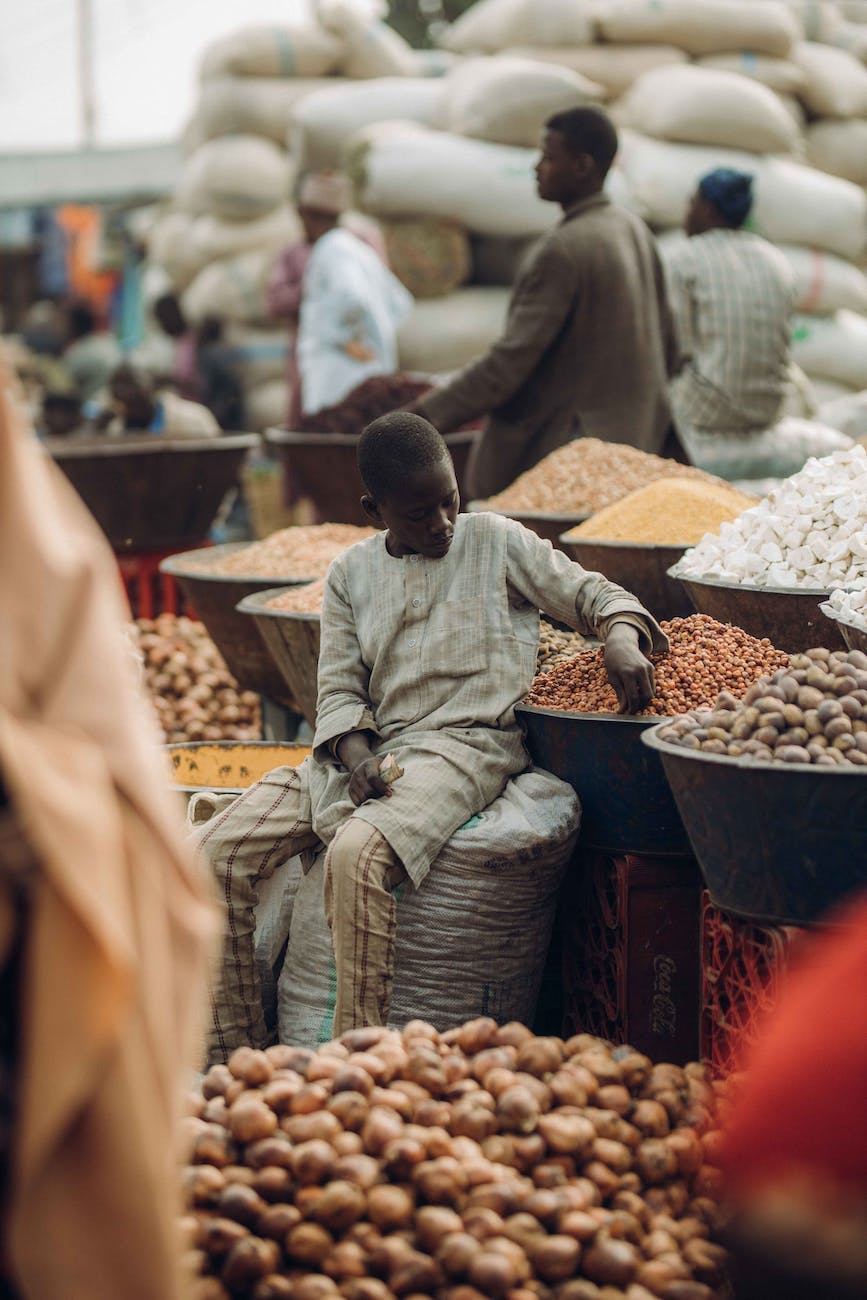
    West Africa, a region rich in agricultural diversity, stands as a significant player in the global market for soft commodities. This region is home to a wide array of agricultural products, including cocoa, cotton, cashew nuts, maize, cassava, rice, sorghum, millet, and palm oil. In this blog post, we delve into the potential and challenges of the soft commodity sector in West Africa, highlighting opportunities for investors and traders in the global commodity market.

    Key Commodities and Their Market Impact

    • Cocoa: West Africa is renowned for its cocoa production, with countries like Côte d’Ivoire and Ghana leading the way. This region is crucial to the global chocolate industry, providing a substantial portion of the world’s cocoa supply.
    • Cotton and Cashew Nuts: Besides cocoa, West Africa is also a significant producer of cotton and cashew nuts, commodities that play a vital role in the textile and food industries, respectively.
    • Staple Crops: Maize, cassava, rice, sorghum, and millet are essential for food security in the region. These crops have diverse uses and are staples in the local diet.
    • Palm Oil: This versatile oil is used in various applications, from cooking to cosmetics, making it a commodity with broad market appeal.

    Challenges and Opportunities

    While West Africa has immense potential in soft commodities, several challenges and opportunities shape this sector:

    • Production Deficit in Rice: Despite being a staple, there is a significant production deficit in rice, with the region heavily reliant on imports. This presents opportunities for increasing local production and reducing import dependency.
    • Agro-Industry Potential: Crops like maize and cassava offer potential for strengthening the agro-industry, given their multiple market applications and importance for food security.
    • Intraregional Trade: There’s untapped potential for intraregional trade in agricultural products, which could drive agricultural development and economic growth within the region.

    The Role of Soft Commodity Finance Facility (SCFF)

    The SCFF, an initiative to support soft commodity exports in Africa, plays a pivotal role in this sector. It offers pre-export financing to commodity aggregators, aiming to:

    • Reduce postharvest losses
    • Finance pre-harvest activities
    • Support exports, crucial for foreign exchange earnings and liquidity in the region

    Eligible institutions for SCFF must meet certain criteria, including being registered and operational in a Regional Member Country of the African Development Bank, demonstrating commercial viability, and maintaining strong risk management and corporate governance standards.

    Investment Potential in Soft Commodities

    For commodity traders and investors, West Africa’s soft commodity sector presents significant opportunities. Investing in this sector can not only yield financial returns but also contribute to the region’s economic development and food security.

    Conclusion: A Region Ripe for Growth

    West Africa’s soft commodity sector is a landscape of untapped potential, offering diverse opportunities for investment and trade. With the right strategies, investments, and support mechanisms like the SCFF, this sector can significantly contribute to regional and global markets. For commodity traders, staying informed about developments in this region is crucial for tapping into the opportunities presented by these valuable agricultural resources.