
Tag: West Africa

  • Cocoa Prices Reach Unprecedented Highs: Navigating the Surge Ahead of Valentine’s Day

    Cocoa Prices Reach Unprecedented Highs: Navigating the Surge Ahead of Valentine’s Day

    A Sweet Spike in Cocoa Costs

    As Valentine’s Day approaches, a time when chocolate demand typically soars, the cocoa market has experienced a dramatic surge, reaching an all-time high. On Friday, cocoa futures closed at an astonishing $5,888.00 per ton, surpassing the previous day’s record. This sharp increase, with prices more than doubling over the last year and climbing by about one-third in just the past month, has sent ripples through the commodity trading world and the global chocolate industry.

    Factors Behind the Price Surge

    The current spike in cocoa prices can be attributed to several critical factors:

    1. Worldwide Supply Shortages: A significant supply shortage has emerged as a leading driver of the price increase. With cocoa being a staple ingredient in chocolate production, any fluctuation in its supply directly impacts prices.
    2. Adverse Weather Conditions: Unfavorable weather patterns in key cocoa-producing regions, especially in West Africa, have severely impacted cocoa crops. West Africa, accounting for approximately two-thirds of the world’s cocoa production, has faced challenging conditions that have hindered crop yields.
    3. Tree Disease: Beyond weather adversities, diseases affecting cocoa trees have further exacerbated the supply constraints, contributing to the tightening of the global cocoa market.

    The Impact on Valentine’s Day Chocolate

    The timing of this price surge is particularly impactful, coming just ahead of Valentine’s Day, when chocolate consumption experiences a significant uptick. Chocolate manufacturers and retailers, already grappling with the challenge of maintaining supply amid growing demand, now face increased costs that could potentially be passed on to consumers.

    Implications for Commodity Traders and the Chocolate Industry

    For commodity traders, the volatile cocoa market presents both opportunities and challenges:

    • Opportunities for Strategic Trading: The current market conditions offer potential gains for traders who can navigate the volatility effectively. The ability to anticipate market movements and hedge appropriately can yield substantial returns.
    • Challenges in Price Forecasting: The unpredictability of supply shortages, weather conditions, and disease outbreaks makes it difficult to forecast future cocoa prices accurately. This uncertainty requires traders to be agile and well-informed to mitigate risks.
    • Impact on the Chocolate Industry: Chocolate manufacturers may need to explore strategies to absorb or offset the increased costs, such as adjusting product pricing, exploring alternative supply sources, or reformulating products.

    Strategies Moving Forward

    In response to these market dynamics, commodity traders and chocolate industry stakeholders might consider several strategies:

    1. Diversification of Supply Sources: Exploring cocoa supplies from regions less affected by adverse conditions could help mitigate supply risks.
    2. Innovative Financial Instruments: Utilizing financial instruments such as options and futures contracts can provide some price stability and risk management for traders and manufacturers.
    3. Sustainability and Disease Management: Investing in sustainable farming practices and disease-resistant cocoa tree varieties could help stabilize supply over the long term.

    Conclusion: A Market in Flux

    As the cocoa market navigates through this period of unprecedented prices, the implications ripple out to affect not just commodity traders but the entire chocolate industry and, ultimately, consumers. The situation underscores the complex interplay between agricultural production, global supply chains, and market demand. For those in the commodity trading sphere, staying informed and adaptable will be key to navigating the uncertain waters of the cocoa market in the days leading up to Valentine’s Day and beyond.
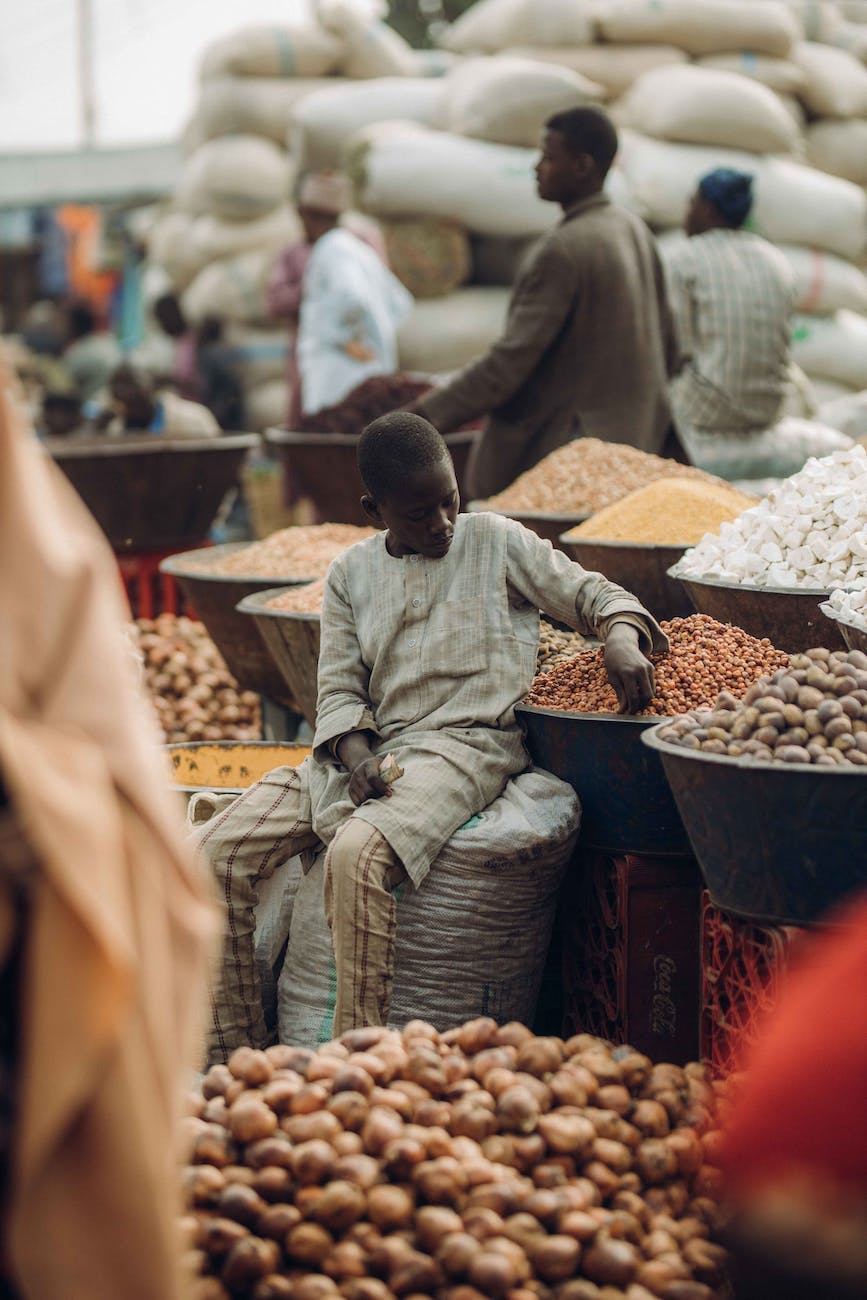
  • The Untapped Potential of Soft Commodities in West Africa

    The Untapped Potential of Soft Commodities in West Africa

    A Wealth of Agricultural Resources

    West Africa, a region rich in agricultural diversity, stands as a significant player in the global market for soft commodities. This region is home to a wide array of agricultural products, including cocoa, cotton, cashew nuts, maize, cassava, rice, sorghum, millet, and palm oil. In this blog post, we delve into the potential and challenges of the soft commodity sector in West Africa, highlighting opportunities for investors and traders in the global commodity market.

    Key Commodities and Their Market Impact

    • Cocoa: West Africa is renowned for its cocoa production, with countries like Côte d’Ivoire and Ghana leading the way. This region is crucial to the global chocolate industry, providing a substantial portion of the world’s cocoa supply.
    • Cotton and Cashew Nuts: Besides cocoa, West Africa is also a significant producer of cotton and cashew nuts, commodities that play a vital role in the textile and food industries, respectively.
    • Staple Crops: Maize, cassava, rice, sorghum, and millet are essential for food security in the region. These crops have diverse uses and are staples in the local diet.
    • Palm Oil: This versatile oil is used in various applications, from cooking to cosmetics, making it a commodity with broad market appeal.

    Challenges and Opportunities

    While West Africa has immense potential in soft commodities, several challenges and opportunities shape this sector:

    • Production Deficit in Rice: Despite being a staple, there is a significant production deficit in rice, with the region heavily reliant on imports. This presents opportunities for increasing local production and reducing import dependency.
    • Agro-Industry Potential: Crops like maize and cassava offer potential for strengthening the agro-industry, given their multiple market applications and importance for food security.
    • Intraregional Trade: There’s untapped potential for intraregional trade in agricultural products, which could drive agricultural development and economic growth within the region.

    The Role of Soft Commodity Finance Facility (SCFF)

    The SCFF, an initiative to support soft commodity exports in Africa, plays a pivotal role in this sector. It offers pre-export financing to commodity aggregators, aiming to:

    • Reduce postharvest losses
    • Finance pre-harvest activities
    • Support exports, crucial for foreign exchange earnings and liquidity in the region

    Eligible institutions for SCFF must meet certain criteria, including being registered and operational in a Regional Member Country of the African Development Bank, demonstrating commercial viability, and maintaining strong risk management and corporate governance standards.

    Investment Potential in Soft Commodities

    For commodity traders and investors, West Africa’s soft commodity sector presents significant opportunities. Investing in this sector can not only yield financial returns but also contribute to the region’s economic development and food security.

    Conclusion: A Region Ripe for Growth

    West Africa’s soft commodity sector is a landscape of untapped potential, offering diverse opportunities for investment and trade. With the right strategies, investments, and support mechanisms like the SCFF, this sector can significantly contribute to regional and global markets. For commodity traders, staying informed about developments in this region is crucial for tapping into the opportunities presented by these valuable agricultural resources.