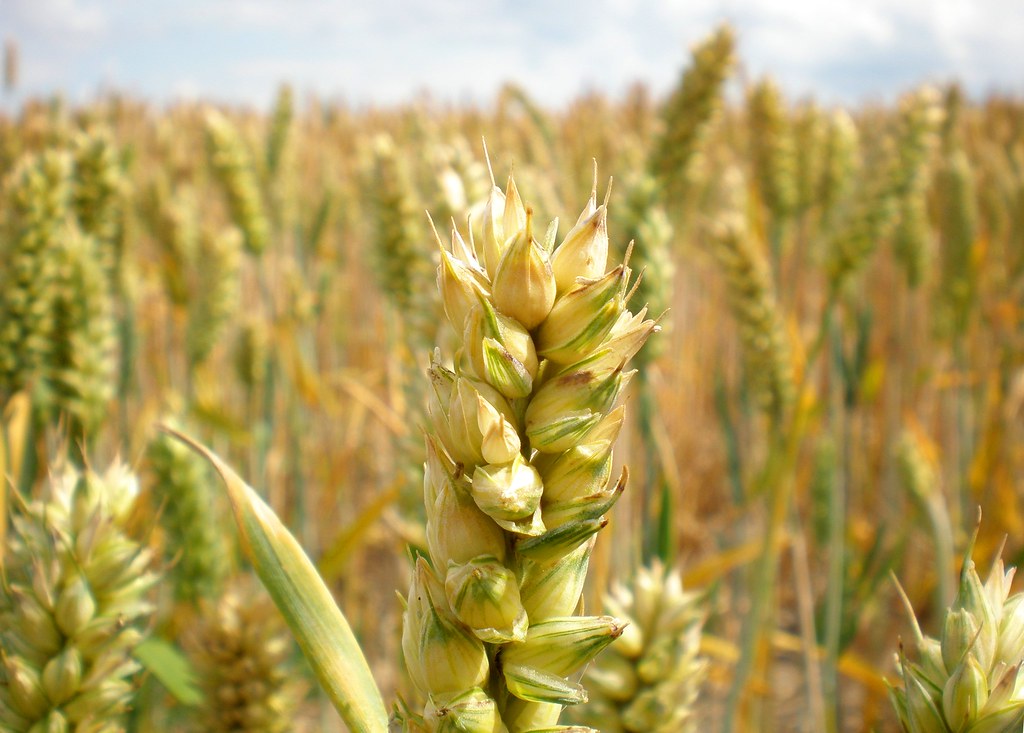
Tag: Wheat

  • Breakfast Commodities: Trends, Correlations, and Future Outlook

    Breakfast Commodities: Trends, Correlations, and Future Outlook

    A Staple in Every Portfolio: Understanding Breakfast Commodities

    For commodity traders, breakfast commodities—such as coffee, orange juice, wheat (for bread and cereals), sugar, and cocoa (for chocolate spreads and hot cocoa)—present a unique market segment. This blog post delves into how these commodities correlate, their past performance, and projections for their future in the global market.

    The Interconnected World of Breakfast Commodities

    Breakfast commodities are often intertwined in their market dynamics due to several factors:

    Consumer Habits: Shifts in breakfast preferences can simultaneously affect multiple commodities. For example, a trend towards healthier breakfast options may boost demand for orange juice while decreasing demand for sugar.

    Geopolitical Factors: Many breakfast commodities are grown in geopolitically sensitive regions. Political instability in one of these areas can impact prices across the board.

    Weather and Climate Change: As agricultural products, these commodities are susceptible to weather patterns and climate change, which can affect yields and quality.

    Past Performance: A Rollercoaster of Market Dynamics

    Historically, breakfast commodities have shown a mix of volatility and stability:

    • Coffee: Often volatile due to factors like Brazilian weather conditions and varying demand trends.
    • Orange Juice: Prices have fluctuated significantly in response to weather events, especially hurricanes in Florida and droughts in Brazil.
    • Wheat and Sugar: These staples have experienced price fluctuations driven by global supply changes, policy reforms, and energy market dynamics (for sugar).
    • Cocoa: Prices have been influenced by conditions in West Africa, which produces a significant portion of the world’s cocoa.

    Future Projections: Trends to Watch

    Looking forward, several factors are likely to shape the future of breakfast commodities:

    Climate Change Impact: With changing climate patterns, agricultural yields and quality for these commodities could face significant impacts, influencing market dynamics.

    Health and Dietary Trends: Growing health consciousness among consumers may lead to increased demand for certain commodities, like whole grains and natural juices, while decreasing demand for others, like sugar.

    Technological Advancements: Innovations in agriculture and food processing could improve yields and reduce costs, potentially stabilizing prices.

    Global Economic Trends: Economic growth in emerging markets could lead to increased demand for these commodities, while economic downturns might have the opposite effect.

    Investment Considerations

    For commodity traders, investment in breakfast commodities requires a keen understanding of these dynamics. Diversification across different commodities, constant monitoring of global trends, and a proactive approach to managing risks are key strategies for navigating this sector.

    Conclusion: A Segment Full of Potential

    In conclusion, breakfast commodities represent a fascinating and dynamic segment of the global commodity market. Their interconnected nature, combined with the influence of various global factors, makes them both challenging and potentially rewarding for traders. Staying informed and agile in response to market changes will be crucial for those looking to capitalize on the opportunities these commodities present in the future.

    Image by Elenildo Ferreira Artpix Comunicação visual from Pixabay

  • Grain Market Shake-Up: Corn and Wheat Prices Experience Largest Yearly Decline in a Decade

    Grain Market Shake-Up: Corn and Wheat Prices Experience Largest Yearly Decline in a Decade

    In a surprising turn of events, the commodity markets have witnessed a significant drop in corn and wheat prices, marking the largest yearly decline in a decade. This development comes as a ray of hope for consumers and policymakers alike, as it hints at the potential easing of food inflation. In this blog post, we will delve into the factors behind this unprecedented decline and the implications it holds for the commodity trading landscape.

    Factors Behind the Price Decline:
    Several interconnected factors have contributed to the drastic drop in corn and wheat prices, catching many commodity traders off guard. Understanding these elements is crucial for comprehending the broader market dynamics:

    Global Supply Surplus:
    The year has seen an unexpected surge in global grain production, resulting in a surplus of corn and wheat supplies. Favorable weather conditions in major producing regions, coupled with advancements in agricultural technologies, have led to bumper crops, surpassing initial market expectations.

    Improved Trade Relations:
    Geopolitical developments have played a pivotal role in shaping commodity prices. Improved trade relations between major grain-exporting nations have facilitated smoother cross-border transactions, reducing trade barriers and supporting a more fluid market.

    Innovation in Agriculture:
    Ongoing innovations in agricultural practices, including precision farming and the use of advanced machinery, have enhanced productivity and minimized losses. These advancements have contributed to increased yields and improved efficiency in the production of corn and wheat.

    Stable Energy Prices:
    The stability in energy prices has alleviated concerns about the cost of production and transportation, thereby positively impacting the overall cost structure of corn and wheat. As energy prices remain relatively steady, the cost pressures on farmers and traders have eased.

    Implications for Commodity Traders:
    The sudden decline in corn and wheat prices poses both challenges and opportunities for commodity traders. Here’s a closer look at how traders might navigate this evolving landscape:

    Diversification Strategies:
    Traders may need to reevaluate their portfolios and consider diversifying into other commodities or adjusting their positions based on the changing dynamics of the corn and wheat markets.

    Risk Management:
    With market conditions being unpredictable, effective risk management becomes paramount. Traders should employ hedging strategies to protect against potential price reversals or unforeseen geopolitical events that could impact the commodity markets.

    Monitoring Global Trends:
    Staying informed about global trends, including weather patterns, trade policies, and technological advancements, will be essential for traders looking to anticipate and adapt to future changes in the commodity markets.

    Conclusion:
    The significant decline in corn and wheat prices offers a glimmer of hope for consumers facing food inflation concerns. While commodity traders navigate the complexities of these evolving markets, the broader implications of this price drop extend beyond financial markets to impact global food security and supply chains. As we move forward, vigilance and adaptability will be key for both traders and stakeholders in the agricultural sector.

    Grain Market Image by Albrecht Fietz from Pixabay

  • From Prairie to Port: The Diverse Agricultural Exports of Vancouver

    From Prairie to Port: The Diverse Agricultural Exports of Vancouver

    Nestled on the western coast of Canada, the Port of Vancouver stands as a bustling gateway, not just for Canada, but for North America’s rich agricultural bounty. As one of the world’s most versatile ports, it plays a pivotal role in the global export of a diverse array of Agricultural Exports. From the golden wheat fields of Western Canada to the orchards and vineyards of British Columbia, the Port of Vancouver serves as the critical junction where these agricultural treasures embark on their journey to international markets.

    Canada’s Agricultural Cornucopia: A Snapshot

    Before diving into the specifics of exporting wheat from Western Canada, let’s appreciate the broader agricultural landscape that converges at the Port of Vancouver. This port is a hub of activity for a variety of Canadian agricultural exports:

    • Grains and Cereals: Western Canada, with its vast and fertile prairies, is a powerhouse of grain production. Wheat, notably, is a major export, but the port also handles significant quantities of canola, barley, and other cereals.
    • Pulses and Legumes: Canada is a leading exporter of pulses like lentils and peas. These protein-rich crops, primarily grown in the prairies, find their way to international markets through the Port of Vancouver.
    • Fruits and Wine: British Columbia’s milder climate lends itself to fruit cultivation, particularly apples, cherries, and berries. The province’s burgeoning wine industry also sees its products exported worldwide.
    • Dairy and Meat Products: The port facilitates the export of high-quality dairy products and meats, including beef and pork, adhering to stringent quality standards.
    view of the port of vancouver in canada
    Photo by Kostas Dimopoulos on Pexels.com

    The Role of the Port of Vancouver

    The Port of Vancouver is more than just a shipping point; it’s a vital link in Canada’s agricultural supply chain. It offers state-of-the-art facilities and logistical solutions that ensure the efficient, safe, and timely transport of these diverse products to global destinations. Its strategic location and advanced infrastructure make it an indispensable asset for Canadian exporters looking to tap into international markets.

    As we zoom in on the export of wheat, a staple product in this impressive lineup, the significance of the Port of Vancouver becomes even more apparent. It’s not just a matter of loading cargo onto ships; it’s about maintaining the quality, ensuring compliance with international standards, and navigating the complexities of global trade.

    Grain Trade Essentials: Supplying Wheat from Western Canada”

    At CommodityTrader.com, we understand the intricacies of the global grain market, particularly when it comes to exporting commodities like wheat from productive regions such as Western Canada. This blog post is designed to walk you through the key steps and necessary documentation for successfully supplying wheat from Western Canada, a region known for its high-quality grain. Whether you’re a seasoned trader or new to the industry, understanding this process is crucial for smooth and efficient transactions.

    Step 1: Understanding the Market and Securing a Contract

    Market Research

    • Familiarize yourself with the Western Canadian wheat market, including the types of wheat available, current market prices, and quality standards.

    Contract Negotiation

    • Secure a contract with a buyer. The contract should detail the quantity, quality (such as protein content), price, delivery terms (Incoterms), and payment terms.

    Step 2: Legal and Regulatory Compliance

    Export Permits and Regulations

    • Ensure compliance with Canadian grain export regulations. This may involve obtaining necessary export permits and ensuring adherence to international trade laws.

    Phytosanitary Certificates

    • Obtain a phytosanitary certificate from the Canadian Food Inspection Agency (CFIA), certifying that the wheat is free from pests and meets the importing country’s health standards.

    Step 3: Quality Assurance

    Grain Inspection

    • Prior to shipment, the wheat should be inspected and graded according to Canadian Grain Commission (CGC) standards. This ensures the quality and weight meet the contract specifications.

    Quality Certification

    • Obtain a quality certification document from an accredited agency, providing proof of the wheat’s grade and quality.

    Step 4: Arranging Logistics

    Transportation

    • Organize transportation logistics. Wheat from Western Canada is typically transported via rail or truck to port facilities and then shipped overseas.

    Storage and Handling

    • Ensure proper storage and handling to maintain the quality of the wheat until it reaches the port for export.

    Step 5: Documentation for Export

    Sales and Purchase Agreement (SPA)

    • This is the primary legal document outlining the terms of the sale.

    Bill of Lading

    • Obtain a Bill of Lading from the transportation company. This serves as a receipt for the shipped goods and a document of title.

    Export Declaration

    • Complete an export declaration to be filed with the Canadian Border Services Agency (CBSA).

    Insurance Documents

    • Secure cargo insurance to protect against loss or damage during transit.

    Letter of Credit

    • If applicable, arrange a Letter of Credit from the buyer’s bank to ensure payment security.

    Step 6: Post-Shipment Monitoring

    Tracking and Communication

    • Track the shipment and maintain communication with the buyer, providing updates on the shipment status.

    Feedback and Resolution

    • Once the wheat is delivered, solicit feedback from the buyer and promptly address any concerns or disputes that may arise.

    Agricultural Exports Conclusion

    Exporting wheat from Western Canada involves a detailed process, from understanding the market to fulfilling legal requirements and ensuring quality standards. It’s a process that demands thoroughness, attention to detail, and a deep understanding of the grain trade. At CommodityTrader.com, we equip our clients with the knowledge and tools needed to navigate this process successfully, ensuring a smooth and profitable trading experience in the dynamic world of Agricultural Exports.