Tag: Brazil

  • Navigating the Sweet Opportunities: Brazil’s Refined Sugar Market

    Navigating the Sweet Opportunities: Brazil’s Refined Sugar Market

    A Global Leader in Refined Sugar Trade

    In the global commodity market, granulated refined crystal white sugar, particularly the ICUMSA-45, ICUMSA-100, and ICUMSA-150 grades, stands out as a highly sought-after product. Our team, with its deep expertise in the Brazil sugar market and logistics, is poised to offer these premium sugar grades to the global market. This blog post explores the opportunities and advantages of trading in Brazilian refined sugar and how our services can facilitate smooth and efficient transactions.

    Understanding ICUMSA Grades

    ICUMSA (International Commission for Uniform Methods of Sugar Analysis) is a worldwide body that standardizes sugar quality specifications. The ICUMSA rating is a direct measure of the sugar’s purity and quality:

    • ICUMSA-45: Often referred to as the world’s highest quality sugar, it is the most refined form available. It’s known for its sparkling white color and purity.
    • ICUMSA-100 and ICUMSA-150: These grades represent slightly less refined sugar but still maintain high purity levels. They are suitable for a wide range of food applications.

    Brazil’s Sugar Market: A Powerhouse of Production

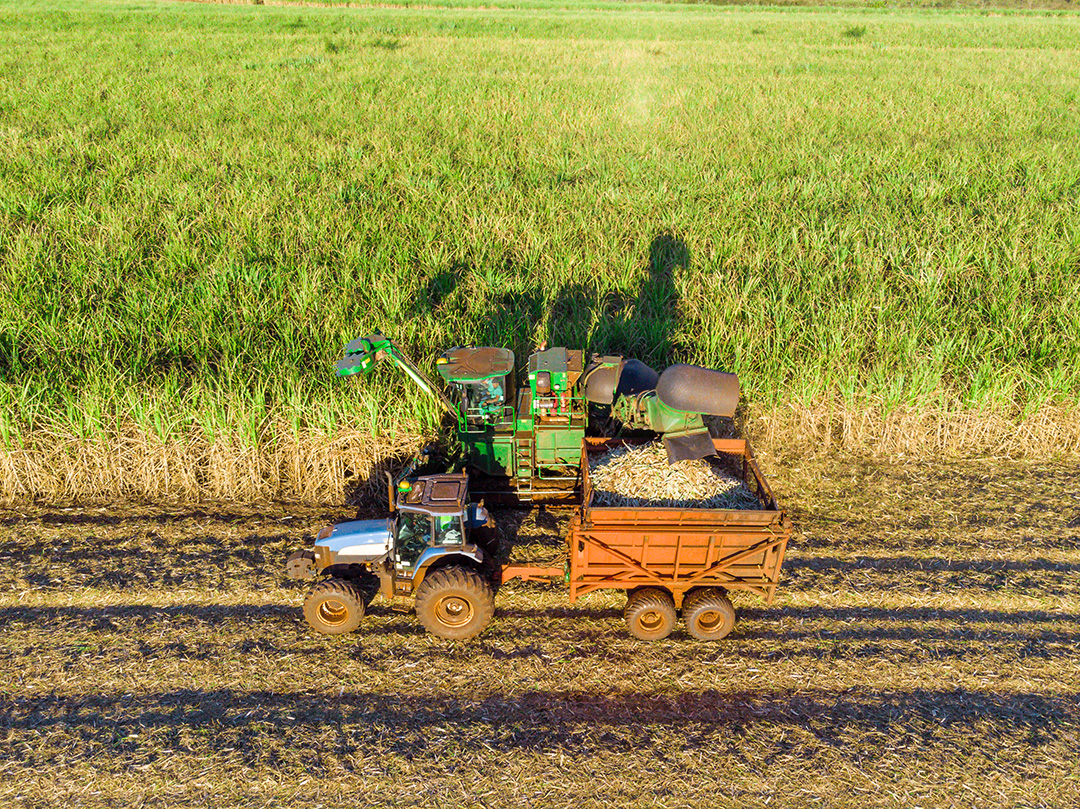
    Brazil is one of the world’s largest sugar producers, with a significant portion of its production exported globally. The country’s vast sugarcane plantations and efficient processing infrastructure enable it to produce sugar of exceptional quality and in large quantities.

    Our Expertise in Brazil Sugar Trade and Logistics

    Our sales and logistics teams are well-versed in the intricacies of the Brazilian sugar market and its global trade dynamics. We offer:

    • High-Quality Sugar Grades: Our refined white sugar meets the stringent ICUMSA specifications, ensuring top quality for our customers.
    • Competitive Shipping Costs: We have established networks and knowledge to offer compatible shipping costs to various destination ports, making our offerings economically attractive.
    • Fast and Reliable Service: Understanding the importance of timely delivery, we ensure that our service is both fast and reliable, catering to the urgent needs of our clients.

    Worldwide Shipments Tailored to Your Needs

    We cater to a global clientele, ensuring that our sugar products reach customers wherever they are. Our team handles all logistical aspects, from procurement to shipping, ensuring a seamless and hassle-free experience for our clients.

    The Advantage of Trading with Us

    • Quality Assurance: We ensure that all sugar products meet the highest quality standards.
    • Customized Solutions: We offer tailored solutions to meet specific client needs, including various packaging options like strong 50kg Polypropylene Bags.
    • Market Knowledge: Our deep understanding of the Brazilian sugar market and global trade trends provides clients with valuable insights.

    Conclusion: Sweetening the Deal in Global Sugar Trade

    In conclusion, the refined sugar market, especially Brazil’s ICUMSA-45, ICUMSA-100, and ICUMSA-150, presents lucrative opportunities for traders worldwide. Our expertise in the Brazilian sugar market and logistics positions us uniquely to facilitate efficient, cost-effective, and reliable sugar trade transactions. Whether you’re looking to import high-quality Brazilian sugar or seeking a reliable partner for navigating the complex sugar market, our team is equipped to meet and exceed your expectations.

    Photo by Alexander Grey on Unsplash
  • Sweet Success: Brazil’s Domination in the Global Sugar Market

    Sweet Success: Brazil’s Domination in the Global Sugar Market

    Welcome to our latest exploration at CommodityTrader.com. Today, we’re taking a closer look at one of the sweetest spots in the commodities market – Sugar from Brazil. As the world’s largest sugar producer and exporter, Brazil plays a pivotal role in shaping the global sugar trade. Let’s dive into the details of Brazil’s sugar industry and its recent trade figures, understanding why this nation is a key player in the sweet world of sugar.

    Brazil’s Sweet Dominance

    Brazil is not just a major player; it is the kingpin in the global sugar market. Its vast sugarcane fields, primarily located in the South-Central region, contribute significantly to the country’s economy.

    Why Brazil?

    • Ideal Growing Conditions: Brazil’s climate and soil are perfect for sugarcane cultivation, allowing for high-quality and efficient sugar production.
    • Massive Production Scale: The scale of production in Brazil is unmatched, with vast plantations and advanced agricultural techniques.

    Recent Trade Figures

    Brazil’s dominance in the sugar market is reflected in its impressive trade figures:

    • Exports: Brazil exported approximately 29.5 million metric tons of sugar in the 2020/2021 season, solidifying its position as the world’s largest sugar exporter.
    • Market Share: These exports represent a significant portion of the global sugar market, with Brazil holding around 45% of the world’s sugar exports.

    The Global Impact

    Price Influence

    • Brazil’s sugar market significantly influences global sugar prices. Changes in Brazil’s production, due to factors like weather or policy shifts, can cause ripples in global prices.

    Ethanol Production

    • A unique aspect of Brazil’s sugar industry is its significant role in ethanol production. Sugarcane ethanol is a major biofuel in Brazil, and fluctuations in the ethanol market can impact sugar production and exports.

    Challenges and Opportunities

    While Brazil’s sugar industry is thriving, it also faces unique challenges and opportunities:

    • Environmental Concerns: There’s growing scrutiny over the environmental impact of sugarcane cultivation, particularly regarding land use and deforestation.
    • Market Fluctuations: Global market trends, trade policies, and bilateral agreements continually shape Brazil’s sugar trade dynamics.
    • Ethanol vs. Sugar Production: The balance between sugar and ethanol production is crucial, as it affects Brazil’s supply in the global sugar market.

    How CommodityTrader.com Can Help

    For those interested in trading or investing in sugar, Brazil’s market is an area of great potential. Here’s how CommodityTrader.com can assist:

    • Market Insights: We provide up-to-date information and analyses on Brazil’s sugar market and global trends.
    • Trading Strategies: Our experts can help you navigate the volatile sugar market with tailored trading strategies.
    • Risk Management: We offer tools and advice to mitigate risks associated with trading in commodities like sugar.
    Conclusion

    Brazil’s role in the global sugar market is a testament to its agricultural prowess and strategic significance in the commodities market. Understanding Brazil’s sugar industry is key for traders, investors, and stakeholders in the global food and energy sectors. At CommodityTrader.com, we’re here to provide you with the insights and support needed to capitalize on the opportunities presented by Brazil’s sweet commodity. Join us as we continue to explore the fascinating dynamics of the global commodities market.

  • Chicken Feet Craze: China’s Growing Demand and Global Trade Dynamics

    Chicken Feet Craze: China’s Growing Demand and Global Trade Dynamics

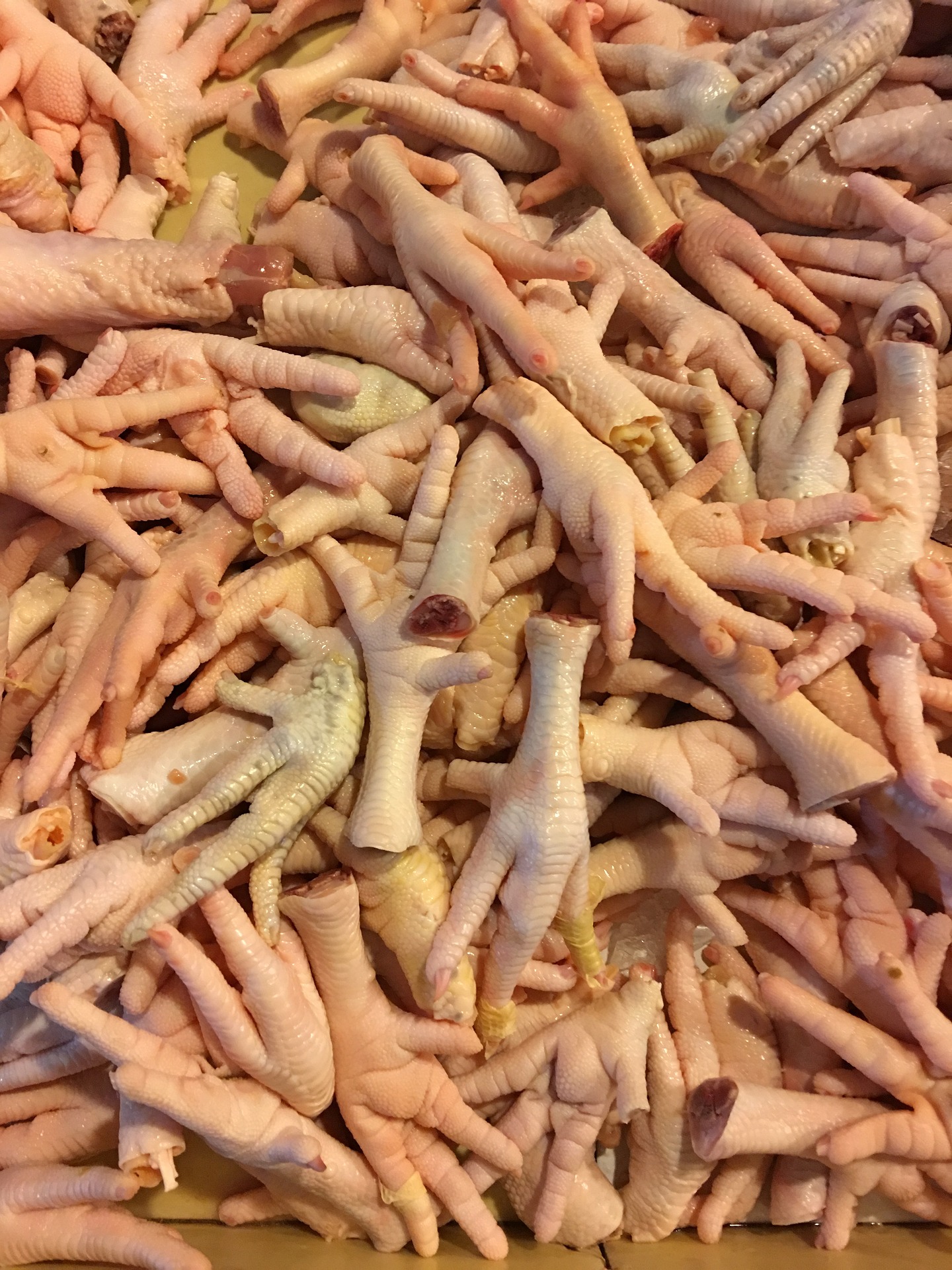
    Welcome to another insightful post on CommodityTrader.com. Today, we’re delving into an intriguing and perhaps surprising trend in the global food commodities market – the soaring demand for chicken feet in China. This niche product, often overlooked in many Western countries, has become a culinary delicacy and a significant import item in China. Let’s explore why this is happening, where China is sourcing from, and the steps necessary for exporting chicken parts to this vast market.

    Why the Surge in Demand?

    Cultural Preferences and Culinary Traditions

    • In China, chicken feet, known as “phoenix claws,” are a prized delicacy. They are savored for their unique texture and flavor and are a staple in dim sum and various traditional dishes.
    • This culinary preference dates back centuries and is deeply embedded in Chinese cuisine and culture.

    Health Perceptions

    • Chicken feet are believed to have health benefits, including being rich in collagen, which is thought to promote skin health and joint mobility.

    Key Sources of Import

    China’s domestic production of chicken does not meet its massive demand, leading to significant imports. The major exporters to China include:

    The United States

    • The U.S. has been a key supplier, although trade dynamics have been influenced by tariffs and trade policies in recent years.

    Brazil and Argentina

    • South American countries, particularly Brazil and Argentina, have become significant exporters of chicken feet to China. Their poultry industries are well-established and meet the stringent quality standards required by Chinese importers.

    Steps for Exporting Chicken to China

    Understanding Market Requirements

    • Compliance with China’s food safety and quality standards is crucial. This includes meeting specific health and safety regulations and obtaining necessary certifications.

    Establishing Supply Chains

    • Securing a reliable supply of high-quality chicken feet is essential. This often involves partnering with large poultry processors who can provide consistent quality and volume.

    Navigating Trade Policies

    • Exporters must stay informed about the latest trade policies, tariffs, and bilateral agreements between their home country and China.

    Building Relationships

    • Establishing strong relationships with Chinese importers and understanding the nuances of Chinese business culture is key to long-term success.

    Logistics and Shipping

    • Efficient logistics and cold chain management are crucial for transporting a perishable product like chicken feet across long distances.

    Economic Impacts

    For Exporting Countries

    • The demand for chicken feet, which are less valued in many Western countries, has opened up lucrative markets for poultry processors in these regions.

    For China

    • Importing chicken feet helps satisfy local demand and contributes to the diversity of the Chinese culinary scene.

    Conclusion

    The growing demand for chicken feet in China is a fascinating example of how specific cultural tastes can shape global trade dynamics. For exporters, tapping into this market requires a thorough understanding of regulatory standards, effective supply chain management, and cultural sensibilities.

    At CommodityTrader.com, we provide the insights and guidance needed to navigate these unique market opportunities. Whether you’re an established trader or looking to explore new markets, understanding the complexities of commodities like chicken feet is key to success in the global trade arena.