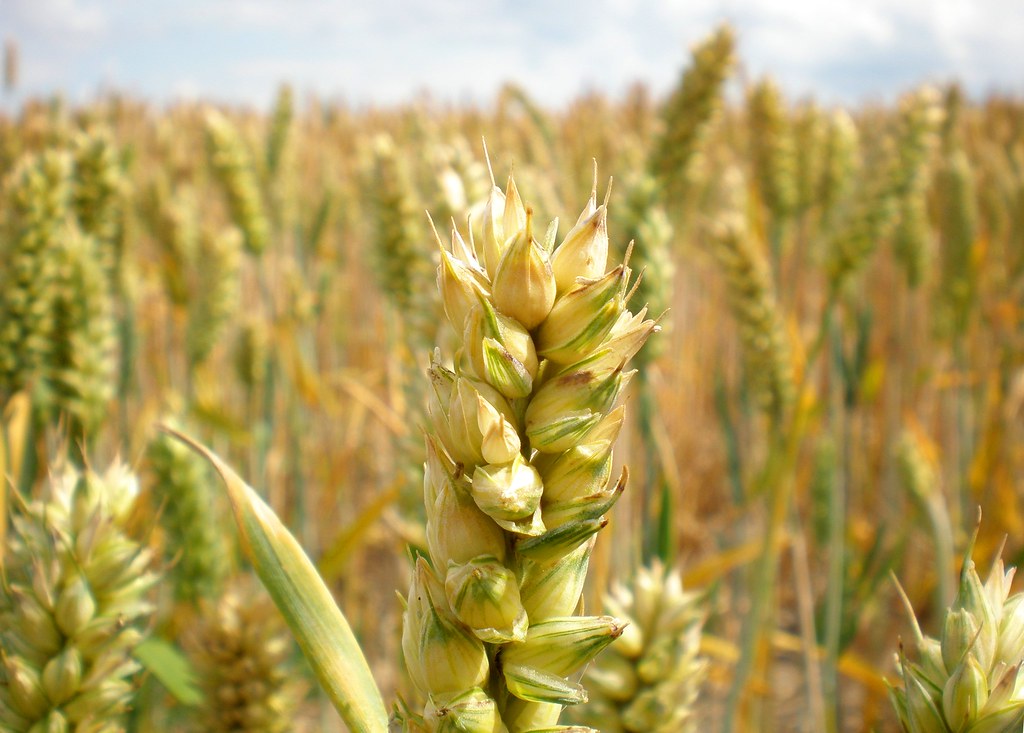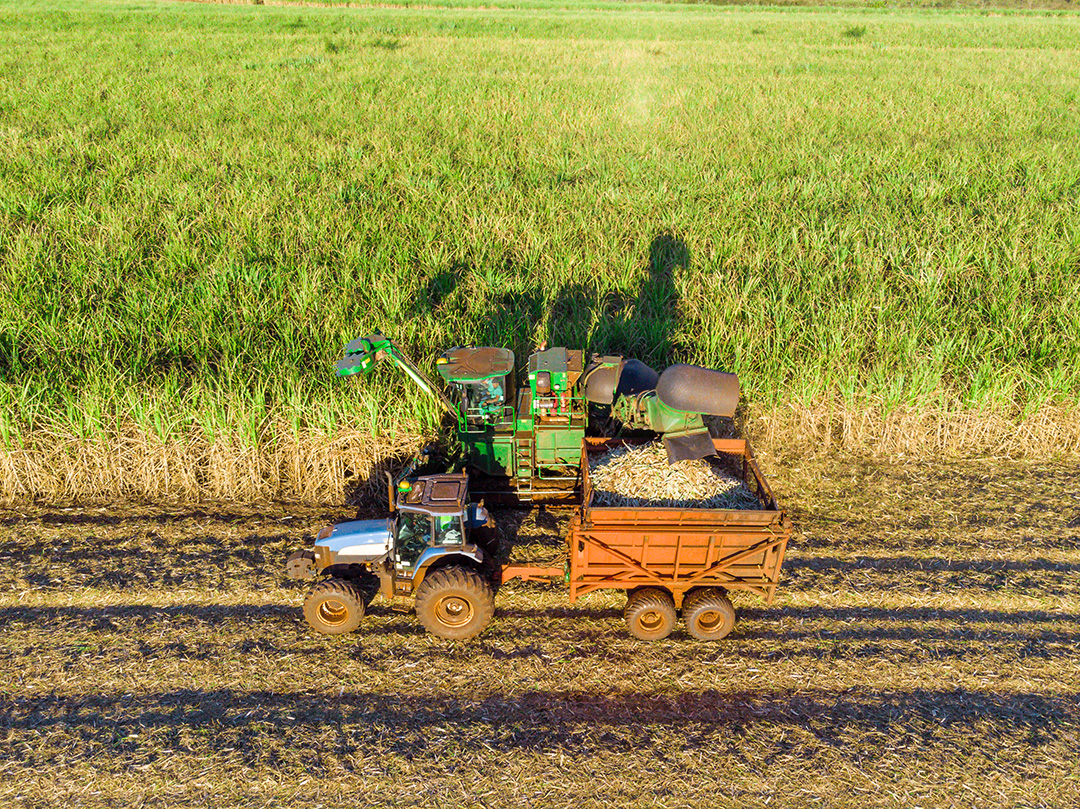
Category: Agricultural

Encompassing a wide range of products, this category includes staples like corn, wheat, soybeans, as well as cash crops like coffee, sugar, and cotton. Agricultural commodities are fundamental to the global food supply and are affected by factors like climate, trade policies, and technological advancements in farming.

  • The Belt and Road Initiative: Reshaping Global Trade and Investment Landscapes

    The Belt and Road Initiative: Reshaping Global Trade and Investment Landscapes

    A Visionary Blueprint for Global Development

    The Belt and Road Initiative (BRI), proposed by China, represents one of the most ambitious international cooperation and development projects of the 21st century. Aiming to weave a network of trade routes and partnerships reminiscent of the ancient Silk Road, the BRI seeks to enhance global trade, bolster economic integration, and promote infrastructural development across continents. This initiative encompasses a broad geographic scope, touching almost 75% of the world’s population and accounting for over half of global GDP. Through the development of hard infrastructure, such as roads and ports, soft infrastructure, including trade agreements and partnerships, and fostering people-to-people ties, the BRI holds the potential to yield significant economic and political gains not only for China but for participating countries around the globe.

    Economic and Political Gains for China

    The BRI is strategically positioned to serve China’s long-term interests in multiple arenas:

    • Expansion of Export Markets: By facilitating easier and more efficient trade routes, the BRI opens new doors for Chinese exports to reach farther and more diverse markets.
    • Promotion of the Renminbi: The initiative also serves as a platform to internationalize the Renminbi, enhancing China’s financial influence worldwide.
    • Reduction of Trade Frictions: Streamlining transport and reducing tariffs and other barriers through BRI corridors can significantly lower trade costs, making Chinese goods more competitive globally.

    Criticism and Challenges

    Despite its ambitious goals, the BRI has not been without controversy. Some participating countries have voiced concerns over what they perceive as “debt-trap diplomacy,” accusing China of leveraging massive loans for infrastructure projects to exert economic and political leverage. Allegations of neo-colonialism and opaque loan agreements leading to unsustainable debt burdens for recipient countries have sparked debates on the true cost and benefits of the initiative.

    The Scope of Influence

    Spanning more than 68 countries and covering territories home to 65% of the world’s population and 40% of the global GDP (as of 2017), the BRI stands as one of the largest infrastructure and investment megaprojects in history. From Asia to Africa, Europe, and beyond, the initiative is reshaping the landscape of global trade and investment, promising to redefine economic corridors and foster unprecedented levels of international cooperation.

    Opportunities for Commodity Traders

    For commodity traders, the BRI presents a plethora of opportunities and considerations:

    • New Markets and Routes: The development of new trade routes and logistic networks can open up emerging markets, offering traders access to new supply and demand dynamics.
    • Commodity Flows: Enhanced infrastructure facilitates smoother and more cost-effective commodity flows, potentially stabilizing prices and reducing supply chain risks.
    • Investment Opportunities: The vast scale of infrastructural development under the BRI umbrella creates investment opportunities in commodities critical to construction, energy, and technological sectors.

    Navigating the New Silk Road

    As the BRI continues to unfold, its impact on global trade, investment landscapes, and international relations will undoubtedly be profound. While the initiative promises economic growth and development for participating countries, it also necessitates careful navigation of the associated financial, political, and strategic challenges. For commodity traders, staying informed and adaptable to the evolving dynamics of the BRI will be crucial in leveraging the opportunities it presents and mitigating potential risks.

    In conclusion, the Belt and Road Initiative, with its ambitious vision and global reach, is reshaping the contours of international trade and investment. As it progresses, understanding its complexities and capitalizing on the emerging opportunities will be paramount for stakeholders across the spectrum of global commerce.

  • Vietnam’s Burgeoning Hard Commodity Market: A Surge in Imports

    Vietnam’s Burgeoning Hard Commodity Market: A Surge in Imports

    A Spotlight on Vietnam’s Growing Demand for Hard Commodities

    Vietnam, an emerging market in Southeast Asia, has been experiencing a notable surge in the import of hard commodities. The year 2022 saw Vietnam importing a significant volume of various hard commodities such as cotton, soybeans, distiller’s grains, forest products, and dairy products, with a substantial portion coming from the United States. This blog post will delve into the dynamics of Vietnam’s hard commodity market, focusing on the trends, implications, and potential opportunities for commodity traders.

    The Scale of Vietnam’s Hard Commodity Imports

    The value of hard commodity imports into Vietnam paints a picture of a rapidly growing and diversifying economy. In 2022, Vietnam’s imports from the United States alone were substantial:

    • Cotton: The import of cotton was particularly noteworthy, valued at an estimated $3.6 billion. This reflects Vietnam’s robust textile and garment industry, which requires a steady supply of high-quality cotton.
    • Soybeans and Distiller’s Grains: These imports are crucial for Vietnam’s livestock and feed industry, supporting its expanding meat and dairy sectors.
    • Forest Products and Dairy Products: The significant value of these imports indicates a growing demand driven by Vietnam’s construction boom and increasing consumer preferences for dairy.

    Drivers Behind the Surge in Imports

    Several factors contribute to the increased demand for hard commodities in Vietnam:

    1. Industrial Growth: Vietnam’s industrial sectors, particularly textiles and garments, are experiencing rapid growth, driving demand for raw materials like cotton.
    2. Agricultural Development: The expansion of Vietnam’s agricultural sector, including livestock and dairy, necessitates a higher intake of feed commodities like soybeans and distiller’s grains.
    3. Consumer Trends: An evolving consumer base with increasing purchasing power is driving demand for diverse products, including dairy and wood products for construction and furniture.

    Implications for Commodity Traders

    For commodity traders, Vietnam’s market offers ample opportunities:

    • Market Expansion: The increasing demand for hard commodities in Vietnam opens up new markets for exporters, particularly those in countries with surplus production.
    • Diversification Strategies: Traders can capitalize on Vietnam’s diverse commodity needs by offering a range of products, from agricultural inputs to industrial raw materials.
    • Long-term Partnerships: Establishing long-term supply relationships with Vietnamese importers can be beneficial, given the country’s ongoing demand growth.

    Challenges and Considerations

    However, trading with Vietnam also presents challenges, including navigating trade regulations, understanding market preferences, and managing logistics and supply chain complexities.

    Conclusion: Vietnam’s Rising Role in Global Commodity Trade

    In conclusion, the significant value of hard commodity imports in 2022 highlights the country’s growing impact on the global commodity market. The increase in imports of cotton, soybeans, distiller’s grains, forest products, and dairy products demonstrates the diverse and expanding needs of the Vietnamese economy. For commodity traders, Vietnam represents a market ripe with opportunities, provided they navigate the challenges effectively. Understanding the nuances of Vietnam’s commodity demand will be key to tapping into this burgeoning market.

  • Navigating Agriculture Flows: Key Data Sources for Tracking Agricultural Cargoes

    Navigating Agriculture Flows: Key Data Sources for Tracking Agricultural Cargoes

    The Importance of Data in Agricultural Commodity Trading

    In the ever-evolving and complex world of agricultural commodity trading, staying informed about the latest market trends, cargo movements, and trade flows is crucial. For traders, analysts, and industry stakeholders, reliable data sources are invaluable for making informed decisions. In this blog post, we’ll explore some of the best sources for data on agricultural cargoes and their movements, focusing on organizations like China Customs, ICCO, IGC, ISC, NOPA, USDA, and WASDE.

    China Customs

    As one of the world’s largest importers and consumers of agricultural commodities, China plays a pivotal role in global trade flows. Data from China Customs is essential for understanding this market, offering detailed insights into import and export volumes, tariff rates, and trade barriers. This information is vital for traders dealing with commodities that have a significant market in China.

    International Cocoa Organization (ICCO)

    For those in the cocoa trade, the ICCO is an indispensable resource. It provides comprehensive data on cocoa production, prices, stocks, and global trade flows. Their reports and statistical data are essential for understanding market dynamics, particularly for countries heavily involved in cocoa production and export.

    International Grains Council (IGC)

    The IGC offers extensive data on global grain and oilseed markets. It covers a wide range of commodities, including wheat, corn, soybeans, and rice. The Council’s reports on production, consumption, trade, and stocks are crucial for traders who need to stay abreast of changes in the grains market.

    International Sugar Organization (ISO)

    Sugar traders rely heavily on the ISO for data on global sugar markets. The organization provides detailed analysis of sugar production, consumption, export, import, and price trends. Their reports offer a global perspective, which is essential for understanding the complexities of the sugar market.

    National Oilseed Processors Association (NOPA)

    NOPA is key for those involved in the soybean and oilseed markets. It offers monthly reports on soybean crush data and oilseed processing, which are critical for gauging supply and demand dynamics in the U.S. and globally.

    United States Department of Agriculture (USDA)

    The USDA is one of the most comprehensive sources for agricultural data. It provides extensive information on a wide range of commodities and covers aspects such as production, consumption, stocks, and exports. The USDA’s reports are considered authoritative and are closely followed by agricultural traders worldwide.

    World Agricultural Supply and Demand Estimates (WASDE)

    The WASDE report, published by the USDA, is a key document that offers monthly forecasts of supply and demand for major crops and livestock. The report’s global coverage and detailed analysis make it an essential tool for anyone involved in agricultural commodity trading.

    Conclusion: Staying Ahead in Agricultural Commodity Trading

    In conclusion, staying informed and up-to-date with the latest data is crucial in the fast-paced world of agricultural commodity trading. Utilizing the wealth of information provided by organizations like China Customs, ICCO, IGC, ISO, NOPA, USDA, and WASDE allows traders to make well-informed decisions, understand market trends, and stay ahead of the curve. These sources are invaluable for anyone looking to succeed in the dynamic and challenging world of agricultural commodities.

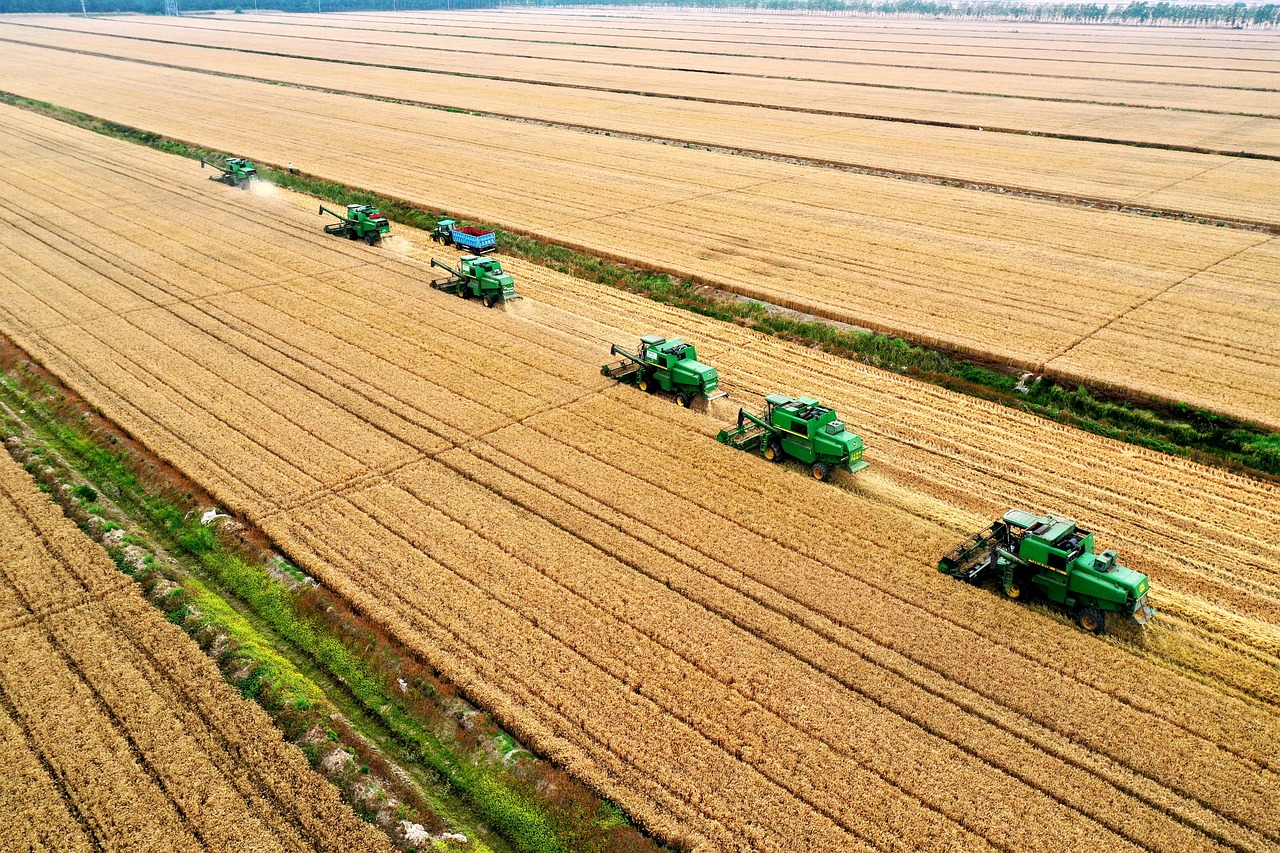
    Image by Bigbig Dragon from Pixabay

  • Grain Market Shake-Up: Corn and Wheat Prices Experience Largest Yearly Decline in a Decade

    Grain Market Shake-Up: Corn and Wheat Prices Experience Largest Yearly Decline in a Decade

    In a surprising turn of events, the commodity markets have witnessed a significant drop in corn and wheat prices, marking the largest yearly decline in a decade. This development comes as a ray of hope for consumers and policymakers alike, as it hints at the potential easing of food inflation. In this blog post, we will delve into the factors behind this unprecedented decline and the implications it holds for the commodity trading landscape.

    Factors Behind the Price Decline:
    Several interconnected factors have contributed to the drastic drop in corn and wheat prices, catching many commodity traders off guard. Understanding these elements is crucial for comprehending the broader market dynamics:

    Global Supply Surplus:
    The year has seen an unexpected surge in global grain production, resulting in a surplus of corn and wheat supplies. Favorable weather conditions in major producing regions, coupled with advancements in agricultural technologies, have led to bumper crops, surpassing initial market expectations.

    Improved Trade Relations:
    Geopolitical developments have played a pivotal role in shaping commodity prices. Improved trade relations between major grain-exporting nations have facilitated smoother cross-border transactions, reducing trade barriers and supporting a more fluid market.

    Innovation in Agriculture:
    Ongoing innovations in agricultural practices, including precision farming and the use of advanced machinery, have enhanced productivity and minimized losses. These advancements have contributed to increased yields and improved efficiency in the production of corn and wheat.

    Stable Energy Prices:
    The stability in energy prices has alleviated concerns about the cost of production and transportation, thereby positively impacting the overall cost structure of corn and wheat. As energy prices remain relatively steady, the cost pressures on farmers and traders have eased.

    Implications for Commodity Traders:
    The sudden decline in corn and wheat prices poses both challenges and opportunities for commodity traders. Here’s a closer look at how traders might navigate this evolving landscape:

    Diversification Strategies:
    Traders may need to reevaluate their portfolios and consider diversifying into other commodities or adjusting their positions based on the changing dynamics of the corn and wheat markets.

    Risk Management:
    With market conditions being unpredictable, effective risk management becomes paramount. Traders should employ hedging strategies to protect against potential price reversals or unforeseen geopolitical events that could impact the commodity markets.

    Monitoring Global Trends:
    Staying informed about global trends, including weather patterns, trade policies, and technological advancements, will be essential for traders looking to anticipate and adapt to future changes in the commodity markets.

    Conclusion:
    The significant decline in corn and wheat prices offers a glimmer of hope for consumers facing food inflation concerns. While commodity traders navigate the complexities of these evolving markets, the broader implications of this price drop extend beyond financial markets to impact global food security and supply chains. As we move forward, vigilance and adaptability will be key for both traders and stakeholders in the agricultural sector.

    Grain Market Image by Albrecht Fietz from Pixabay

  • From Prairie to Port: The Diverse Agricultural Exports of Vancouver

    From Prairie to Port: The Diverse Agricultural Exports of Vancouver

    Nestled on the western coast of Canada, the Port of Vancouver stands as a bustling gateway, not just for Canada, but for North America’s rich agricultural bounty. As one of the world’s most versatile ports, it plays a pivotal role in the global export of a diverse array of Agricultural Exports. From the golden wheat fields of Western Canada to the orchards and vineyards of British Columbia, the Port of Vancouver serves as the critical junction where these agricultural treasures embark on their journey to international markets.

    Canada’s Agricultural Cornucopia: A Snapshot

    Before diving into the specifics of exporting wheat from Western Canada, let’s appreciate the broader agricultural landscape that converges at the Port of Vancouver. This port is a hub of activity for a variety of Canadian agricultural exports:

    • Grains and Cereals: Western Canada, with its vast and fertile prairies, is a powerhouse of grain production. Wheat, notably, is a major export, but the port also handles significant quantities of canola, barley, and other cereals.
    • Pulses and Legumes: Canada is a leading exporter of pulses like lentils and peas. These protein-rich crops, primarily grown in the prairies, find their way to international markets through the Port of Vancouver.
    • Fruits and Wine: British Columbia’s milder climate lends itself to fruit cultivation, particularly apples, cherries, and berries. The province’s burgeoning wine industry also sees its products exported worldwide.
    • Dairy and Meat Products: The port facilitates the export of high-quality dairy products and meats, including beef and pork, adhering to stringent quality standards.
    view of the port of vancouver in canada
    Photo by Kostas Dimopoulos on Pexels.com

    The Role of the Port of Vancouver

    The Port of Vancouver is more than just a shipping point; it’s a vital link in Canada’s agricultural supply chain. It offers state-of-the-art facilities and logistical solutions that ensure the efficient, safe, and timely transport of these diverse products to global destinations. Its strategic location and advanced infrastructure make it an indispensable asset for Canadian exporters looking to tap into international markets.

    As we zoom in on the export of wheat, a staple product in this impressive lineup, the significance of the Port of Vancouver becomes even more apparent. It’s not just a matter of loading cargo onto ships; it’s about maintaining the quality, ensuring compliance with international standards, and navigating the complexities of global trade.

    Grain Trade Essentials: Supplying Wheat from Western Canada”

    At CommodityTrader.com, we understand the intricacies of the global grain market, particularly when it comes to exporting commodities like wheat from productive regions such as Western Canada. This blog post is designed to walk you through the key steps and necessary documentation for successfully supplying wheat from Western Canada, a region known for its high-quality grain. Whether you’re a seasoned trader or new to the industry, understanding this process is crucial for smooth and efficient transactions.

    Step 1: Understanding the Market and Securing a Contract

    Market Research

    • Familiarize yourself with the Western Canadian wheat market, including the types of wheat available, current market prices, and quality standards.

    Contract Negotiation

    • Secure a contract with a buyer. The contract should detail the quantity, quality (such as protein content), price, delivery terms (Incoterms), and payment terms.

    Step 2: Legal and Regulatory Compliance

    Export Permits and Regulations

    • Ensure compliance with Canadian grain export regulations. This may involve obtaining necessary export permits and ensuring adherence to international trade laws.

    Phytosanitary Certificates

    • Obtain a phytosanitary certificate from the Canadian Food Inspection Agency (CFIA), certifying that the wheat is free from pests and meets the importing country’s health standards.

    Step 3: Quality Assurance

    Grain Inspection

    • Prior to shipment, the wheat should be inspected and graded according to Canadian Grain Commission (CGC) standards. This ensures the quality and weight meet the contract specifications.

    Quality Certification

    • Obtain a quality certification document from an accredited agency, providing proof of the wheat’s grade and quality.

    Step 4: Arranging Logistics

    Transportation

    • Organize transportation logistics. Wheat from Western Canada is typically transported via rail or truck to port facilities and then shipped overseas.

    Storage and Handling

    • Ensure proper storage and handling to maintain the quality of the wheat until it reaches the port for export.

    Step 5: Documentation for Export

    Sales and Purchase Agreement (SPA)

    • This is the primary legal document outlining the terms of the sale.

    Bill of Lading

    • Obtain a Bill of Lading from the transportation company. This serves as a receipt for the shipped goods and a document of title.

    Export Declaration

    • Complete an export declaration to be filed with the Canadian Border Services Agency (CBSA).

    Insurance Documents

    • Secure cargo insurance to protect against loss or damage during transit.

    Letter of Credit

    • If applicable, arrange a Letter of Credit from the buyer’s bank to ensure payment security.

    Step 6: Post-Shipment Monitoring

    Tracking and Communication

    • Track the shipment and maintain communication with the buyer, providing updates on the shipment status.

    Feedback and Resolution

    • Once the wheat is delivered, solicit feedback from the buyer and promptly address any concerns or disputes that may arise.

    Agricultural Exports Conclusion

    Exporting wheat from Western Canada involves a detailed process, from understanding the market to fulfilling legal requirements and ensuring quality standards. It’s a process that demands thoroughness, attention to detail, and a deep understanding of the grain trade. At CommodityTrader.com, we equip our clients with the knowledge and tools needed to navigate this process successfully, ensuring a smooth and profitable trading experience in the dynamic world of Agricultural Exports.

  • Sweet Success: Brazil’s Domination in the Global Sugar Market

    Sweet Success: Brazil’s Domination in the Global Sugar Market

    Welcome to our latest exploration at CommodityTrader.com. Today, we’re taking a closer look at one of the sweetest spots in the commodities market – Sugar from Brazil. As the world’s largest sugar producer and exporter, Brazil plays a pivotal role in shaping the global sugar trade. Let’s dive into the details of Brazil’s sugar industry and its recent trade figures, understanding why this nation is a key player in the sweet world of sugar.

    Brazil’s Sweet Dominance

    Brazil is not just a major player; it is the kingpin in the global sugar market. Its vast sugarcane fields, primarily located in the South-Central region, contribute significantly to the country’s economy.

    Why Brazil?

    • Ideal Growing Conditions: Brazil’s climate and soil are perfect for sugarcane cultivation, allowing for high-quality and efficient sugar production.
    • Massive Production Scale: The scale of production in Brazil is unmatched, with vast plantations and advanced agricultural techniques.

    Recent Trade Figures

    Brazil’s dominance in the sugar market is reflected in its impressive trade figures:

    • Exports: Brazil exported approximately 29.5 million metric tons of sugar in the 2020/2021 season, solidifying its position as the world’s largest sugar exporter.
    • Market Share: These exports represent a significant portion of the global sugar market, with Brazil holding around 45% of the world’s sugar exports.

    The Global Impact

    Price Influence

    • Brazil’s sugar market significantly influences global sugar prices. Changes in Brazil’s production, due to factors like weather or policy shifts, can cause ripples in global prices.

    Ethanol Production

    • A unique aspect of Brazil’s sugar industry is its significant role in ethanol production. Sugarcane ethanol is a major biofuel in Brazil, and fluctuations in the ethanol market can impact sugar production and exports.

    Challenges and Opportunities

    While Brazil’s sugar industry is thriving, it also faces unique challenges and opportunities:

    • Environmental Concerns: There’s growing scrutiny over the environmental impact of sugarcane cultivation, particularly regarding land use and deforestation.
    • Market Fluctuations: Global market trends, trade policies, and bilateral agreements continually shape Brazil’s sugar trade dynamics.
    • Ethanol vs. Sugar Production: The balance between sugar and ethanol production is crucial, as it affects Brazil’s supply in the global sugar market.

    How CommodityTrader.com Can Help

    For those interested in trading or investing in sugar, Brazil’s market is an area of great potential. Here’s how CommodityTrader.com can assist:

    • Market Insights: We provide up-to-date information and analyses on Brazil’s sugar market and global trends.
    • Trading Strategies: Our experts can help you navigate the volatile sugar market with tailored trading strategies.
    • Risk Management: We offer tools and advice to mitigate risks associated with trading in commodities like sugar.
    Conclusion

    Brazil’s role in the global sugar market is a testament to its agricultural prowess and strategic significance in the commodities market. Understanding Brazil’s sugar industry is key for traders, investors, and stakeholders in the global food and energy sectors. At CommodityTrader.com, we’re here to provide you with the insights and support needed to capitalize on the opportunities presented by Brazil’s sweet commodity. Join us as we continue to explore the fascinating dynamics of the global commodities market.

  • Coffee: The Global Morning Brew

    Coffee: The Global Morning Brew

    A Deep Dive into the Coffee Commodity Market

    Welcome to our latest blog post at CommodityTrader.com! Today, we’re focusing on a commodity that starts our mornings and fuels our days – coffee. From its humble origins to becoming a global powerhouse in the commodity market, coffee’s journey is as rich and diverse as its flavors. Let’s explore the world of coffee trading and its significance in the global market.

    The Bean that Conquered the World

    Coffee, believed to have been discovered in Ethiopia, has traveled across continents, cultures, and centuries to become the world’s second most traded commodity. It’s not just a beverage; it’s a cultural phenomenon, a financial asset, and for many, an essential daily ritual.

    The Economics of Coffee

    Estimated Trade Value: $100 Billion

    The global coffee market is vast and complex, driven by a mix of consumer trends, economic factors, and environmental conditions. The value chain of coffee – from growers to exporters, brokers, and retailers – involves millions of people worldwide.

    Key Producers and Markets

    The leading producers of coffee are Brazil, Vietnam, Colombia, and Ethiopia. Brazil alone accounts for about a third of the world’s coffee production. The largest consumers, however, are the United States and Europe, with Europe accounting for nearly a third of global coffee consumption.

    Market Dynamics: A Volatile Brew

    Coffee prices are highly volatile, influenced by various factors:

    • Weather Conditions: Being a tropical crop, coffee is sensitive to weather conditions. Unpredictable weather, like droughts or excessive rains, can significantly impact production.
    • Political and Economic Stability: In many coffee-producing countries, political and economic uncertainties can affect supply chains.
    • Global Demand: Trends in consumer preferences, such as the rise of specialty coffee and ethical sourcing, also impact market dynamics.

    The Specialty Coffee Movement

    The rise of specialty coffee has added a new dimension to the coffee market. Consumers now seek not just a caffeine fix but a quality experience, with a focus on sustainability, ethical sourcing, and unique flavors. This shift has opened new avenues for small-scale producers to access global markets.

    Sustainability and Ethical Concerns

    Sustainability is a growing concern in the coffee industry. Issues like deforestation, water usage, and fair compensation for farmers are at the forefront of discussions. Certification programs like Fair Trade and Rainforest Alliance aim to address these concerns, although challenges remain.

    Future Trends: What Lies Ahead?

    As we look to the future, several trends are shaping the coffee market:

    • Climate Change: Changing climate patterns pose a significant threat to coffee production, especially in areas prone to extreme weather conditions.
    • Technological Advancements: From blockchain for traceability to advanced farming techniques, technology is playing a crucial role in the evolution of the coffee market.
    • Health and Wellness: The health benefits of coffee, such as antioxidants, are making it a preferred beverage in health-conscious consumer segments.

    Conclusion

    Coffee is more than a commodity; it’s a global phenomenon that touches lives, economies, and cultures. In the world of commodity trading, understanding the nuances of the coffee market can offer lucrative opportunities and challenges. At CommodityTrader.com, we’re committed to providing you with insights and analysis to help you navigate this vibrant market. Whether you’re a trader, investor, or coffee enthusiast, staying informed is key to understanding and capitalizing on the world of coffee trading.