Category: Livestock

This category includes commodities like cattle, hogs, pork bellies, and feeder cattle. These commodities are integral to the food industry and are subject to factors such as weather conditions, feed costs, and global demand for meat products.

  • The Rising Star in Livestock: The Economic Potential of Bison

    The Rising Star in Livestock: The Economic Potential of Bison

    The bison industry is carving a unique niche within the agricultural market, emerging as a lucrative alternative to traditional livestock. Known for their robustness and the nutritional superiority of their meat, bison are becoming a focal point for producers looking to diversify their operations. This blog post delves into the import and export statistics of bison, underscoring their growing significance as a valuable livestock commodity.

    Nutritional and Environmental Benefits

    Bison meat stands out for its health benefits, boasting lower fat and cholesterol levels compared to conventional beef. This has led to increased consumer demand, particularly among health-conscious individuals seeking alternative protein sources. Additionally, bison and cattle grazing contribute significantly to the health of grassland ecosystems, promoting biodiversity and sustainable agricultural practices.

    Market Opportunities

    The bison market spans live animal sales, meat, and value-added products such as jerky, pet food, and hides. There’s also a niche market for bison-based tourism, offering educational and interactive experiences. Unlike traditional cattle operations, bison farming requires sturdier facilities due to the animals’ strength and size, but they can be raised on similar pastures, often leading to more efficient land use and higher revenue potential.

    Producers market bison meat directly to wholesalers, restaurants, and consumers, capitalizing on the growing demand for meat produced without hormones or antibiotics. The direct-marketing approach has proven effective, allowing producers to tap into niche markets and establish premium pricing.

    Import and Export Dynamics

    The United States and Canada are major players in the bison industry, with both countries participating actively in the trade of live animals and meat products.

    The import and export statistics for bison show a significant increase in live bison exports over the past years. In 2022, live bison exports reached 32,362 heads, marking an 86.6% increase from 2018. Canadian bison imports were slightly higher, with actual slaughter numbers showing a 37% increase compared to December totals. The National Bison Association reports that approximately 80,000 bison were harvested in the U.S. in 2023, with state-inspected slaughter contributing around 20% to the total number of bison harvested. The bison industry involves various products such as meat, hides, and value-added items like jerky and pet food, contributing to a growing market for bison products.

    The largest importers of bison meat include countries like the Netherlands, Italy, France, and Switzerland within the European Union. The European Union has become the top destination for Canadian bison meat, with the Netherlands, Italy, and France being the top three importers. These countries have shown a growing demand for bison meat due to its nutritional value and appeal as a sustainable and healthy meat product. Additionally, the United States continues to be a significant market for bison exports, receiving all live bison exports and a considerable portion of bison meat exports from Canada.

    As consumer preferences continue to evolve, the demand for bison meat and products is expected to rise, potentially leading to increased international trade. Export markets for bison products are expanding, particularly in regions where consumers are seeking healthier and more sustainable meat options.

    Challenges and Considerations

    Transitioning from traditional cattle to bison production requires careful consideration. Producers must invest in stronger infrastructure and adapt their management practices to accommodate the unique needs of bison. However, the potential for higher revenue and the growing demand for bison products can offset these initial challenges.

    Furthermore, as the bison industry grows, it will be essential to maintain sustainable farming practices to ensure the long-term health of bison populations and grassland ecosystems. The industry’s commitment to environmental stewardship and animal welfare will play a crucial role in its continued success and public perception.

    Conclusion

    Bison represent a promising opportunity for livestock producers, offering a combination of economic benefits and environmental sustainability. As the market for bison products continues to expand, producers equipped with the right knowledge and resources can capitalize on this growing trend. The future of the bison industry looks bright, with the potential to reshape perceptions of livestock production and meet the demands of modern consumers seeking healthier, more sustainable meat options.

    Citations:
    [1] https://www.gov.mb.ca/agriculture/markets-and-statistics/trade-statistics/pubs/bison-market-in-eu.pdf
    [2] https://www.ams.usda.gov/mnreports/ams_2827.pdf
    [3] https://www.aphis.usda.gov/aphis/ourfocus/animalhealth/monitoring-and-surveillance/nahms/nahms_bison_studies
    [4] https://www.nber.org/system/files/working_papers/w12969/w12969.pdf
    [5] https://bisoncentral.com/bison-by-the-numbers/
    [6] https://oec.world/en/profile/hs/bovine-meat
    [7] https://www.ers.usda.gov/webdocs/publications/106277/err-312.pdf?v=6538
    [8] https://www.nationmaster.com/nmx/ranking/buffalo-meat-production
    [9] https://www.visualcapitalist.com/cp/mapped-meat-consumption-by-country-and-type/

  • The Evolution of China’s Demand for Livestock Commodities

    The Evolution of China’s Demand for Livestock Commodities

    A Shift in Appetite: China’s Growing Hunger for Livestock

    In recent years, China’s demand for livestock commodities has undergone a significant transformation, reflecting broader economic, demographic, and cultural shifts. This burgeoning demand has sent ripples across global markets, reshaping trade flows and production patterns. This blog post delves into the changing landscape of China’s appetite for livestock commodities and explores the main drivers behind this surge.

    The Trajectory of Demand

    Historically, China’s livestock consumption was predominantly centered around pork, the country’s staple meat. However, the past decade has witnessed a diversification and escalation in demand across a broader spectrum of livestock commodities, including beef, poultry, dairy, and seafood. This shift is not merely a phase but a reflection of deeper societal transformations.

    Drivers of Increasing Demand

    Several key factors contribute to the growing demand for livestock commodities in China:

    • Economic Growth and Urbanization: China’s rapid economic development and urbanization have led to increased household incomes, enabling more consumers to afford animal protein. Urban lifestyles also influence dietary preferences towards convenience and diversity, further boosting the demand for various types of meat and dairy products.
    • Population and Demographic Changes: With the world’s largest population, China’s sheer demographic scale plays a critical role in shaping demand. Additionally, a growing middle class with changing dietary preferences has shown a greater inclination towards protein-rich diets, including livestock commodities.
    • Health and Nutrition Awareness: Increased awareness about health and nutrition has led Chinese consumers to seek out quality protein sources, fueling demand for livestock commodities. This trend is bolstered by government nutritional guidelines promoting animal protein as a component of a balanced diet.
    • Food Security Concerns: Recent challenges, such as the African Swine Fever outbreak that decimated China’s pork production, have heightened concerns over food security. These concerns have prompted both government and consumers to diversify meat sources, leading to increased imports of beef, poultry, and other livestock commodities.
    • Globalization and Changing Food Culture: Exposure to global food cultures, through travel and media, has expanded Chinese consumers’ palates. There’s a growing interest in Western-style diets, which often feature a higher consumption of beef and dairy products, further driving demand.

    The Impact on Global Markets

    China’s escalating demand for livestock commodities has profound implications for global markets:

    • Increased Imports: To meet domestic demand, China has ramped up imports of livestock commodities, becoming a key market for many exporting countries. This has led to shifts in global trade patterns, with producers increasingly looking to tap into the Chinese market.
    • Price Fluctuations: The surge in demand from China can lead to price volatility in global markets, impacting both producers and consumers worldwide.
    • Sustainability Concerns: The growing demand for animal protein raises questions about sustainability and the environmental impact of increased livestock production, prompting discussions about more sustainable consumption and production practices.

    Looking Ahead

    As China’s demand for livestock commodities continues to evolve, both challenges and opportunities lie ahead for global producers, traders, and policymakers. Adapting to this changing landscape requires a nuanced understanding of the market dynamics at play and a strategic approach to navigating the complexities of global food systems.

    In conclusion, the trajectory of China’s demand for livestock commodities is a testament to its economic growth, changing societal norms, and the interconnectedness of global markets. For commodity traders, staying ahead in this dynamic environment means closely monitoring these trends, understanding their implications, and strategically positioning to meet the changing demands of the Chinese market.

  • US Pork Belly Prices Skyrocket Amid Tightening Supplies

    US Pork Belly Prices Skyrocket Amid Tightening Supplies

    The Sizzling Surge in Pork Belly Prices

    In a significant development for commodity traders and the meat industry, US pork belly spot prices have seen a dramatic rise, as dwindling supplies intensify market dynamics. This post delves into the factors behind the soaring prices of pork bellies, a beloved staple for bacon enthusiasts, and what it means for traders and the broader agricultural market.

    A Trend of Declining Stockpiles

    Chilled US stockpiles of pork bellies have been consistently trending below the 5-year average since the latter half of 2023. This decline mirrors a reduction in overall pork production, sparking a notable rally in wholesale spot prices. Since August, the volume of pork bellies in US cold storage has remained under 50 million pounds, significantly lower than the 5-year norm.

    Wholesale Prices Leap

    The impact of these tightened supplies is evident in the wholesale market. Since mid-December, wholesale spot prices for boxed pork belly weighing 200 pounds have surged from $80 to more than $133. This substantial increase, amounting to about 66%, underscores the supply challenges facing the market.

    Challenges for Pork Producers

    2023 was a tough year for pork producers. On average, producers faced losses of about $32 per head, reflecting the challenges within the industry. These difficulties are largely attributed to higher feed costs, labor shortages, and logistical disruptions, and are expected to continue into the current year.

    Market Focus: Upcoming USDA Report

    Traders and market analysts are now keenly awaiting the USDA’s World Agricultural Supply and Demand Estimates report, scheduled for release on February 8th. This report is anticipated to provide crucial insights into the current status of the pork market, including production forecasts, stock levels, and potential price movements.

    Implications for Commodity Traders

    For those trading in agricultural commodities, the situation in the pork belly market offers both challenges and opportunities:

    • Market Volatility: The tight supply of pork bellies indicates potential volatility in prices, which could present opportunities for profit but also carries risks.
    • Supply Chain Adjustments: Traders should monitor supply chain developments, as any changes could significantly impact market dynamics and pricing.
    • Diversification Strategies: In light of these market conditions, traders may consider diversifying their portfolios to mitigate risks associated with the pork belly market.

    Conclusion: A Market in Flux

    The soaring spot prices of US pork bellies highlight the complexities of agricultural commodity trading. As the market navigates tight supplies and anticipates future trends, commodity traders must stay informed and agile to adapt to these changing dynamics. The upcoming USDA report will be a key indicator to watch, potentially shaping market strategies in the weeks and months to come.

  • Navigating the Global Market: The Dynamics of Pork Belly Imports and Exports

    Navigating the Global Market: The Dynamics of Pork Belly Imports and Exports

    A Deep Dive into the Pork Belly Trade

    In the intricate web of global trade, pork belly stands out as a fascinating commodity. This cut of pork, known for its rich flavor and versatility, has a significant presence in international markets. This blog post explores the nuances of pork belly imports and exports, shedding light on the factors that drive this trade and its impact on the global economy.

    Understanding Pork Belly’s Global Appeal

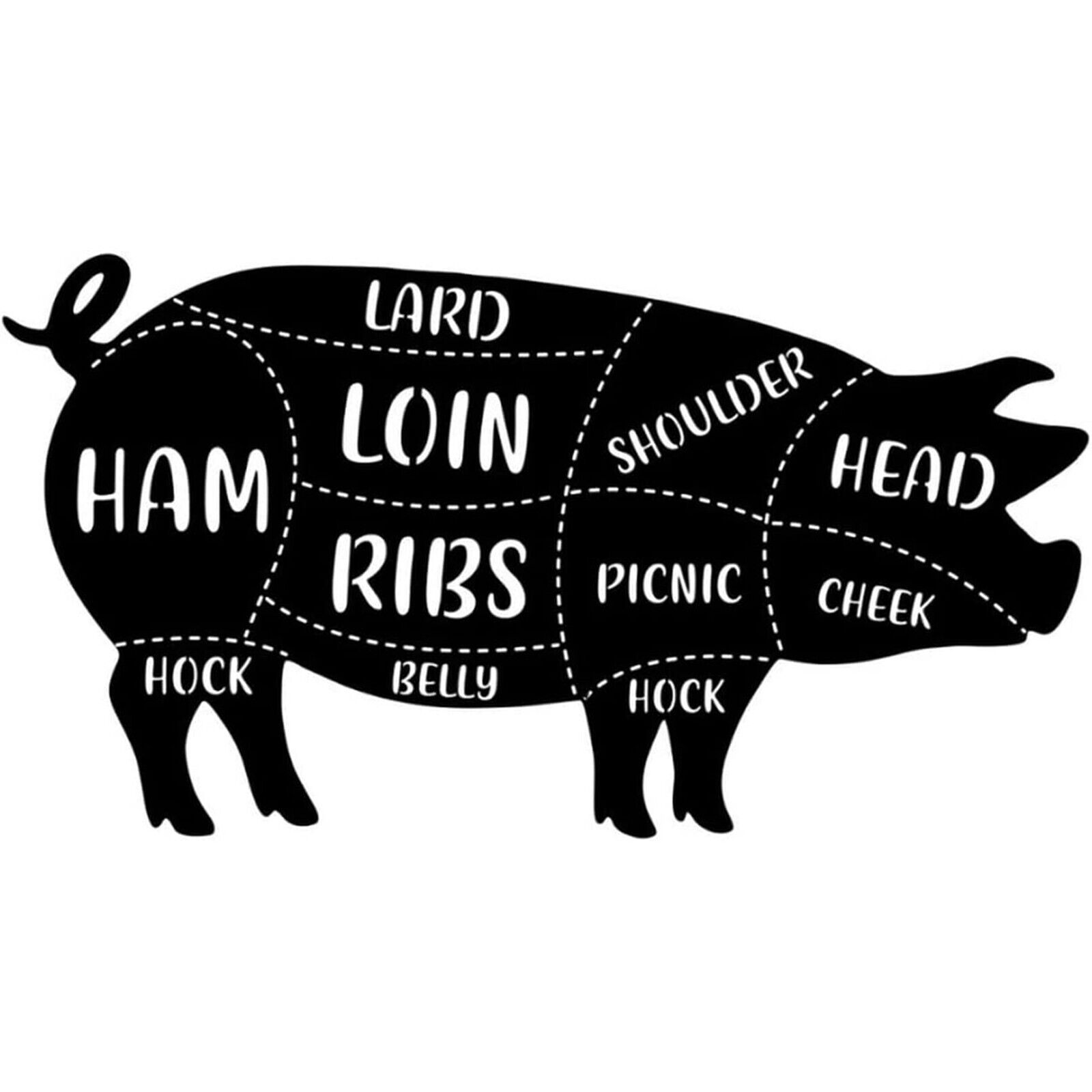
    Pork belly, the cut from which bacon is made, is a staple in many cuisines worldwide. Its popularity spans continents, from the savory bacon in American breakfasts to the succulent slices in Korean samgyeopsal. This widespread demand underpins the global trade of pork belly, making it a valuable commodity in the international market.

    Key Players in Pork Trade

    Several countries lead the charge in the production and export of pork belly. Notably, the United States, European Union, and Canada are significant exporters. They have well-established pork industries capable of meeting both domestic and international demands. On the import side, countries like Japan, South Korea, and China are prominent players. Their high consumption rates drive the need for imports, particularly from countries with surplus production.

    Market Dynamics and Trends

    The pork market is influenced by various factors, including dietary trends, health concerns, and cultural preferences. Economic factors such as currency exchange rates, trade agreements, and tariffs also play a crucial role. For instance, trade disputes can lead to tariffs that impact the flow of pork belly between countries, affecting prices and supply chains.

    Environmental and health factors, like outbreaks of diseases such as African Swine Fever (ASF), can significantly disrupt pork belly trade. These outbreaks can lead to culling of swine herds, affecting supply and, subsequently, international trade dynamics.

    Challenges and Opportunities

    Exporting nations face challenges like maintaining product quality during transport, adhering to the importing countries’ food safety standards, and dealing with the volatility of commodity prices. Conversely, there are opportunities in exploring new markets, improving sustainable and ethical farming practices, and adapting to changing consumer preferences.

    For importing nations, challenges include dependency on external markets for supply and potential fluctuations in import costs. Opportunities lie in diversifying import sources and investing in domestic pork production to reduce reliance on imports.

    The Impact of COVID-19 Pandemic

    The COVID-19 pandemic has significantly impacted the commodity trade. Supply chain disruptions, changes in consumer behavior, and shifts in trade policies have all played a role in altering the landscape of pork belly imports and exports.

    Looking Ahead

    As we look to the future, the pork belly market is expected to continue evolving. Factors like global economic recovery post-pandemic, changing dietary trends, and technological advancements in pork production and transportation will shape the future of pork belly trade.

    Conclusion: A Vital Commodity in Global Trade

    In conclusion, pork’s role in global trade is complex and multifaceted. As a commodity, it not only satisfies culinary tastes but also represents significant economic value for countries involved in its trade. Understanding the dynamics of pork imports and exports is crucial for stakeholders in this market, from farmers to traders and policymakers, as they navigate the challenges and capitalize on the opportunities in this ever-changing landscape.

    Photo by amit Majhi on Unsplash

  • Chicken Feet Craze: China’s Growing Demand and Global Trade Dynamics

    Chicken Feet Craze: China’s Growing Demand and Global Trade Dynamics

    Welcome to another insightful post on CommodityTrader.com. Today, we’re delving into an intriguing and perhaps surprising trend in the global food commodities market – the soaring demand for chicken feet in China. This niche product, often overlooked in many Western countries, has become a culinary delicacy and a significant import item in China. Let’s explore why this is happening, where China is sourcing from, and the steps necessary for exporting chicken parts to this vast market.

    Why the Surge in Demand?

    Cultural Preferences and Culinary Traditions

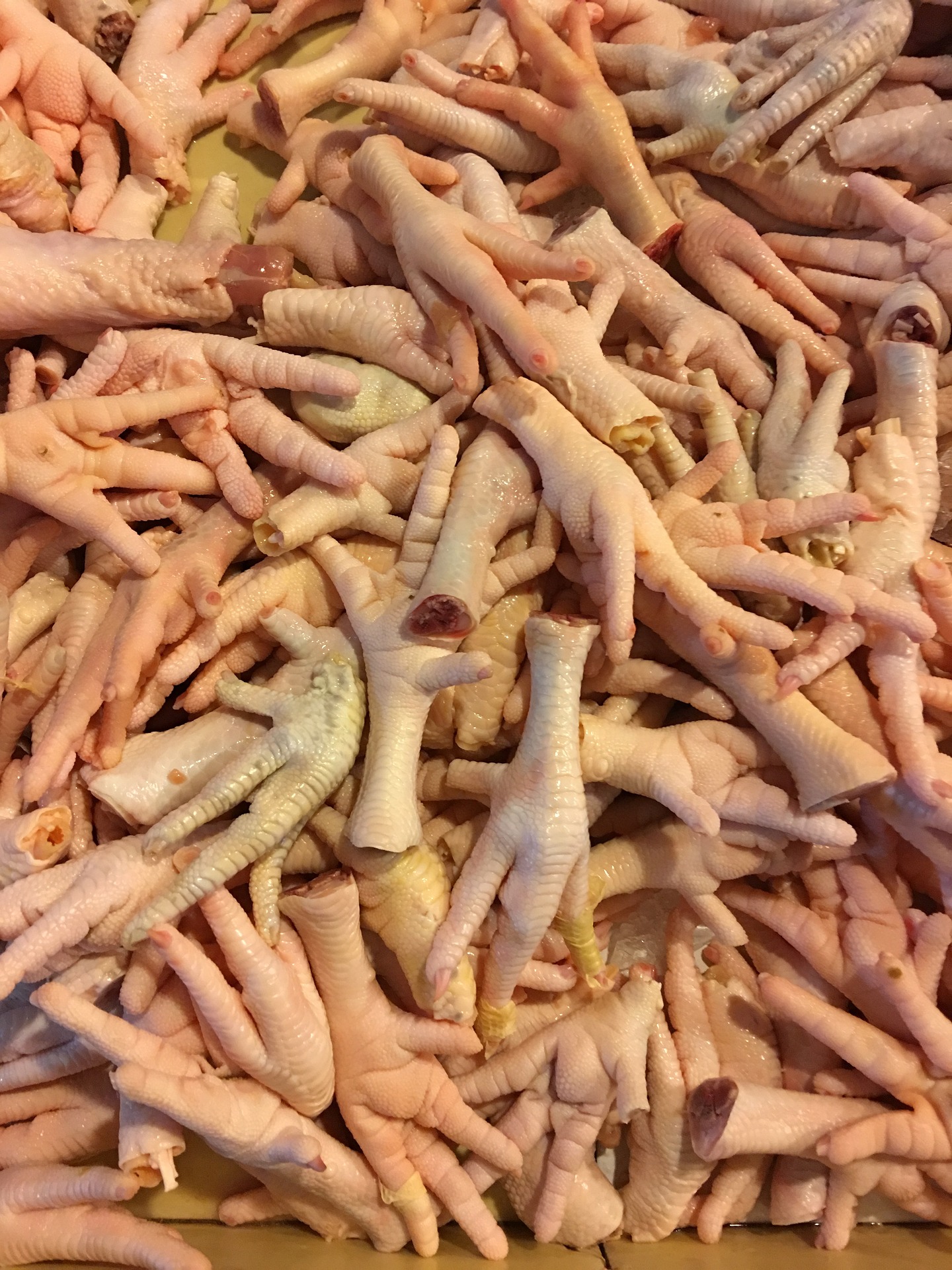
    • In China, chicken feet, known as “phoenix claws,” are a prized delicacy. They are savored for their unique texture and flavor and are a staple in dim sum and various traditional dishes.
    • This culinary preference dates back centuries and is deeply embedded in Chinese cuisine and culture.

    Health Perceptions

    • Chicken feet are believed to have health benefits, including being rich in collagen, which is thought to promote skin health and joint mobility.

    Key Sources of Import

    China’s domestic production of chicken does not meet its massive demand, leading to significant imports. The major exporters to China include:

    The United States

    • The U.S. has been a key supplier, although trade dynamics have been influenced by tariffs and trade policies in recent years.

    Brazil and Argentina

    • South American countries, particularly Brazil and Argentina, have become significant exporters of chicken feet to China. Their poultry industries are well-established and meet the stringent quality standards required by Chinese importers.

    Steps for Exporting Chicken to China

    Understanding Market Requirements

    • Compliance with China’s food safety and quality standards is crucial. This includes meeting specific health and safety regulations and obtaining necessary certifications.

    Establishing Supply Chains

    • Securing a reliable supply of high-quality chicken feet is essential. This often involves partnering with large poultry processors who can provide consistent quality and volume.

    Navigating Trade Policies

    • Exporters must stay informed about the latest trade policies, tariffs, and bilateral agreements between their home country and China.

    Building Relationships

    • Establishing strong relationships with Chinese importers and understanding the nuances of Chinese business culture is key to long-term success.

    Logistics and Shipping

    • Efficient logistics and cold chain management are crucial for transporting a perishable product like chicken feet across long distances.

    Economic Impacts

    For Exporting Countries

    • The demand for chicken feet, which are less valued in many Western countries, has opened up lucrative markets for poultry processors in these regions.

    For China

    • Importing chicken feet helps satisfy local demand and contributes to the diversity of the Chinese culinary scene.

    Conclusion

    The growing demand for chicken feet in China is a fascinating example of how specific cultural tastes can shape global trade dynamics. For exporters, tapping into this market requires a thorough understanding of regulatory standards, effective supply chain management, and cultural sensibilities.

    At CommodityTrader.com, we provide the insights and guidance needed to navigate these unique market opportunities. Whether you’re an established trader or looking to explore new markets, understanding the complexities of commodities like chicken feet is key to success in the global trade arena.

  • Livestock Commodity Trade: Market Facts and Figures

    Livestock Commodity Trade: Market Facts and Figures

    Welcome to another insightful blog post at Commodity Trader. Today, we delve into the world of livestock commodity trading, a sector that plays a pivotal role in the global agricultural market. Livestock commodities, including cattle, swine, and poultry, are not just essential for food production but also represent a significant portion of the world’s trade in agricultural commodities. Let’s explore some key facts and figures to understand this market better.

    The Global Livestock Market: An Overview

    The livestock market encompasses the trading of animals primarily raised for consumption, such as beef, pork, and poultry. This market also includes by-products like dairy and eggs. As of recent estimates, the global livestock market is valued at hundreds of billions of dollars, underscoring its importance in global trade and economy.

    Key Players in the Livestock Trade

    The United States, Brazil, and the European Union are among the top producers and exporters of livestock commodities. For instance, the U.S. and Brazil are leading exporters of beef, while the EU is a major player in the dairy sector. China, being the world’s largest pork consumer, plays a significant role in shaping the pork market.

    Market Dynamics

    Demand and Supply Fluctuations:

    • The livestock market is heavily influenced by global demand, dietary trends, and population growth.
    • Supply can be impacted by factors such as animal diseases (like African Swine Fever), which have significantly affected pork production in Asia.

    Price Volatility:

    • Livestock commodities experience price volatility, affected by feed costs, weather conditions, and trade policies.
    • The U.S.-China trade war, for instance, had a substantial impact on soybean prices, which in turn affected the cost of animal feed and livestock prices.

    Technological Advancements:

    • Technology plays a key role in the livestock market, from genetic improvements in breeding to advancements in farming practices and logistics.

    Environmental and Ethical Considerations

    The livestock sector faces scrutiny regarding environmental and ethical issues. Greenhouse gas emissions, land use, and water consumption are significant environmental concerns. Ethical considerations like animal welfare and sustainable farming practices are increasingly influencing consumer choices and market trends.

    Trade Figures and Statistics

    • Beef Trade: The global trade in beef and veal has been steadily increasing, with countries like Brazil and Australia leading exports.
    • Pork Trade: Despite challenges like African Swine Fever, global pork trade remains robust, driven by demand in countries like China and Japan.
    • Poultry Trade: Poultry is one of the most traded meat types due to its affordability and widespread acceptance across cultures.

    Future Trends

    Looking ahead, the livestock market is poised for transformation. Trends to watch include:

    • Shift to Sustainable Practices: The adoption of sustainable and ethical farming practices will likely grow.
    • Alternative Proteins: The rise of plant-based and lab-grown meats could reshape the market dynamics.
    • Increased Regulation: The sector might see more stringent regulations focusing on environmental impact and animal welfare.

    Conclusion

    The livestock commodity trade market is a complex and dynamic sector with far-reaching impacts. As global populations grow and dietary patterns evolve, understanding the intricacies of this market becomes crucial for traders and investors. At CommodityTrader.com, we provide the insights and analysis you need to navigate these changes and identify opportunities in the livestock commodity market. Stay tuned for more updates and in-depth analysis of various commodity markets.