Category: Energy

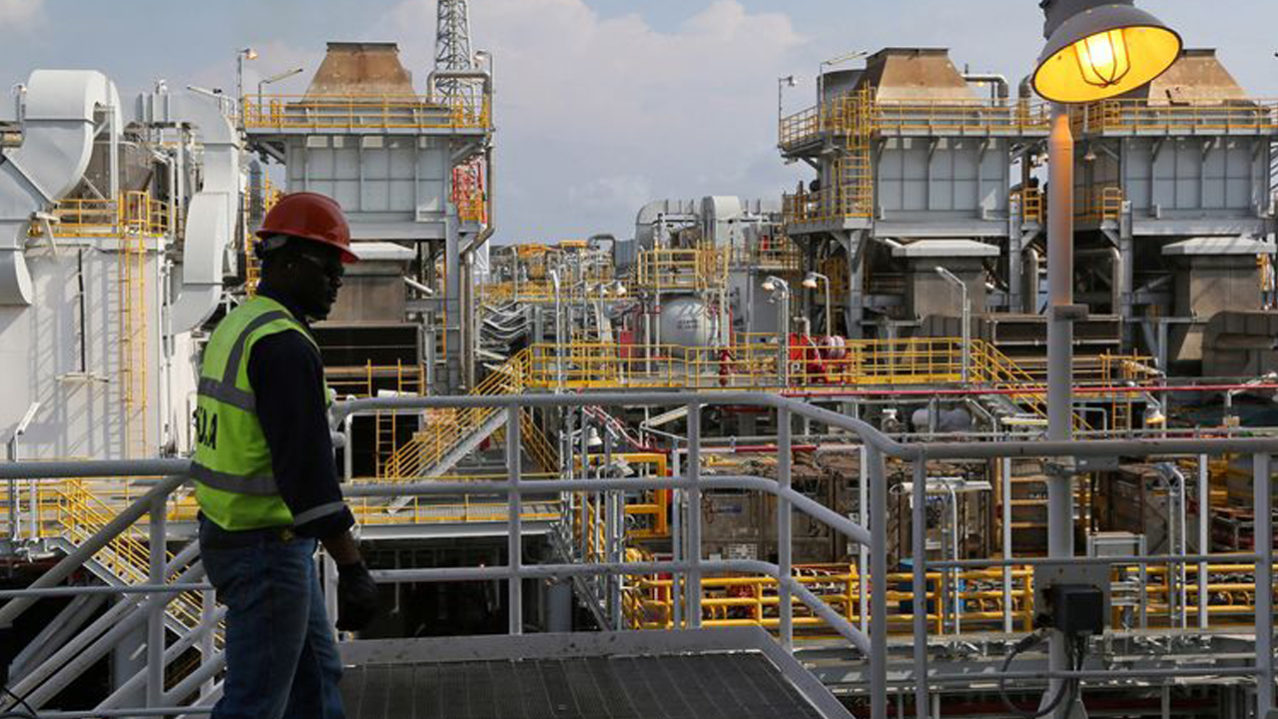
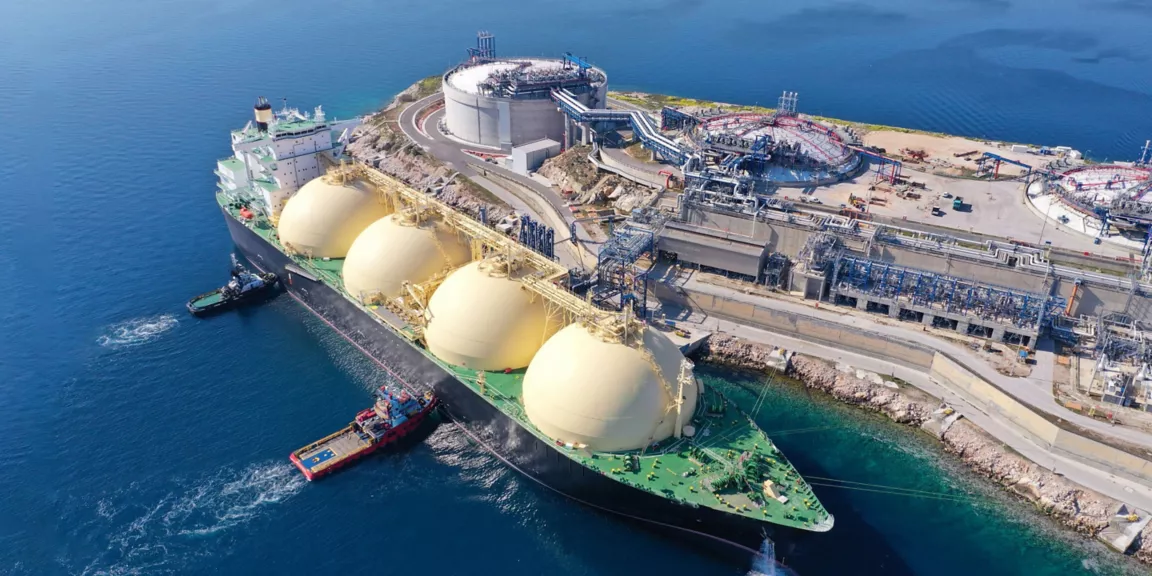
A critical sector, energy commodities include crude oil, natural gas, gasoline, and heating oil. These commodities are essential for global energy needs and are closely monitored for their impact on the global economy. Fluctuations in energy commodity prices can significantly influence economic conditions worldwide.

  • Aviation Turbine Jet Fuel A1

    Aviation Turbine Jet Fuel A1

    COMMODITY: AVIATION TURBINE FUEL JET A1

    Procedures 
     
    COMMODITY: AVIATION TURBINE FUEL JET A1
     
    TERMS OF PURCHASE: FOB ROTTERDAM
     
    ORIGIN: KAZAKHSTAN/NON-SANCTIONED
     
    SPOT TRIAL QUANTITY: 2,000,000 BARRELS
     
    CONTRACT QUANTITY: 6,000,000 BARRELS MONTHLY X 12 MONTHS
     
    PRICE FOB: US$88.00 GROSS, US$86.00 NET PER BARRELS
     
    TERMS: SPOT & 12 MONTHS CONTRACT
     
    DELIVERY: FOB ROTTERDAM PORT (TANK TO TANK)
     
    INSPECTION: SGS/ INTERTEK
     
    PAYMENT: MT103/TT
     
    COMMISSION: $2.00 PER BARRELS (SHARED 50/50 BETWEEN SELLER SIDE & BUYER SIDE).
     
     
    FOB ROTTERDAM TANK-TO-TANK PROCEDURE AGREEMENT (TTT)
     

    1. Buyer accepts Seller working procedure and issue ICPO addressed to the Seller along with Buyer’s Valid and confirmable Tank Storage Agreement (TSA) from a Major Storage Company.
       
    2. Seller issues Commercial Invoice (CI) and Buyer signs and returns back Commercial Invoice to Seller.
       
    3. Seller provide the Buyer with the below-listed Partial Proof of Product (PPOP):
       
      A. Product Passport (Product Analysis Report)
      B. Authorization to verify (ATV) via email or call
      C. Commitment Letter to Supply
      D. Authorization to Sell and Collect (ATSC)
      E. Tank to Tank Injection Agreement (TTTIA) to be signed by Buyer and Buyer’s Tank farm.
       
    4. Seller registers the TTTIA with the Terminal Authority on Seller’s expense and provides the Buyer with Unconditional Dip Test Authorization (UDTA), SGS and Injection Report.
       
    5. Within 24 hours after successful confirmation of Q&Q and Injection Report, Seller proceeds for Tank-to-Tank Injection of the product to Buyer’s Tank and provide the Buyer with the update Injection Report of the product into Tanks.
       
    6. Buyer orders Inspection Team to conduct Dip Test, and after successful Dip Test, Seller issues payment invoice and Buyer within 24 hours makes the payment for a total cost of product injected into Buyer tanks via MT103/TT. Seller transfer Title Ownership to the Buyer with all Exportation Documents required of the Buyer for the transaction.
       
    7. Upon conclusion of first lift transaction, the Seller pays all Intermediaries involved in the Transaction and proceeds with the signing of the Contract with Buyer.

  • Navigating the Coal Conundrum: China’s Sustained Demand and the Global Shift

    Navigating the Coal Conundrum: China’s Sustained Demand and the Global Shift

    The Paradox of Coal Consumption in China

    In the global energy matrix, coal has long been a staple, particularly in China, the world’s largest consumer of this fossil fuel. Despite global efforts to transition to cleaner energy sources, China’s demand for coal has been significant, accounting for over half of the global coal demand. This blog post explores the dynamics of China’s coal consumption, the recent surge in imports, and the broader implications for commodity traders and the global energy market.

    China’s Coal Demand: A Persistent Force

    According to the International Energy Agency (IEA), China’s coal demand was poised to grow by about 3.5% to 4,679 million tons in 2023, driven by increases in both the power sector (up 4.5%) and non-power uses. This growth underscores China’s ongoing reliance on coal as a critical energy source, despite the global push for decarbonization.

    A Peak on the Horizon?

    The IEA has also suggested that global coal demand may have reached its zenith in 2023, anticipating a decline of approximately 2% over the following three years. Specifically, China’s coal demand is expected to decrease in 2024 and stabilize through 2026. This forecast presents a complex scenario for commodity markets, indicating a potential shift in China’s energy consumption patterns.

    Record Imports Amidst Predictions of Decline

    Contrasting with predictions of declining demand, China’s coal imports surged by 61.8% to a record high in 2023. This spike, reported by Reuters, signals China’s acute need for coal, further complicated by Sinopec’s forecast that the nation’s coal consumption would peak around 2025 at 4.37 billion metric tons. These developments highlight the intricate balance China must maintain between energy security, economic growth, and environmental commitments.

    Canada’s Role in China Coal Market

    Canada emerges as a significant player in this scenario, with its coal exports to China reaching $7.7 billion in 2021. The momentum continued into the first half of 2022, with coal exports to China nearly doubling in value compared to the same period in 2021, totaling $2.19 billion. This burgeoning trade relationship underscores Canada’s strategic position in the global coal market and China’s diversified approach to securing coal supplies.

    Implications for Commodity Traders

    For commodity traders, China’s coal market presents both opportunities and challenges:

    • Market Volatility: The fluctuations in China’s coal demand and import patterns could lead to market volatility, affecting global coal prices.
    • Strategic Trading: Traders need to closely monitor China’s energy policies, import regulations, and shifts towards renewable energy to adapt their strategies accordingly.
    • Diversification: The potential peak and subsequent stabilization of China’s coal demand underscore the importance of diversification, both in terms of markets and energy commodities.

    Conclusion: A Transition in Motion

    China’s coal consumption narrative is emblematic of the broader energy transition challenges facing the world. While the country’s historical and current demand for coal remains substantial, signs of change are on the horizon. For commodity traders, navigating this transition will require agility, foresight, and a nuanced understanding of the interplay between energy security, economic development, and environmental sustainability. As the global community moves towards cleaner energy sources, the role of coal in China and beyond will continue to evolve, shaping the future of the commodity trading landscape.

  • Nigeria’s Influence in the Global Crude Oil Market

    Nigeria’s Influence in the Global Crude Oil Market

    A Key Player in the World’s Oil Economy

    Nigeria, with its significant role in the global crude oil market, represents a pivotal aspect of the world’s energy landscape. As of 2021, it stood as the 7th largest exporter of crude petroleum globally, with its exports totaling a staggering $41.8 billion. This blog post delves into the dynamics of Nigeria’s crude oil market, its economic impact, and its position in the international oil industry.

    Nigeria’s Crude Oil Export Dynamics

    Nigeria’s crude oil exports are a cornerstone of its economy, underpinning its financial stability and international trade relationships. In 2021, the main destinations for Nigeria’s crude petroleum were India, Spain, the United States, France, and South Africa, with India emerging as the largest importer. This diverse export market demonstrates Nigeria’s strategic importance in fulfilling the global demand for crude oil.

    Recent Export Performance and Production Data

    Between April and June 2023, Nigeria exported approximately 5.6 trillion Nigerian naira (about seven billion U.S. dollars) worth of crude oil. This figure highlights the continuing significance of oil exports to the Nigerian economy. In terms of production, Nigeria’s crude oil output averaged 1,138,000 barrels per day (b/d) in 2021, and the country boasts proven crude oil reserves of 36,967 million barrels, further solidifying its standing in the global oil market.

    Economic and Global Significance

    The magnitude of Nigeria’s crude oil exports not only contributes substantially to its national economy but also positions the country as a major player in the global oil industry. The revenue generated from these exports is vital for Nigeria’s fiscal health, funding a significant portion of its government budget.

    Challenges and Opportunities

    Despite its strong position, Nigeria’s oil sector faces challenges such as infrastructure issues, regulatory uncertainties, and security concerns in oil-producing regions. Addressing these challenges could further enhance Nigeria’s efficiency and reliability as a key global oil supplier.

    Future Outlook for Nigeria

    Looking ahead, Nigeria’s role in the global crude oil market is likely to remain significant, especially as global energy demands continue to evolve. The country’s vast reserves and current export capacity position it well to continue influencing global oil prices and supply dynamics.

    Conclusion: A Strategic Player in Global Energy

    In conclusion, Nigeria impact on the global crude oil market is both profound and multifaceted. As commodity traders and global energy stakeholders monitor the shifts in the oil industry, Nigeria’s exports, production capacity, and reserve levels remain critical factors to watch. Understanding Nigeria’s oil market dynamics is essential for those engaging in global energy trading and for anyone interested in the broader economic and geopolitical implications of the oil industry.

    Citations:

  • Mexico’s Ascendancy in Global LNG Exports: A New Era in Energy Trade

    Mexico’s Ascendancy in Global LNG Exports: A New Era in Energy Trade

    A Shift in Global LNG Dynamics

    In a significant shift in the global energy landscape, Mexico is projected to surpass Canada in liquefied natural gas (LNG) exports. This development marks a pivotal moment for Mexico, positioning it as a key player in the global energy market. This blog post explores the factors behind Mexico’s rising prominence in LNG exports and its implications for commodity traders and the global LNG market.

    Mexico’s Growing LNG Export Capacity

    Mexico’s ascent in the LNG export hierarchy is underpinned by substantial investments in LNG export infrastructure. Several new LNG export terminals are under construction, primarily fueled by natural gas imported from the United States. These developments are not just enhancing Mexico’s export capacity but also changing the dynamics of North American energy trade.

    The Role of US Gas in Mexico’s LNG Projects

    Mexico’s reliance on US gas for its LNG projects is a critical aspect of this growth story. This interdependence raises questions about the potential impacts on the domestic gas supply in the US and the competitiveness of Mexican LNG on the global stage. With the US being a major natural gas producer, this symbiotic relationship underscores the integrated nature of North American energy markets.

    Mexico vs. Canada: A Comparative Perspective

    In contrast to Mexico’s aggressive expansion in LNG exports, Canada has faced challenges in fully leveraging its vast natural gas reserves for LNG export. Factors such as regulatory hurdles, political challenges, and environmental concerns have slowed Canada’s entry into the global LNG market. This has contributed to Mexico overtaking Canada in LNG export capacity, a notable shift given Canada’s extensive natural gas resources.

    The Implications for the Global LNG Market

    Mexico’s rise as a significant LNG exporter has several implications:

    • Diversification of Global Supply: Mexico’s entry adds a new dimension to the global LNG supply, potentially leading to more competitive pricing and greater availability of LNG in international markets.
    • Energy Security: With increased LNG exports, Mexico can play a crucial role in meeting the energy security needs of various countries, particularly those looking to diversify their energy sources.
    • Impact on North American Energy Dynamics: The expansion of LNG exports from Mexico could influence natural gas prices and availability in the North American market.

    Opportunities for Commodity Traders

    For commodity traders, Mexico’s burgeoning LNG export industry presents new opportunities:

    • Trading in LNG Contracts: There may be increased opportunities for trading in LNG futures, options, and over-the-counter contracts.
    • Investment in Infrastructure: The growth in Mexico’s LNG export capacity might open up investment opportunities in related infrastructure and services.

    Conclusion: A New Chapter in Energy Trade

    Mexico’s projected surpassing of Canada in global LNG exports signifies a new chapter in the energy trade narrative. For commodity traders, this shift offers both challenges and opportunities. Staying abreast of developments in the LNG market, particularly in North America, will be crucial for those looking to capitalize on these emerging trends in the global energy landscape.

  • Alberta’s Energy Exports: A Global Perspective on Trade and Markets

    Alberta’s Energy Exports: A Global Perspective on Trade and Markets

    Harnessing Alberta Energy Wealth for Global Trade

    Alberta, Canada’s powerhouse of energy production, plays a pivotal role in the international energy market. Rich in natural resources, Alberta’s energy exports encompass a wide array of products, including crude oil, natural gas, and petrochemicals. In this blog post, we’ll explore the scale and scope of Alberta’s energy exports, examining the key importing countries and the approximate dollar values of these exports.

    Crude Oil: The Keystone of Alberta Exports

    Crude oil is arguably the most significant of Alberta’s energy exports, primarily sourced from its vast oil sands reserves. Alberta’s crude oil predominantly reaches international markets through extensive pipeline networks and rail transport.

    United States: The U.S. is the primary importer of Alberta’s crude oil, leveraging its geographical proximity and established pipeline connections. The dollar value of crude oil exports to the U.S. is substantial, often running into tens of billions annually.

    Other Markets: While the U.S. dominates as Alberta’s primary crude oil customer, efforts to diversify export markets have seen Alberta’s oil reaching different parts of the world, including Asia and Europe, albeit in smaller quantities.

    Natural Gas and LNG: Expanding Alberta’s Energy Reach

    Alberta is also a significant producer of natural gas, which it exports in both its raw form and as liquefied natural gas (LNG).

    United States: Again, the U.S. is a major importer of Alberta’s natural gas, using it for heating, electricity generation, and as an industrial feedstock. The dollar value of natural gas exports to the U.S. is also noteworthy, contributing significantly to Alberta’s economy.

    Asian Markets: With the global shift towards cleaner energy sources, Alberta’s LNG is finding a market in Asian countries. These exports, though currently limited, have the potential to grow significantly in value as global demand for LNG increases.

    Petrochemicals: Diversifying Alberta’s Export Portfolio

    Beyond raw energy products, Alberta is an exporter of various petrochemicals, derived from its abundant natural resources.

    International Markets: Petrochemicals from Alberta reach a diverse range of international markets. These products are used in various industries, from plastics manufacturing to pharmaceuticals.

    Dollar Values: The exact dollar values of petrochemical exports vary based on global market conditions and the specific products in question. However, they add a significant layer of diversification to Alberta’s energy export profile.

    Challenges and Opportunities

    Alberta’s energy exports face both challenges and opportunities. Market access issues, global oil price fluctuations, and the transition towards renewable energy sources are some of the challenges. However, opportunities arise in expanding into emerging markets, investing in LNG infrastructure, and exploring renewable energy exports.

    Conclusion: A Key Player in Global Energy

    In conclusion, Alberta’s role in the global energy market is significant. Its diverse range of energy products, from crude oil to natural gas and petrochemicals, caters to a wide array of international markets, with the U.S. being the predominant importer. As the world’s energy landscape evolves, Alberta’s energy sector is poised to adapt and continue its vital contribution to global energy trade. For commodity traders, keeping abreast of Alberta’s energy exports, market trends, and potential shifts in global energy policies is crucial for navigating this dynamic market.

    Photo by David Thielen on Unsplash

  • South Africa’s Coal Industry: A Key Player in Global Energy Markets

    South Africa’s Coal Industry: A Key Player in Global Energy Markets

    Unveiling the Powerhouse of Coal Production and Export

    As a resource-rich nation, South Africa stands tall as one of the seven largest coal-producing and one of the top five coal-exporting countries in the world. This distinction not only highlights South Africa’s pivotal role in the global coal industry but also underscores the importance of its coal exports in international energy markets. In this blog post, we’ll explore South Africa’s coal export landscape, including key importing nations, dollar values, prices, and shipping costs, providing valuable insights for commodity traders.

    South Africa’s Coal Dominance

    South Africa’s coal mining industry is a critical part of its economy and energy sector. More than a quarter of the coal mined in the country is destined for the international market. The majority of these exports depart from the Richards Bay Coal Terminal, the world’s largest coal export facility, which serves as a vital link between South African coal producers and the global market.

    Key Importing Nations

    South African coal finds its way to various corners of the globe. The primary importers include countries in Europe, Asia, and Africa. Notably, India, China, South Korea, and Japan are among the largest importers, driven by their substantial energy needs. European nations also feature prominently, with countries like the Netherlands and Germany relying on South African coal for their energy mix.

    Market Values and Prices

    The dollar value of South African coal exports represents a significant part of the country’s export revenue. However, the exact figures fluctuate based on global coal prices, exchange rates, and demand dynamics. As of the latest data available, South African coal prices varied, influenced by factors like coal grade, calorific value, and international market trends.

    For instance, thermal coal prices from South Africa might range significantly, reflecting variations in quality and market conditions. These prices are also subject to change due to geopolitical events, environmental policies, and shifts in global energy demand.

    Shipping Costs and Logistics

    Shipping costs play a crucial role in the coal export business. The cost of transporting coal from South Africa to international destinations varies based on several factors, including shipping routes, fuel prices, and freight rates. For example, the cost of shipping coal to Asia is influenced by maritime routes and the distance covered, whereas shipping to European destinations might incur different costs.

    The Richards Bay Coal Terminal’s efficiency and capacity significantly impact these logistics, as it dictates how quickly and effectively coal can be loaded onto ships and dispatched to various global destinations.

    Promoting Our Premium Coal Supplier: High-Quality Specifications Meet Global Demand

    Superior Coal from South Africa’s Richards Bay

    As we explore the dynamics of South Africa’s coal industry, it’s essential to highlight our supplier’s exceptional product offerings. Sourced directly from the renowned export terminals at Richards Bay, our coal meets the highest standards, ensuring satisfaction for a range of international clients. Let’s delve into the specifications that set our coal apart.

    RB1 and RB3 Coal: Exemplifying Excellence

    Our supplier specializes in providing two primary types of coal: RB1 and RB3. These varieties are not only popular in the market but also come with assurances of quality and performance.

    RB1 Coal Specifications:
    • Calorific Value (Basis): 6,000 kcal/kg NCV (Net Calorific Value)
    • Calorific Value (Minimum): 5,850 kcal/kg NCV
    • Total Moisture (ARB): Maximum of 12.0%
    • Volatile Matter (ARB): Minimum of 22.0%
    • Ash (ARB): Maximum of 15.0%
    • Sulphur (ARB): Maximum of 1.0%
    • Hardgrove Grindability Index (HGI): 45-70
    • Nominal Topsize: 50mm
    • Initial Deformation Temperature (IDT – Reducing Atmosphere): Minimum 1,250° C
    • Calcium Oxide in Ash (DB): Maximum 12.0%
    RB3 Coal Specifications:
    • Calorific Value (Basis): 5,500 kcal/kg NCV
    • Calorific Value (Minimum): 5,300 kcal/kg NCV
    • Total Moisture (ARB): Maximum of 14.0%
    • Volatile Matter (ARB): Maximum of 22.0%
    • Ash (ARB): Maximum of 23.0%
    • Sulphur (ARB): Maximum of 1.0%
    • Hardgrove Grindability Index (HGI): 45-70
    • Nominal Topsize: 50mm
    • Initial Deformation Temperature (IDT – Reducing Atmosphere): Minimum 1,250° C
    • Calcium Oxide in Ash (DB): Maximum 12.0%

    Flexible Trading Options

    We understand that market conditions and client needs vary. Therefore, we offer contracts that can be traded on a fixed price or on an index-linked basis, specifically referencing the API4 index. This flexibility allows our clients to choose the trading arrangement that best suits their risk management strategies and market predictions.

    Commitment to Quality and Consistency

    Our supplier’s commitment to delivering coal that consistently meets these specifications is unwavering. We understand that quality and reliability are paramount in the coal industry, and our sourcing from South Africa’s Richards Bay ensures that we provide coal that not only meets but often exceeds international standards.

    Conclusion: A Partner in Energy

    In conclusion, our supplier stands as a beacon of quality and reliability in the global coal market. With our RB1 and RB3 coal offerings, we are poised to meet the diverse needs of the international community, backed by the assurance of superior quality, flexible trading options, and consistent supply. For those in the commodity trading sector looking for a dependable coal source, our supplier represents an ideal choice, capable of fulfilling even the most demanding requirements.

    Photos by Joey Harris on Unsplash and Анатолий Стафичук from Pixabay

  • The Fast Track to Fuel Supply: Meeting Governmental Needs for EN590 Diesel and Gasoline

    The Fast Track to Fuel Supply: Meeting Governmental Needs for EN590 Diesel and Gasoline

    In the dynamic world of commodity trading, supplying large quantities of fuel to government entities is a complex but rewarding endeavor. A recent request we encountered at CommodityTrader.com involved the immediate supply of approximately 50,000 metric tons (MT) of EN590 Diesel and a similar quantity of Gasoline, with the contract extending over several months as specified by the buyer. In this blog post, we’ll outline the essential steps and documentation required to fulfill such a significant order, focusing on the urgency and continuity of supply.

    Step 1: Initial Agreement and Contract Negotiation

    Understanding Buyer Requirements

    • The first step is to have a clear understanding of the buyer’s requirements, including the quantity, quality specifications (such as EN590 for diesel), delivery timeline, and duration of the supply contract.

    Drafting the Agreement

    • A formal agreement or contract should be drafted, outlining all terms and conditions, including price, payment terms, delivery schedule, and specifications of the fuel.

    Step 2: Compliance and Approval

    Government Regulations

    • It’s crucial to comply with all relevant government regulations in both the supplier’s and buyer’s countries. This includes export-import laws, fuel quality standards, and any specific legal requirements for government contracts.

    Obtaining Necessary Approvals

    • Depending on the jurisdictions involved, specific government approvals or licenses may be required to export fuel.

    Step 3: Arranging Logistics

    Immediate Mobilization

    • Given the urgency of the request (10 to 15 days from the date of agreement), immediate steps must be taken to mobilize the fuel. This involves coordinating with refineries, storage facilities, and logistics companies.

    Continuous Supply

    • For ongoing monthly supplies, establish a reliable logistics chain that can sustain regular deliveries. This includes securing long-term agreements with shipping companies and ensuring consistent availability of the product.

    Step 4: Documentation and Legalities

    Essential Documents

    • Key documents include the Sales and Purchase Agreement (SPA), Proof of Product (POP), export and import licenses, shipping documents like the Bill of Lading, insurance documents, and Quality and Quantity (Q&Q) certificates.

    Letters of Credit

    • Secure a Letter of Credit (LC) from the buyer to guarantee payment. LCs are crucial in large-scale international commodity transactions.

    Step 5: Quality Assurance and Inspection

    Third-Party Inspection

    • Before shipment, a third-party inspection should be conducted to ensure the fuel meets the required specifications and standards.

    Continuous Quality Monitoring

    • For ongoing supplies, regular quality checks are essential to maintain the standards and fulfill the contract terms.

    Step 6: Delivery and Post-Delivery

    Timely Delivery

    • Ensure that the first delivery is made within the stipulated 10 to 15-day window. This sets a precedent for the reliability of future deliveries.

    Monthly Follow-Ups

    • After the initial delivery, regular follow-ups and coordination are necessary to maintain the monthly supply schedule.

    Feedback and Adjustments

    • Regular feedback from the buyer should be sought, and any necessary adjustments to the supply chain or product should be made promptly.

    Conclusion

    Supplying a large quantity of fuel to a government entity on an immediate and ongoing basis is a multifaceted process that requires meticulous planning, adherence to legal and quality standards, and efficient logistics. It is a task that demands attention to detail, reliability, and the ability to adapt to changing requirements. At CommodityTrader.com, we specialize in navigating these complexities, ensuring that our clients can fulfill such substantial and time-sensitive contracts effectively and efficiently. Whether you’re a seasoned trader or new to the world of commodity trading, understanding the intricacies of such transactions is crucial for success.

    Gasoline Photo by Christian Lue on Unsplash

  • The Top 10 Most Traded Commodities Worldwide

    The Top 10 Most Traded Commodities Worldwide

    Welcome to the latest entry on CommodityTrader.com! Today, we’re delving into an exciting topic – the top 10 most traded commodities in the world, along with their estimated trade figures. This list not only highlights the importance of these commodities in global trade but also gives us a glimpse into the massive scale of transactions they represent. Let’s dive in!

    1. Crude Oil: The Undisputed King

    Estimated Trade Value: $1.7 Trillion

    Crude oil, often termed “black gold,” sits at the top of our list. It’s the most traded commodity due to its crucial role in energy production. The volatility in oil prices, driven by geopolitical tensions and supply-demand dynamics, contributes to its high trade value.

    2. Coffee: The Global Morning Brew

    Estimated Trade Value: $100 Billion

    Coffee beans come in as the second most traded commodity. With its widespread popularity and the growing culture around coffee consumption, the trade value of coffee beans has skyrocketed, making it a staple in commodity markets.

    3. Natural Gas: Energy’s Cleaner Alternative

    Estimated Trade Value: $300 Billion

    As the world shifts towards cleaner energy sources, natural gas has become increasingly important. Its role in electricity generation and heating makes it a highly traded commodity.

    4. Gold: The Eternal Asset

    Estimated Trade Value: $170 Billion

    Gold has been a symbol of wealth and a store of value for centuries. Its appeal as an investment and a hedge against inflation keeps its trade volume high.

    5. Brent Oil: Europe’s Benchmark

    Estimated Trade Value: $80 Billion

    Brent oil, a major trading classification of sweet light crude oil, serves as a major price benchmark for Atlantic basin crude oils. It is extracted from the North Sea.

    6. Steel: The Backbone of Industry

    Estimated Trade Value: $500 Billion

    Steel, an alloy of iron and carbon, is essential for construction, infrastructure, and manufacturing. Its versatility and demand across various industries contribute to its high trade volume.

    7. Corn: More Than Just Food

    Estimated Trade Value: $50 Billion

    Corn is not just a staple food; it’s also used in biofuels (like ethanol), animal feed, and various industrial applications. The versatility of corn makes it a highly traded commodity.

    8. Soybeans: The Versatile Bean

    Estimated Trade Value: $60 Billion

    Soybeans are a vital commodity due to their use in animal feed, cooking oil, and even biodiesel. The U.S., Brazil, and Argentina are key players in soybean trade.

    9. Copper: Conducting Global Growth

    Estimated Trade Value: $120 Billion

    Copper’s role in electrical wiring, plumbing, and telecommunications makes it a key industrial metal. Its demand, particularly in emerging markets, keeps its trade figures robust.

    10. Aluminum: The Lightweight Metal

    Estimated Trade Value: $90 Billion

    Aluminum’s properties, such as lightweight and resistance to corrosion, make it invaluable in industries like transportation, packaging, and construction.

    Conclusion

    These commodities are the lifeblood of the global economy, driving trade across continents. Their estimated trade values reflect not only their individual importance but also the interconnectedness of global markets. In commodity trading, staying abreast of market trends and shifts in these commodities can provide crucial insights for traders and investors alike.

    At CommodityTrader.com, we’re committed to keeping you informed and ahead in the dynamic world of commodity trading. Whether you’re a seasoned trader or just starting, understanding these key commodities is essential to navigating the markets successfully.

    Photo by Arvind Vallabh on Unsplash