The global shift towards renewable energy sources has opened up innovative pathways for commodity traders and investors, particularly in the realms of Renewable Energy Certificates (RECs) and carbon emissions credits. Solar farms, pivotal in this green revolution, are not just producing clean energy but also generating valuable certificates and credits. This blog post explores the burgeoning market of RECs and carbon emissions credits from solar farms, offering insights into how they work, their benefits, and the opportunities they present.
Understanding RECs and Carbon Emissions Credits
Renewable Energy Certificates (RECs): A REC represents proof that one megawatt-hour (MWh) of electricity was generated from a renewable energy source and fed into the grid. These certificates can be sold or traded and are used by businesses and utilities to prove they have supported renewable energy production, even if the physical electricity they use comes from a different source.
Carbon Emissions Credits: These credits are essentially permits that allow the holder to emit a certain amount of carbon dioxide or other greenhouse gases. They are part of cap-and-trade systems, which aim to reduce emissions by setting a cap on the total amount allowed and then permitting companies to buy, sell, or trade credits. Solar farms can generate these credits by offsetting traditional carbon-emitting energy sources.
The Role of Solar Farms
Solar farms play a crucial role in this ecosystem by providing a clean and renewable source of energy. By generating electricity from solar power, these farms contribute to reducing reliance on fossil fuels, thereby cutting down carbon emissions. The energy produced is quantified into RECs, while the reduction in carbon emissions translates into carbon credits. Both these instruments can be traded in their respective markets, offering a dual revenue stream for solar farm operators and investors.
Benefits of Investing in Solar RECs and Carbon Credits
Environmental Impact: Investing in or trading RECs and carbon credits from solar farms directly contributes to reducing carbon footprints and promoting renewable energy sources.
Regulatory Compliance: For companies subject to environmental regulations or committed to sustainability goals, purchasing RECs and carbon credits can help meet regulatory requirements and corporate sustainability objectives.
Market Opportunities: The growing demand for clean energy and the increasing imposition of carbon taxes and regulations worldwide are expanding the market for RECs and carbon emissions credits, presenting lucrative opportunities for traders and investors.
Navigating the Market
For commodity traders interested in RECs and carbon credits from solar farms, understanding market dynamics is crucial. Factors such as regulatory changes, technological advancements in solar energy, and fluctuations in the demand for renewable energy can impact prices and availability. Additionally, geographic considerations play a role since the value and recognition of RECs and carbon credits can vary significantly across different jurisdictions.
Challenges and Considerations
Despite the opportunities, several challenges persist, including market volatility, regulatory uncertainty, and the complexity of tracking and verifying the origin of RECs and carbon credits. Traders and investors must stay informed about market trends, regulatory developments, and best practices in sustainability and carbon accounting.
Conclusion: A Bright Future for Green Commodities
The market for RECs and carbon emissions credits from solar farms is at the forefront of the transition towards a more sustainable and low-carbon global economy. For commodity traders, these instruments offer a promising avenue to contribute to environmental goals while tapping into new investment and revenue streams. As the world continues to embrace renewable energy, the importance and value of solar-derived RECs and carbon credits are set to rise, illuminating a path towards a sustainable and profitable future in green commodities.
As Valentine’s Day approaches, a time when chocolate demand typically soars, the cocoa market has experienced a dramatic surge, reaching an all-time high. On Friday, cocoa futures closed at an astonishing $5,888.00 per ton, surpassing the previous day’s record. This sharp increase, with prices more than doubling over the last year and climbing by about one-third in just the past month, has sent ripples through the commodity trading world and the global chocolate industry.
Factors Behind the Price Surge
The current spike in cocoa prices can be attributed to several critical factors:
Worldwide Supply Shortages: A significant supply shortage has emerged as a leading driver of the price increase. With cocoa being a staple ingredient in chocolate production, any fluctuation in its supply directly impacts prices.
Adverse Weather Conditions: Unfavorable weather patterns in key cocoa-producing regions, especially in West Africa, have severely impacted cocoa crops. West Africa, accounting for approximately two-thirds of the world’s cocoa production, has faced challenging conditions that have hindered crop yields.
Tree Disease: Beyond weather adversities, diseases affecting cocoa trees have further exacerbated the supply constraints, contributing to the tightening of the global cocoa market.
The Impact on Valentine’s Day Chocolate
The timing of this price surge is particularly impactful, coming just ahead of Valentine’s Day, when chocolate consumption experiences a significant uptick. Chocolate manufacturers and retailers, already grappling with the challenge of maintaining supply amid growing demand, now face increased costs that could potentially be passed on to consumers.
Implications for Commodity Traders and the Chocolate Industry
For commodity traders, the volatile cocoa market presents both opportunities and challenges:
Opportunities for Strategic Trading: The current market conditions offer potential gains for traders who can navigate the volatility effectively. The ability to anticipate market movements and hedge appropriately can yield substantial returns.
Challenges in Price Forecasting: The unpredictability of supply shortages, weather conditions, and disease outbreaks makes it difficult to forecast future cocoa prices accurately. This uncertainty requires traders to be agile and well-informed to mitigate risks.
Impact on the Chocolate Industry: Chocolate manufacturers may need to explore strategies to absorb or offset the increased costs, such as adjusting product pricing, exploring alternative supply sources, or reformulating products.
Strategies Moving Forward
In response to these market dynamics, commodity traders and chocolate industry stakeholders might consider several strategies:
Diversification of Supply Sources: Exploring cocoa supplies from regions less affected by adverse conditions could help mitigate supply risks.
Innovative Financial Instruments: Utilizing financial instruments such as options and futures contracts can provide some price stability and risk management for traders and manufacturers.
Sustainability and Disease Management: Investing in sustainable farming practices and disease-resistant cocoa tree varieties could help stabilize supply over the long term.
Conclusion: A Market in Flux
As the cocoa market navigates through this period of unprecedented prices, the implications ripple out to affect not just commodity traders but the entire chocolate industry and, ultimately, consumers. The situation underscores the complex interplay between agricultural production, global supply chains, and market demand. For those in the commodity trading sphere, staying informed and adaptable will be key to navigating the uncertain waters of the cocoa market in the days leading up to Valentine’s Day and beyond.
A Shift in Appetite: China’s Growing Hunger for Livestock
In recent years, China’s demand for livestock commodities has undergone a significant transformation, reflecting broader economic, demographic, and cultural shifts. This burgeoning demand has sent ripples across global markets, reshaping trade flows and production patterns. This blog post delves into the changing landscape of China’s appetite for livestock commodities and explores the main drivers behind this surge.
The Trajectory of Demand
Historically, China’s livestock consumption was predominantly centered around pork, the country’s staple meat. However, the past decade has witnessed a diversification and escalation in demand across a broader spectrum of livestock commodities, including beef, poultry, dairy, and seafood. This shift is not merely a phase but a reflection of deeper societal transformations.
Drivers of Increasing Demand
Several key factors contribute to the growing demand for livestock commodities in China:
Economic Growth and Urbanization: China’s rapid economic development and urbanization have led to increased household incomes, enabling more consumers to afford animal protein. Urban lifestyles also influence dietary preferences towards convenience and diversity, further boosting the demand for various types of meat and dairy products.
Population and Demographic Changes: With the world’s largest population, China’s sheer demographic scale plays a critical role in shaping demand. Additionally, a growing middle class with changing dietary preferences has shown a greater inclination towards protein-rich diets, including livestock commodities.
Health and Nutrition Awareness: Increased awareness about health and nutrition has led Chinese consumers to seek out quality protein sources, fueling demand for livestock commodities. This trend is bolstered by government nutritional guidelines promoting animal protein as a component of a balanced diet.
Food Security Concerns: Recent challenges, such as the African Swine Fever outbreak that decimated China’s pork production, have heightened concerns over food security. These concerns have prompted both government and consumers to diversify meat sources, leading to increased imports of beef, poultry, and other livestock commodities.
Globalization and Changing Food Culture: Exposure to global food cultures, through travel and media, has expanded Chinese consumers’ palates. There’s a growing interest in Western-style diets, which often feature a higher consumption of beef and dairy products, further driving demand.
The Impact on Global Markets
China’s escalating demand for livestock commodities has profound implications for global markets:
Increased Imports: To meet domestic demand, China has ramped up imports of livestock commodities, becoming a key market for many exporting countries. This has led to shifts in global trade patterns, with producers increasingly looking to tap into the Chinese market.
Price Fluctuations: The surge in demand from China can lead to price volatility in global markets, impacting both producers and consumers worldwide.
Sustainability Concerns: The growing demand for animal protein raises questions about sustainability and the environmental impact of increased livestock production, prompting discussions about more sustainable consumption and production practices.
Looking Ahead
As China’s demand for livestock commodities continues to evolve, both challenges and opportunities lie ahead for global producers, traders, and policymakers. Adapting to this changing landscape requires a nuanced understanding of the market dynamics at play and a strategic approach to navigating the complexities of global food systems.
In conclusion, the trajectory of China’s demand for livestock commodities is a testament to its economic growth, changing societal norms, and the interconnectedness of global markets. For commodity traders, staying ahead in this dynamic environment means closely monitoring these trends, understanding their implications, and strategically positioning to meet the changing demands of the Chinese market.
The outbreak of the Ukraine war marked a pivotal moment for global markets, significantly impacting the dynamics of commodity trading. Among these, the Dow Jones Commodity Index (DJCI), a key benchmark for the commodity market, has experienced notable fluctuations, reflecting the broader economic uncertainties and supply chain disruptions induced by the conflict. This blog post explores the impact of the Ukraine war on the DJCI and what it means for commodity traders.
The Immediate Impact on the DJCI
The onset of the Ukraine war brought immediate and significant repercussions for the DJCI, primarily due to the critical role that both Ukraine and Russia play in global commodity markets. Ukraine, often referred to as the “breadbasket of Europe,” and Russia, a major player in energy and metals, are essential suppliers of various commodities. As hostilities commenced, the DJCI responded to the uncertainties with volatility, particularly in the sectors most directly impacted by the conflict.
Sector-Specific Reactions
Energy: One of the most immediate effects was seen in the energy sector, with natural gas and crude oil prices experiencing sharp increases. Russia’s position as a leading energy exporter meant that any potential sanctions or disruptions in supply had immediate global ramifications.
Agricultural Commodities: The DJCI’s agricultural components also saw significant movements, given Ukraine’s status as a leading exporter of wheat, corn, and sunflower oil. The conflict raised fears of supply shortages, driving up prices in these markets.
Metals and Minerals: Metals, including palladium and nickel, for which Russia is a significant supplier, also witnessed price surges. The geopolitical tensions heightened concerns over the availability of these critical industrial metals.
The Longer-Term Trends
As the conflict has persisted, the DJCI has continued to reflect the evolving landscape of global commodity markets. Several key trends have emerged:
Inflationary Pressures: The war has contributed to inflationary pressures worldwide, with rising commodity prices feeding into broader economic systems. This inflationary trend has implications for central bank policies and global economic stability.
Supply Chain Diversification: The conflict has accelerated efforts to diversify supply chains, with commodity traders and consumers seeking more stable and reliable sources of essential goods. This shift is gradually being reflected in the pricing and volatility patterns within the DJCI.
Renewed Focus on Energy Transition: The energy sector’s volatility has underscored the importance of the global energy transition. There’s an increased interest in renewable energy commodities, which may influence the composition and focus of the DJCI in the future.
Implications for Commodity Traders
For commodity traders, the changes in the DJCI since the onset of the Ukraine war offer both challenges and opportunities:
Volatility Management: Traders must navigate the increased volatility, employing sophisticated risk management strategies to protect their positions.
Geopolitical Analysis: An in-depth understanding of geopolitical developments has become even more crucial, as these can have immediate impacts on commodity prices and availability.
Adaptability: The ability to adapt to rapidly changing market conditions, including diversifying portfolios and exploring emerging markets, is key to success in this new era.
Conclusion: A Dynamic Landscape
The Dow Jones Commodity Index performance since the Ukraine war began paints a picture of a commodity market at the crossroads of geopolitical tensions, economic uncertainties, and the accelerating pace of the energy transition. For commodity traders, staying informed, agile, and responsive to the shifts in the DJCI will be critical in navigating the complex landscape shaped by the ongoing conflict and its global repercussions.
In the global energy matrix, coal has long been a staple, particularly in China, the world’s largest consumer of this fossil fuel. Despite global efforts to transition to cleaner energy sources, China’s demand for coal has been significant, accounting for over half of the global coal demand. This blog post explores the dynamics of China’s coal consumption, the recent surge in imports, and the broader implications for commodity traders and the global energy market.
China’s Coal Demand: A Persistent Force
According to the International Energy Agency (IEA), China’s coal demand was poised to grow by about 3.5% to 4,679 million tons in 2023, driven by increases in both the power sector (up 4.5%) and non-power uses. This growth underscores China’s ongoing reliance on coal as a critical energy source, despite the global push for decarbonization.
A Peak on the Horizon?
The IEA has also suggested that global coal demand may have reached its zenith in 2023, anticipating a decline of approximately 2% over the following three years. Specifically, China’s coal demand is expected to decrease in 2024 and stabilize through 2026. This forecast presents a complex scenario for commodity markets, indicating a potential shift in China’s energy consumption patterns.
Record Imports Amidst Predictions of Decline
Contrasting with predictions of declining demand, China’s coal imports surged by 61.8% to a record high in 2023. This spike, reported by Reuters, signals China’s acute need for coal, further complicated by Sinopec’s forecast that the nation’s coal consumption would peak around 2025 at 4.37 billion metric tons. These developments highlight the intricate balance China must maintain between energy security, economic growth, and environmental commitments.
Canada’s Role in China Coal Market
Canada emerges as a significant player in this scenario, with its coal exports to China reaching $7.7 billion in 2021. The momentum continued into the first half of 2022, with coal exports to China nearly doubling in value compared to the same period in 2021, totaling $2.19 billion. This burgeoning trade relationship underscores Canada’s strategic position in the global coal market and China’s diversified approach to securing coal supplies.
Implications for Commodity Traders
For commodity traders, China’s coal market presents both opportunities and challenges:
Market Volatility: The fluctuations in China’s coal demand and import patterns could lead to market volatility, affecting global coal prices.
Strategic Trading: Traders need to closely monitor China’s energy policies, import regulations, and shifts towards renewable energy to adapt their strategies accordingly.
Diversification: The potential peak and subsequent stabilization of China’s coal demand underscore the importance of diversification, both in terms of markets and energy commodities.
Conclusion: A Transition in Motion
China’s coal consumption narrative is emblematic of the broader energy transition challenges facing the world. While the country’s historical and current demand for coal remains substantial, signs of change are on the horizon. For commodity traders, navigating this transition will require agility, foresight, and a nuanced understanding of the interplay between energy security, economic development, and environmental sustainability. As the global community moves towards cleaner energy sources, the role of coal in China and beyond will continue to evolve, shaping the future of the commodity trading landscape.
In 2020, Canada solidified its position as a global leader in sulphur exports, with sales reaching an impressive $190 million, making it the fifth-largest exporter of sulphur in the world. This remarkable achievement underscores Canada’s pivotal role in the sulphur market and its capacity to meet the growing international demand for this vital mineral. This blog post explores the factors behind Canada’s success in the sulphur industry and the global impact of its exports.
The Backbone of Canada’s Sulphur Industry
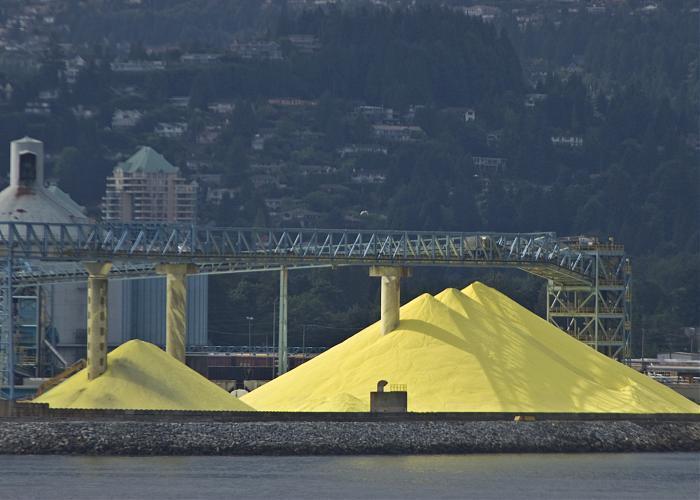
Canada’s vast natural resources and advanced infrastructure are key to its prominent status in the sulphur export market. The majority of Canadian sulphur is derived as a by-product of the natural gas industry, particularly from operations in Alberta, which stands as the country’s primary sulphur producer. British Columbia also contributes to sulphur production, albeit on a smaller scale.
Strategic Advantages
Several factors contribute to Canada’s competitive edge in the sulphur market:
Abundant Reserves: Canada’s rich natural gas fields are a significant source of sulphur, providing a steady supply to meet both domestic and international demands.
Advanced Mining and Transportation Infrastructure: The country’s well-developed mining sector and efficient transportation networks, including the strategic use of the Port of Vancouver, facilitate the seamless extraction, processing, and global distribution of sulphur.
Vancouver Wharves: Serving as a key storage and transshipment point, the Vancouver Wharves play a crucial role in managing Canada’s sulphur exports. Millions of tonnes of sulphur are handled here annually, awaiting shipment to various international markets, particularly in Asia.
Meeting the Global Demand
The global demand for sulphur is driven by its essential applications across various industries:
The Metal Industry: Sulphur is indispensable in the metal industry, particularly in the production of steel and other alloys. Its ability to enhance the properties of metals makes it a valuable commodity in industrial manufacturing processes.
The Chemical Industry: One of the largest consumers of sulphur is the chemical industry, where sulphur is a key ingredient in producing sulphuric acid, a critical component in manufacturing fertilizers, batteries, and many other products.
Canada’s Export Markets
Asia emerges as a significant destination for Canadian sulphur, driven by the region’s robust industrial growth and the consequent demand for sulphur and sulphuric acid. The strategic positioning of Canadian ports, particularly in British Columbia, facilitates direct access to Asian markets, enhancing the efficiency and cost-effectiveness of sulphur exports.
Challenges and Opportunities
While Canada’s sulphur industry enjoys many strategic advantages, it also faces challenges such as fluctuating global prices and environmental concerns related to sulphur extraction and processing. Addressing these challenges requires innovation and adherence to sustainable practices.
Conclusion: A Vital Contributor to Global Industries
Canada’s role as a leading sulphur exporter is a testament to its natural resource wealth and industrial capabilities. As the world continues to rely on sulphur for various critical applications, Canada’s sulphur exports is well-positioned to remain a key player in the global market. For commodity traders, understanding the dynamics of Canada’s sulphur exports and the factors driving demand in key markets is essential for capitalizing on the opportunities presented by this essential mineral.
SYDNEY–(BUSINESS WIRE)–Rio Tinto will provide an update today at its Investor Seminar on the world class Simandou iron ore project in Guinea, which is being progressed in partnership with CIOH, a Chinalco-led consortium, Winning Consortium Simandou1 (WCS), Baowu and the Republic of Guinea.
Simandou is the world’s largest untapped high-grade iron ore deposit. The Simfer joint venture’s2 mine concession held an estimated Total Mineral Resource as at 31 December 2022 of 2.8 billion tonnes, of which Rio Tinto is today reporting the conversion of an estimated 1.5 billion tonnes to Ore Reserves that support a mine life of 26 years, with an average grade of 65.3% iron3 and low impurities. Rio Tinto is also reporting Mineral Resources exclusive of Ore Reserves of 1.4 billion tonnes at 66.1% Fe and low impurities.
Rio Tinto estimates that its initial4 share of capital expenditure to develop the Simfer mine and the co-developed rail and port infrastructure project is approximately $6.2 billion5.
Rio Tinto Executive Committee lead for Guinea and Copper Chief Executive Bold Baatar said: “We are continuing to work closely with the Government of Guinea, Chinalco, Baowu and WCS towards full sanction of this world class project by all partners.
“Simandou will deliver a significant new source of high-grade iron ore that will strengthen Rio Tinto’s portfolio for the decarbonisation of the steel industry, along with trans-Guinean rail and port infrastructure that can make a significant contribution to the country’s economic development.”
In what will be the largest greenfield integrated mine and infrastructure investment in Africa, more than 600 kilometres of new multi-use rail together with port facilities will be co-developed by the Republic of Guinea, Simfer and WCS. This will allow the export of up to 120 million tonnes per year of mined iron ore by Simfer and WCS from their respective Simandou mining concessions6 in the southeast of the country.7
The co-developed infrastructure capacity and associated cost will be shared equally between Simfer, which will develop, own and operate a 60 million tonne per year8 mine in blocks 3 and 4 of the Simandou Project, and WCS, which is developing blocks 1 and 2.
Under the co-development arrangement, Simfer and WCS will deliver separate infrastructure scopes to leverage expertise9. Simfer will construct the approximately 70 km Simfer spur rail line and a 60 million tonne per year transhipment vessel (TSV) port, while WCS will construct the dual track approximately 536 km main rail line, the approximately 16km WCS spur rail line and a 60 million tonne per year barge wharf.
Once complete, all co-developed infrastructure and rolling stock will be transferred to and operated by the Compagnie du Transguinéen (CTG) joint venture, in which Simfer and WCS each hold a 42.5% equity stake and the Guinean State a 15% equity stake10.
First production from the Simfer mine is expected in 2025, ramping up over 30 months to an annualised capacity of 60 million tonnes per year (27 million tonnes Rio Tinto share). The mine will initially deliver a single fines product before transitioning to a dual fines product of blast furnace and direct reduction ready ore.
Simfer’s initial capital funding requirement for the Simandou project is estimated to be approximately $11.6 billion, of which Rio Tinto’s share is approximately $6.2 billion, broken down as follows5.
US dollars in billions (nominal terms)
Simfer capex11
Rio Tinto share
Mine and TSVs, owned and operated by Simfer
Developmentof an initial 60Mt/a mine at Simandou South (blocks 3 & 4), to be constructed by Simfer
$5.1
$2.7
Co-developed infrastructure, owned and operated by CTG once complete
Simfer scope (funded 100% by Simfer during construction)Rail: a 70 km rail-spur from Simfer mine to the mainline, including rolling stock Port: construction of a 60Mt/a TSV port
$3.5
$1.9
WCS scope (funded 34% by Simfer during construction)Port and rail infrastructure including an approximately 552 km trans-Guinean heavy haul rail system, comprised of a 536 km mainline and a 16 km WCS rail spur.
$3.0
$1.6
An IRR in the low double digits12 is anticipated for the combined Simfer mine and the co-developed infrastructure through ownership of CTG.
Rio Tinto’s share of capital investment remaining to be spent from 1 January 2024 is expected to be $5.7 billion. Rio Tinto’s expected funding requirements for 2024 and 2025, are included in its share of capital investment guidance for this period, with project funding expected to extend beyond this timeframe.
Rio Tinto expects its full year expenditure for 2023 to be around $0.9 billion to progress critical path works, including around $0.4 billion to be funded by CIOH after receiving Chinese regulatory approvals.
Full sanction of the project by the Rio Tinto Board is subject to remaining conditions being met, including joint venture partner approvals and regulatory approvals from China and Guinea.
Further details on the Simandou project can be found in the 2023 Investor Seminar presentation at www.riotinto.com/invest.
Simandou Mineral Resources and Ore Reserves13
Rio Tinto is reporting that the Proved Ore Reserves estimate for the Ouéléba deposit at Simandou contains 273 Mt at 66.4% Fe, 1.0% SiO2, 1.2% Al2O3 and 0.07% P and the Probable Ore Reserves estimate contains 1,226 Mt at 65.0% Fe, 0.9% SiO2, 1.8% Al2O3 and 0.10% P.
This Ore Reserves estimate has been made by the Competent Person and reported in accordance with the JORC Code as required by Simfer’s Mining Convention. We note that, consistent with the JORC Code, some elements are at pre-feasibility level and work continues to refine all elements to feasibility level consistent with Rio Tinto’s global practice.
Rio Tinto is also reporting Mineral Resources exclusive of Ore Reserves for the Ouéléba and Mineral Resources for Pic de Fon deposits at Simandou of 1,360 Mt at 66.1% Fe, 1.5% SiO2, 1.5% Al2O3 and 0.06% P consisting of Measured Mineral Resources of 153 Mt at 67.0% Fe, Indicated Mineral Resources of 460 Mt at 66.2% Fe and Inferred Mineral Resources of 746 Mt at 65.8% Fe. The Mineral Resources cut-off for reporting is Fe greater than or equal to 58% and Al2O3 + SiO2 less than or equal 8% and P less than or equal to 0.25%.
The declaration of the 1,499 Mt Ore Reserves estimate is as a result of the conversion of 1,469 Mt of undiluted Mineral Resources, inclusive of dilution, at Ouéléba.
Mineral Resources and Ore Reserves are quoted on a 100% basis. Rio Tinto ownership percentage is 45.05%.
The Simandou Mineral Resources and Ore Reserves tables are available here
LEI: 213800YOEO5OQ72G2R82
This announcement contains inside information.
This announcement is authorised for release to the market by Andy Hodges, Rio Tinto’s Group Company Secretary.
riotinto.com
1 WCS is currently a consortium of Singaporean company, Winning International Group (50%), Weiqiao Aluminium (part of the China Hongqiao Group) (50%) and United Mining Supply Group (nominal shareholding). WCS is the holder of Simandou North Blocks 1 & 2 (with the Government of Guinea holding a 15% interest in the mining vehicle and WCS holding 85%) and associated infrastructure. Baowu Resources has entered into an agreement to acquire a 49% share of WCS mine and infrastructure projects through a Baowu-led consortium, subject to conditions including regulatory approvals. In the case of the mine, Baowu has an option to increase to 51% during operations.
2 Simfer Jersey Limited is a joint venture between the Rio Tinto Group (53%) and Chalco Iron Ore Holdings Ltd (CIOH) (47%),a Chinalco-led joint venture of leading Chinese SOEs (Chinalco (75%), Baowu (20%), China Rail Construction Corporation (2.5%) and China Harbour Engineering Company (2.5%)). Simfer S.A. is the holder of the mining concession covering Simandou Blocks 3 & 4, and is owned by the Guinean State (15%) and Simfer Jersey Limited (85%). Simfer Infraco Guinée S.A.U. will deliver Simfer’s scope of the co-developed rail and port infrastructure, and is, on the date of this notice, a wholly-owned subsidiary of Simfer Jersey Limited, but will be co-owned by the Guinean State (15%) after closing of the co-development arrangements.
3 Refer to “Simandou Mineral Resources and Ore Reserves” section at page 4 below.
4 A true-up mechanism will apply between Simfer and WCS (as defined below) to equalise their out of pocket costs of constructing the co-developed rail and port infrastructure.
5 Estimated numbers, subject to approval by the Simfer board and government authorities.
6 WCS holds the mining concession for Blocks 1 and 2, while Simfer SA holds the mining concession for blocks 3 and 4. Simfer and WCS will independently develop their mines.
7 Co-development of the rail and port infrastructure remains subject to a number of conditions, including regulatory approvals in Guinea and China, the entry into a number of legal agreements, ratification of the investment framework for co-development by the Republic of Guinea, and agreement between Simfer, WCS and the Republic of Guinea regarding the budget for the rail and port infrastructure.
8 The estimated annualised capacity of approximately 60 million dry tonnes per annum iron ore for the life of mine schedule is underpinned as to 18% by Proved Ore Reserves and 82% by Probable Ore Reserves as set out in the Table 1 Release referred to in the footnote below. Rio Tinto confirms that all material assumptions underpinning the production target in the Table 1 Release continue to apply and have not materially changed.
9 Simfer will hold 34% of the WCS-Baowu InfraCo during construction.
10 The ownership of the rail and port infrastructure will transfer from CTG to the Guinean State after a 35 year Operations Period, with Simfer retaining access rights on a non-discriminatory basis and at least equivalent to all Third Party Users.
11 Subject to adjustment as described in Footnote 1.
12 11 to 13% (post-tax, real basis). Based on Wood Mackenzie and CRU average pricing for iron ore (65% grade), with a premium applied for DR product.
13 These Mineral Resources and Ore Reserves have been reported in accordance with the Australasian Code for Reporting of Exploration Results, Mineral Resources and Ore Reserves, 2012 and the ASX Listing Rules in a release dated 6 December 2023 titled “Release of Mineral Resource and Ore Reserve Estimates for Simandou” (Table 1 Release) which is available on Rio Tinto’s website at resources & reserves (riotinto.com). The Competent Person responsible for the information in that release that relates to Mineral Resources is Kaye Tindale, a Member of the Australasian Institute of Mining and Metallurgy (MAusIMM). The Competent Person responsible for the information in that release that relates to Ore Reserves is Michael Apfel, a Member of the Australasian Institute of Mining and Metallurgy (MAusIMM). Rio Tinto confirms that it is not aware of any new information or data that materially affects the information included in the Table 1 Release, that all material assumptions and technical parameters underpinning the estimates in the Table 1 Release continue to apply and have not materially changed, and that the form and context in which the Competent Persons’ findings are presented have not been materially modified.
Media Relations, United Kingdom Matthew Klar M +44 7796 630 637 David Outhwaite M +44 7787 597 493
Media Relations, Americas Simon Letendre M +1 514 796 4973 Malika Cherry M +1 418 592 7293 Vanessa Damha M +1 514 715 2152
Media Relations, Australia Matt Chambers M +61 433 525 739 Jesse Riseborough M +61 436 653 412 Alyesha Anderson M +61 434 868 118 Michelle Lee M +61 458 609 322
Investor Relations, United Kingdom Menno Sanderse M +44 7825 195 178 David Ovington M +44 7920 010 978 Laura Brooks M +44 7826 942 797
Investor Relations, Australia Tom Gallop M +61 439 353 948 Amar Jambaa M +61 472 865 948
Rio Tinto plc 6 St James’s Square London SW1Y 4AD United Kingdom T +44 20 7781 2000 Registered in England No. 719885
Rio Tinto Limited Level 43, 120 Collins Street Melbourne 3000 Australia T +61 3 9283 3333 Registered in Australia ABN 96 004 458 404
A Spotlight on Vietnam’s Growing Demand for Hard Commodities
Vietnam, an emerging market in Southeast Asia, has been experiencing a notable surge in the import of hard commodities. The year 2022 saw Vietnam importing a significant volume of various hard commodities such as cotton, soybeans, distiller’s grains, forest products, and dairy products, with a substantial portion coming from the United States. This blog post will delve into the dynamics of Vietnam’s hard commodity market, focusing on the trends, implications, and potential opportunities for commodity traders.
The Scale of Vietnam’s Hard Commodity Imports
The value of hard commodity imports into Vietnam paints a picture of a rapidly growing and diversifying economy. In 2022, Vietnam’s imports from the United States alone were substantial:
Cotton: The import of cotton was particularly noteworthy, valued at an estimated $3.6 billion. This reflects Vietnam’s robust textile and garment industry, which requires a steady supply of high-quality cotton.
Soybeans and Distiller’s Grains: These imports are crucial for Vietnam’s livestock and feed industry, supporting its expanding meat and dairy sectors.
Forest Products and Dairy Products: The significant value of these imports indicates a growing demand driven by Vietnam’s construction boom and increasing consumer preferences for dairy.
Drivers Behind the Surge in Imports
Several factors contribute to the increased demand for hard commodities in Vietnam:
Industrial Growth: Vietnam’s industrial sectors, particularly textiles and garments, are experiencing rapid growth, driving demand for raw materials like cotton.
Agricultural Development: The expansion of Vietnam’s agricultural sector, including livestock and dairy, necessitates a higher intake of feed commodities like soybeans and distiller’s grains.
Consumer Trends: An evolving consumer base with increasing purchasing power is driving demand for diverse products, including dairy and wood products for construction and furniture.
Implications for Commodity Traders
For commodity traders, Vietnam’s market offers ample opportunities:
Market Expansion: The increasing demand for hard commodities in Vietnam opens up new markets for exporters, particularly those in countries with surplus production.
Diversification Strategies: Traders can capitalize on Vietnam’s diverse commodity needs by offering a range of products, from agricultural inputs to industrial raw materials.
Long-term Partnerships: Establishing long-term supply relationships with Vietnamese importers can be beneficial, given the country’s ongoing demand growth.
Challenges and Considerations
However, trading with Vietnam also presents challenges, including navigating trade regulations, understanding market preferences, and managing logistics and supply chain complexities.
Conclusion: Vietnam’s Rising Role in Global Commodity Trade
In conclusion, the significant value of hard commodity imports in 2022 highlights the country’s growing impact on the global commodity market. The increase in imports of cotton, soybeans, distiller’s grains, forest products, and dairy products demonstrates the diverse and expanding needs of the Vietnamese economy. For commodity traders, Vietnam represents a market ripe with opportunities, provided they navigate the challenges effectively. Understanding the nuances of Vietnam’s commodity demand will be key to tapping into this burgeoning market.
In the global commodity market, granulated refined crystal white sugar, particularly the ICUMSA-45, ICUMSA-100, and ICUMSA-150 grades, stands out as a highly sought-after product. Our team, with its deep expertise in the Brazil sugar market and logistics, is poised to offer these premium sugar grades to the global market. This blog post explores the opportunities and advantages of trading in Brazilian refined sugar and how our services can facilitate smooth and efficient transactions.
Understanding ICUMSA Grades
ICUMSA (International Commission for Uniform Methods of Sugar Analysis) is a worldwide body that standardizes sugar quality specifications. The ICUMSA rating is a direct measure of the sugar’s purity and quality:
ICUMSA-45: Often referred to as the world’s highest quality sugar, it is the most refined form available. It’s known for its sparkling white color and purity.
ICUMSA-100 and ICUMSA-150: These grades represent slightly less refined sugar but still maintain high purity levels. They are suitable for a wide range of food applications.
Brazil’s Sugar Market: A Powerhouse of Production
Brazil is one of the world’s largest sugar producers, with a significant portion of its production exported globally. The country’s vast sugarcane plantations and efficient processing infrastructure enable it to produce sugar of exceptional quality and in large quantities.
Our Expertise in Brazil Sugar Trade and Logistics
Our sales and logistics teams are well-versed in the intricacies of the Brazilian sugar market and its global trade dynamics. We offer:
High-Quality Sugar Grades: Our refined white sugar meets the stringent ICUMSA specifications, ensuring top quality for our customers.
Competitive Shipping Costs: We have established networks and knowledge to offer compatible shipping costs to various destination ports, making our offerings economically attractive.
Fast and Reliable Service: Understanding the importance of timely delivery, we ensure that our service is both fast and reliable, catering to the urgent needs of our clients.
Worldwide Shipments Tailored to Your Needs
We cater to a global clientele, ensuring that our sugar products reach customers wherever they are. Our team handles all logistical aspects, from procurement to shipping, ensuring a seamless and hassle-free experience for our clients.
The Advantage of Trading with Us
Quality Assurance: We ensure that all sugar products meet the highest quality standards.
Customized Solutions: We offer tailored solutions to meet specific client needs, including various packaging options like strong 50kg Polypropylene Bags.
Market Knowledge: Our deep understanding of the Brazilian sugar market and global trade trends provides clients with valuable insights.
Conclusion: Sweetening the Deal in Global Sugar Trade
In conclusion, the refined sugar market, especially Brazil’s ICUMSA-45, ICUMSA-100, and ICUMSA-150, presents lucrative opportunities for traders worldwide. Our expertise in the Brazilian sugar market and logistics positions us uniquely to facilitate efficient, cost-effective, and reliable sugar trade transactions. Whether you’re looking to import high-quality Brazilian sugar or seeking a reliable partner for navigating the complex sugar market, our team is equipped to meet and exceed your expectations.
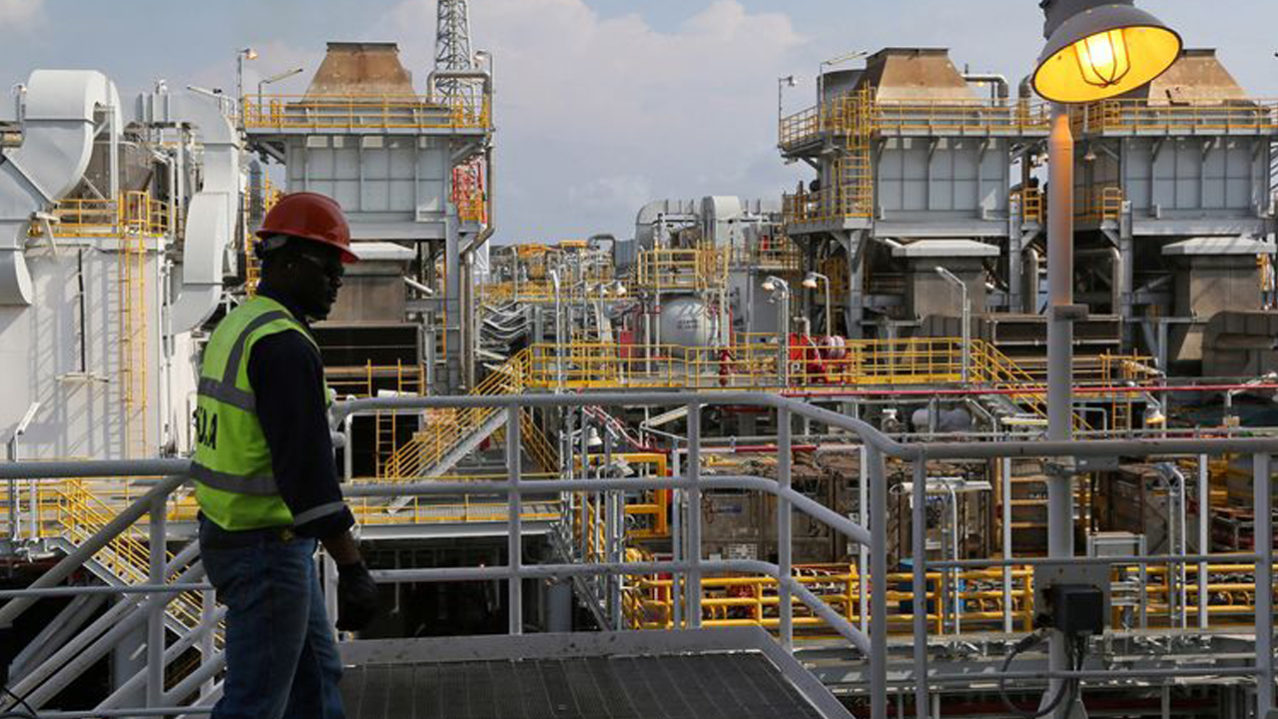
Nigeria, with its significant role in the global crude oil market, represents a pivotal aspect of the world’s energy landscape. As of 2021, it stood as the 7th largest exporter of crude petroleum globally, with its exports totaling a staggering $41.8 billion. This blog post delves into the dynamics of Nigeria’s crude oil market, its economic impact, and its position in the international oil industry.
Nigeria’s Crude Oil Export Dynamics
Nigeria’s crude oil exports are a cornerstone of its economy, underpinning its financial stability and international trade relationships. In 2021, the main destinations for Nigeria’s crude petroleum were India, Spain, the United States, France, and South Africa, with India emerging as the largest importer. This diverse export market demonstrates Nigeria’s strategic importance in fulfilling the global demand for crude oil.
Recent Export Performance and Production Data
Between April and June 2023, Nigeria exported approximately 5.6 trillion Nigerian naira (about seven billion U.S. dollars) worth of crude oil. This figure highlights the continuing significance of oil exports to the Nigerian economy. In terms of production, Nigeria’s crude oil output averaged 1,138,000 barrels per day (b/d) in 2021, and the country boasts proven crude oil reserves of 36,967 million barrels, further solidifying its standing in the global oil market.
Economic and Global Significance
The magnitude of Nigeria’s crude oil exports not only contributes substantially to its national economy but also positions the country as a major player in the global oil industry. The revenue generated from these exports is vital for Nigeria’s fiscal health, funding a significant portion of its government budget.
Challenges and Opportunities
Despite its strong position, Nigeria’s oil sector faces challenges such as infrastructure issues, regulatory uncertainties, and security concerns in oil-producing regions. Addressing these challenges could further enhance Nigeria’s efficiency and reliability as a key global oil supplier.
Future Outlook for Nigeria
Looking ahead, Nigeria’s role in the global crude oil market is likely to remain significant, especially as global energy demands continue to evolve. The country’s vast reserves and current export capacity position it well to continue influencing global oil prices and supply dynamics.
Conclusion: A Strategic Player in Global Energy
In conclusion, Nigeria impact on the global crude oil market is both profound and multifaceted. As commodity traders and global energy stakeholders monitor the shifts in the oil industry, Nigeria’s exports, production capacity, and reserve levels remain critical factors to watch. Understanding Nigeria’s oil market dynamics is essential for those engaging in global energy trading and for anyone interested in the broader economic and geopolitical implications of the oil industry.