• The Surging Tide of Metal Prices: Causes and Impacts

    The Surging Tide of Metal Prices: Causes and Impacts

    Welcome back to our CommodityTrader.com blog. In recent times, we’ve witnessed a remarkable surge in metal prices across the globe. This phenomenon has far-reaching implications, not just for traders and investors, but also for various industries and consumers. In this post, we’ll explore the reasons behind this surge and its potential impacts.

    Understanding the Surge

    Metals, from precious ones like gold and silver to industrial metals like copper and aluminum, have seen significant price increases. Several factors contribute to this trend:

    Economic Recovery Post-Pandemic:

    • As global economies recover from the COVID-19 pandemic, there’s been a renewed demand for metals. Industries ramping up production have increased demand, particularly for industrial metals.

    Supply Chain Disruptions:

    • The pandemic caused significant disruptions in the mining and supply of metals. Even as demand rebounds, supply chains are still catching up, leading to tighter supplies and higher prices.

    Inflationary Pressures:

    • In times of economic uncertainty and inflation, investors often turn to metals as a safe haven, particularly gold. This shift in investment strategy can drive up prices.

    Green Energy Transition:

    • The global push towards renewable energy and electric vehicles has led to increased demand for certain metals like lithium, copper, and nickel, essential in green technologies.

    The Ripple Effects

    The surge in metal prices has several ripple effects across the economy:

    Impact on Industries:

    • Industries reliant on metals, like construction, automotive, and electronics, face increased costs. This can lead to higher prices for consumers or reduced profit margins for companies.

    Emerging Markets and Mining Companies:

    • Countries rich in metal resources and mining companies are experiencing a windfall. However, there’s also the risk of over-reliance on volatile commodity markets.

    Investment Opportunities:

    • For investors and traders, the volatile metal market presents opportunities for significant gains, but it also comes with risks.

    Future Outlook

    Predicting the future of metal prices is challenging due to the multitude of influencing factors. However, several trends are worth watching:

    • Sustained Demand: With the ongoing push for green technologies and global economic recovery, demand for certain metals is likely to remain strong.
    • Supply Adjustments: As the world adapts to post-pandemic realities, supply chains will gradually stabilize, potentially easing price pressures.
    • Geopolitical Factors: Political stability in key metal-producing regions can significantly impact global metal supplies and prices.

    Conclusion

    The surge in metal prices is a complex phenomenon influenced by global economic trends, supply chain dynamics, and the shift towards sustainable technologies. While it presents opportunities, it also poses challenges for various stakeholders. At CommodityTrader.com, we’re committed to providing you with the insights and tools to navigate these volatile markets successfully. Stay informed, stay nimble, and as always, approach commodity trading with a balanced strategy.

  • Trading for the Planet: A Closer Look at Environmental Commodities

    Trading for the Planet: A Closer Look at Environmental Commodities

    Welcome back to our blog at CommodityTrader.com! Today, we’re exploring a relatively new but increasingly significant category in the commodities market – environmental commodities. This category includes unique commodities like carbon emissions credits, renewable energy certificates (RECs), and weather derivatives. These are not just trading instruments; they are pivotal in our global pursuit of sustainability and environmental conservation. Let’s delve into what these commodities are and why they matter.

    Carbon Emissions Credits

    Carbon emissions credits are at the forefront of the environmental commodities market. These credits are essentially permits that allow the holder to emit a certain amount of carbon dioxide or other greenhouse gases. The idea is to cap total emissions and reduce them over time.

    Example: The European Union Emission Trading Scheme (EU ETS)

    The EU ETS is a major carbon trading system, where companies receive or buy emission allowances. If they emit less than their allowance, they can sell the surplus credits. This system incentivizes companies to reduce their emissions.

    Renewable Energy Certificates (RECs)

    RECs represent proof that electricity was generated from a renewable energy resource. These certificates can be bought and sold independently of the physical electricity.

    Example: Solar Energy Credits

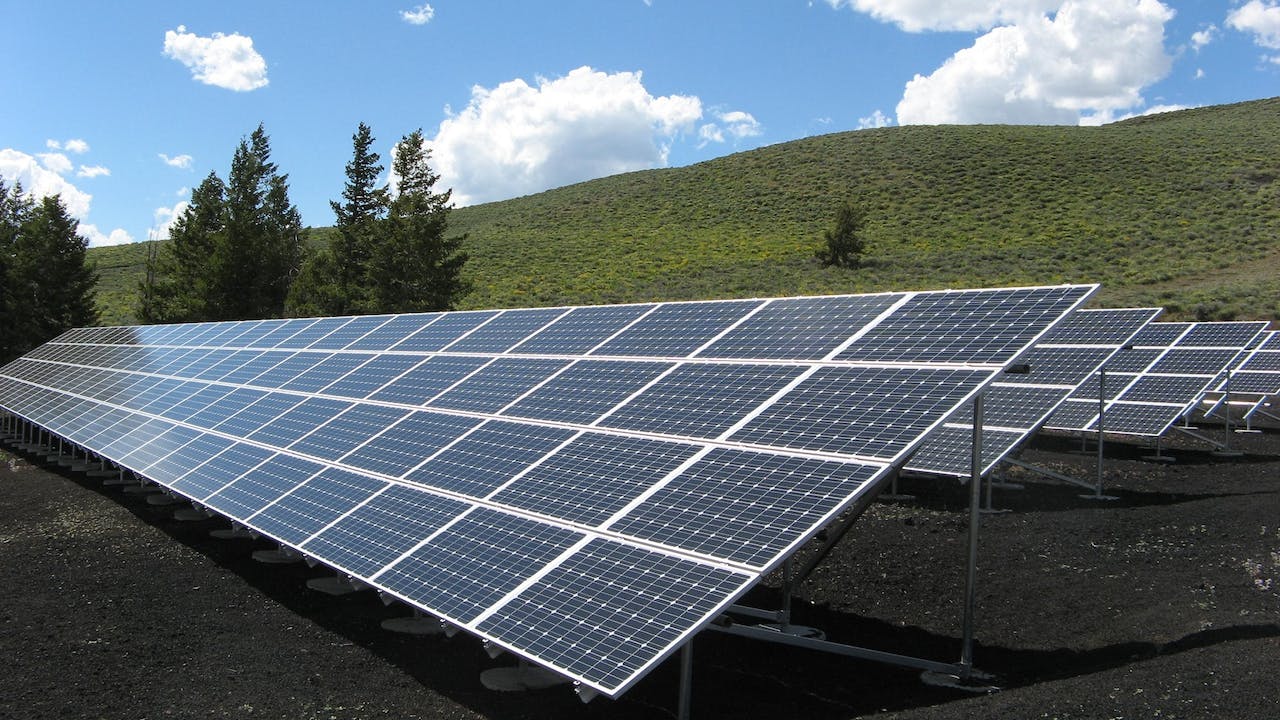
    Consider a solar farm that produces electricity and generates RECs. These RECs can be sold to businesses wanting to offset their carbon footprint or comply with regulatory requirements, even if they don’t consume the solar energy directly.

    Weather Derivatives

    Weather derivatives are financial instruments that can be used by businesses to hedge against the risk of weather-related losses. They are based on various weather parameters like temperature, rainfall, or snowfall.

    Example: Agricultural Sector Hedging

    Agriculture companies can use weather derivatives to hedge against the risk of a bad harvest due to unexpected weather conditions, like drought or excessive rain.

    Why Environmental Commodities Matter

    Reflecting Climate Change Focus

    These commodities are a direct response to the growing focus on climate change and environmental sustainability. They represent a market-based approach to reducing emissions and promoting renewable energy.

    Market Growth and Investment Opportunities

    The market for environmental commodities is growing rapidly, offering new investment opportunities. For instance, the global carbon credit market is expanding as more countries and regions adopt emissions trading systems.

    Driving Sustainable Practices

    By assigning a market value to environmental outcomes, these commodities encourage businesses to adopt more sustainable practices. They make the cost of polluting tangible and reward sustainable energy production.

    Conclusion

    Environmental commodities are not just about trading; they’re about aligning financial incentives with our global environmental goals. As the world increasingly focuses on sustainability, the role of these commodities in the market is becoming more crucial. At CommodityTrader.com, we keep you informed and equipped to participate in this vital and growing market. Whether you’re an investor, a company looking to manage your environmental footprint, or someone interested in green initiatives, understanding environmental commodities is key to navigating this new terrain. Stay with us for more insights into innovative and sustainable trading!

  • Navigating Commodity Indices

    Navigating Commodity Indices

    A Guide to the S&P GSCI, Bloomberg Commodity Index, and Dow Jones Commodity Index

    Welcome to our latest post on CommodityTrader.com! Today, we’re focusing on a crucial aspect of the commodity trading world – commodity indices. These indices, including the S&P GSCI, Bloomberg Commodity Index, and Dow Jones Commodity Index, are key tools for investors and traders to gauge the overall performance of the commodities market. Let’s break down each of these indices and understand their significance.

    S&P GSCI (Standard & Poor’s Goldman Sachs Commodity Index)

    The S&P GSCI is one of the most widely recognized commodity indices. Originally developed by Goldman Sachs, it’s now managed by Standard & Poor’s. It’s known for:

    • Diverse Coverage: The index covers 24 commodities from all commodity sectors – energy, metals, agricultural, and livestock.
    • Weighting Scheme: It’s heavily weighted towards energy commodities, making it a go-to index for those particularly interested in energy markets.
    • Purpose and Usage: The S&P GSCI serves as a benchmark for investment in the commodity markets and as a measure of commodity performance.

    Key Facts:

    • The energy sector has the largest weight in the S&P GSCI.
    • It’s used by investors to hedge against inflation and diversify their portfolios.

    Bloomberg Commodity Index (BCOM)

    The Bloomberg Commodity Index offers a broader representation of the commodity markets. It’s unique for:

    • Diversification: The BCOM is diversified across 23 commodities, with a relatively balanced approach between the various sectors.
    • Liquidity Criteria: Commodities in the index are selected based on liquidity, ensuring that the index is reflective of investable commodity markets.
    • Relevance: It’s updated regularly to maintain relevance and representativeness of the current commodity markets.

    Key Facts:

    • The index limits the weight of any single commodity and sector, reducing concentration risk.
    • It’s a popular tool for investors seeking exposure to a broad range of commodities.

    Dow Jones Commodity Index (DJCI)

    The Dow Jones Commodity Index is another key player, known for:

    • Simplicity and Efficiency: The DJCI is designed to be a simple and efficient benchmark for the commodity futures market.
    • Equal Sector Weight: Unlike the S&P GSCI, it gives equal weight to each sector, offering a more balanced view across different commodity types.
    • Selection Criteria: The index includes commodities based on liquidity and production data, ensuring it’s representative of the global commodity market.

    Key Facts:

    • The equal-weight approach of the DJCI offers a unique perspective compared to other indices.
    • It’s utilized by investors looking for a more balanced and diversified commodity investment.

    Understanding Commodity Indices: Why It Matters

    For traders and investors in the commodities market, understanding these indices is crucial:

    • Market Trends: These indices provide a snapshot of the overall health and trends in the commodity markets.
    • Investment Decisions: They can guide investment decisions, helping in portfolio diversification and risk management.
    • Benchmarking: Traders and fund managers often use these indices as benchmarks to assess the performance of their commodity investments.

    Conclusion

    The S&P GSCI, Bloomberg Commodity Index, and Dow Jones Commodity Index each offer unique perspectives and insights into the commodities market. Whether you’re a seasoned trader or a new investor, understanding these indices is key to navigating the complex world of commodities. At CommodityTrader.com, we provide the tools and insights you need to stay informed and make strategic decisions in the commodity markets. Keep following us for more insights into the fascinating world of commodity trading!

  • Livestock Commodity Trade: Market Facts and Figures

    Livestock Commodity Trade: Market Facts and Figures

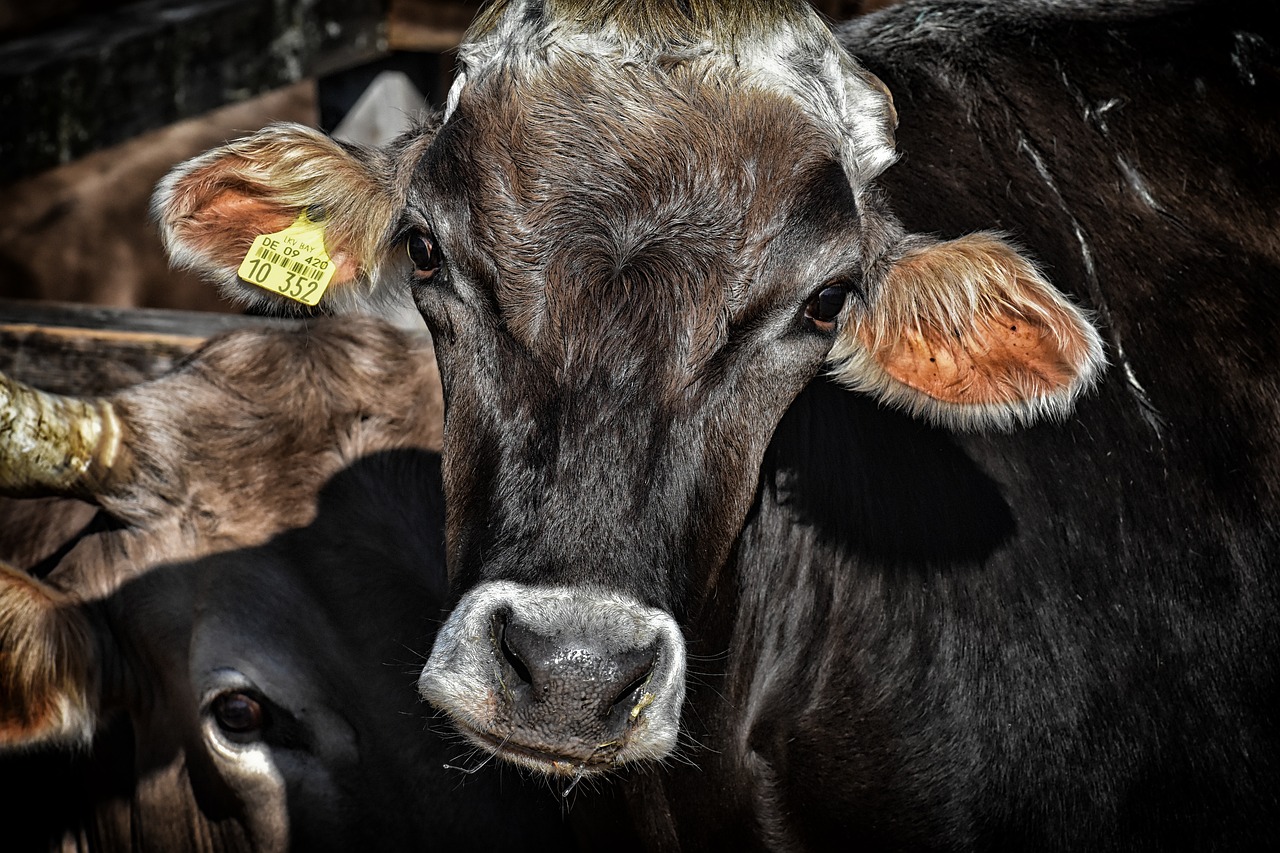
    Welcome to another insightful blog post at Commodity Trader. Today, we delve into the world of livestock commodity trading, a sector that plays a pivotal role in the global agricultural market. Livestock commodities, including cattle, swine, and poultry, are not just essential for food production but also represent a significant portion of the world’s trade in agricultural commodities. Let’s explore some key facts and figures to understand this market better.

    The Global Livestock Market: An Overview

    The livestock market encompasses the trading of animals primarily raised for consumption, such as beef, pork, and poultry. This market also includes by-products like dairy and eggs. As of recent estimates, the global livestock market is valued at hundreds of billions of dollars, underscoring its importance in global trade and economy.

    Key Players in the Livestock Trade

    The United States, Brazil, and the European Union are among the top producers and exporters of livestock commodities. For instance, the U.S. and Brazil are leading exporters of beef, while the EU is a major player in the dairy sector. China, being the world’s largest pork consumer, plays a significant role in shaping the pork market.

    Market Dynamics

    Demand and Supply Fluctuations:

    • The livestock market is heavily influenced by global demand, dietary trends, and population growth.
    • Supply can be impacted by factors such as animal diseases (like African Swine Fever), which have significantly affected pork production in Asia.

    Price Volatility:

    • Livestock commodities experience price volatility, affected by feed costs, weather conditions, and trade policies.
    • The U.S.-China trade war, for instance, had a substantial impact on soybean prices, which in turn affected the cost of animal feed and livestock prices.

    Technological Advancements:

    • Technology plays a key role in the livestock market, from genetic improvements in breeding to advancements in farming practices and logistics.

    Environmental and Ethical Considerations

    The livestock sector faces scrutiny regarding environmental and ethical issues. Greenhouse gas emissions, land use, and water consumption are significant environmental concerns. Ethical considerations like animal welfare and sustainable farming practices are increasingly influencing consumer choices and market trends.

    Trade Figures and Statistics

    • Beef Trade: The global trade in beef and veal has been steadily increasing, with countries like Brazil and Australia leading exports.
    • Pork Trade: Despite challenges like African Swine Fever, global pork trade remains robust, driven by demand in countries like China and Japan.
    • Poultry Trade: Poultry is one of the most traded meat types due to its affordability and widespread acceptance across cultures.

    Future Trends

    Looking ahead, the livestock market is poised for transformation. Trends to watch include:

    • Shift to Sustainable Practices: The adoption of sustainable and ethical farming practices will likely grow.
    • Alternative Proteins: The rise of plant-based and lab-grown meats could reshape the market dynamics.
    • Increased Regulation: The sector might see more stringent regulations focusing on environmental impact and animal welfare.

    Conclusion

    The livestock commodity trade market is a complex and dynamic sector with far-reaching impacts. As global populations grow and dietary patterns evolve, understanding the intricacies of this market becomes crucial for traders and investors. At CommodityTrader.com, we provide the insights and analysis you need to navigate these changes and identify opportunities in the livestock commodity market. Stay tuned for more updates and in-depth analysis of various commodity markets.

  • Coffee: The Global Morning Brew

    Coffee: The Global Morning Brew

    A Deep Dive into the Coffee Commodity Market

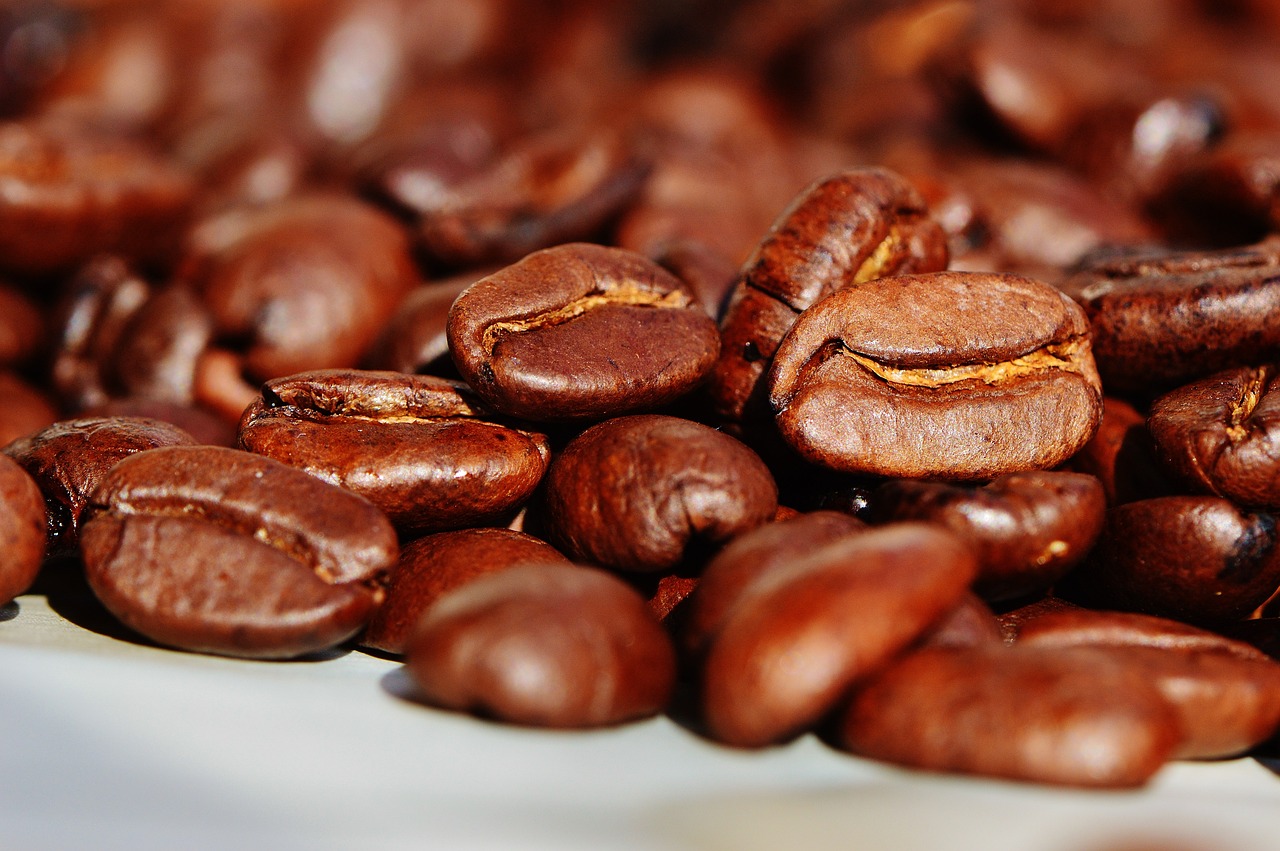
    Welcome to our latest blog post at CommodityTrader.com! Today, we’re focusing on a commodity that starts our mornings and fuels our days – coffee. From its humble origins to becoming a global powerhouse in the commodity market, coffee’s journey is as rich and diverse as its flavors. Let’s explore the world of coffee trading and its significance in the global market.

    The Bean that Conquered the World

    Coffee, believed to have been discovered in Ethiopia, has traveled across continents, cultures, and centuries to become the world’s second most traded commodity. It’s not just a beverage; it’s a cultural phenomenon, a financial asset, and for many, an essential daily ritual.

    The Economics of Coffee

    Estimated Trade Value: $100 Billion

    The global coffee market is vast and complex, driven by a mix of consumer trends, economic factors, and environmental conditions. The value chain of coffee – from growers to exporters, brokers, and retailers – involves millions of people worldwide.

    Key Producers and Markets

    The leading producers of coffee are Brazil, Vietnam, Colombia, and Ethiopia. Brazil alone accounts for about a third of the world’s coffee production. The largest consumers, however, are the United States and Europe, with Europe accounting for nearly a third of global coffee consumption.

    Market Dynamics: A Volatile Brew

    Coffee prices are highly volatile, influenced by various factors:

    • Weather Conditions: Being a tropical crop, coffee is sensitive to weather conditions. Unpredictable weather, like droughts or excessive rains, can significantly impact production.
    • Political and Economic Stability: In many coffee-producing countries, political and economic uncertainties can affect supply chains.
    • Global Demand: Trends in consumer preferences, such as the rise of specialty coffee and ethical sourcing, also impact market dynamics.

    The Specialty Coffee Movement

    The rise of specialty coffee has added a new dimension to the coffee market. Consumers now seek not just a caffeine fix but a quality experience, with a focus on sustainability, ethical sourcing, and unique flavors. This shift has opened new avenues for small-scale producers to access global markets.

    Sustainability and Ethical Concerns

    Sustainability is a growing concern in the coffee industry. Issues like deforestation, water usage, and fair compensation for farmers are at the forefront of discussions. Certification programs like Fair Trade and Rainforest Alliance aim to address these concerns, although challenges remain.

    Future Trends: What Lies Ahead?

    As we look to the future, several trends are shaping the coffee market:

    • Climate Change: Changing climate patterns pose a significant threat to coffee production, especially in areas prone to extreme weather conditions.
    • Technological Advancements: From blockchain for traceability to advanced farming techniques, technology is playing a crucial role in the evolution of the coffee market.
    • Health and Wellness: The health benefits of coffee, such as antioxidants, are making it a preferred beverage in health-conscious consumer segments.

    Conclusion

    Coffee is more than a commodity; it’s a global phenomenon that touches lives, economies, and cultures. In the world of commodity trading, understanding the nuances of the coffee market can offer lucrative opportunities and challenges. At CommodityTrader.com, we’re committed to providing you with insights and analysis to help you navigate this vibrant market. Whether you’re a trader, investor, or coffee enthusiast, staying informed is key to understanding and capitalizing on the world of coffee trading.

  • The Top 10 Most Traded Commodities Worldwide

    The Top 10 Most Traded Commodities Worldwide

    Welcome to the latest entry on CommodityTrader.com! Today, we’re delving into an exciting topic – the top 10 most traded commodities in the world, along with their estimated trade figures. This list not only highlights the importance of these commodities in global trade but also gives us a glimpse into the massive scale of transactions they represent. Let’s dive in!

    1. Crude Oil: The Undisputed King

    Estimated Trade Value: $1.7 Trillion

    Crude oil, often termed “black gold,” sits at the top of our list. It’s the most traded commodity due to its crucial role in energy production. The volatility in oil prices, driven by geopolitical tensions and supply-demand dynamics, contributes to its high trade value.

    2. Coffee: The Global Morning Brew

    Estimated Trade Value: $100 Billion

    Coffee beans come in as the second most traded commodity. With its widespread popularity and the growing culture around coffee consumption, the trade value of coffee beans has skyrocketed, making it a staple in commodity markets.

    3. Natural Gas: Energy’s Cleaner Alternative

    Estimated Trade Value: $300 Billion

    As the world shifts towards cleaner energy sources, natural gas has become increasingly important. Its role in electricity generation and heating makes it a highly traded commodity.

    4. Gold: The Eternal Asset

    Estimated Trade Value: $170 Billion

    Gold has been a symbol of wealth and a store of value for centuries. Its appeal as an investment and a hedge against inflation keeps its trade volume high.

    5. Brent Oil: Europe’s Benchmark

    Estimated Trade Value: $80 Billion

    Brent oil, a major trading classification of sweet light crude oil, serves as a major price benchmark for Atlantic basin crude oils. It is extracted from the North Sea.

    6. Steel: The Backbone of Industry

    Estimated Trade Value: $500 Billion

    Steel, an alloy of iron and carbon, is essential for construction, infrastructure, and manufacturing. Its versatility and demand across various industries contribute to its high trade volume.

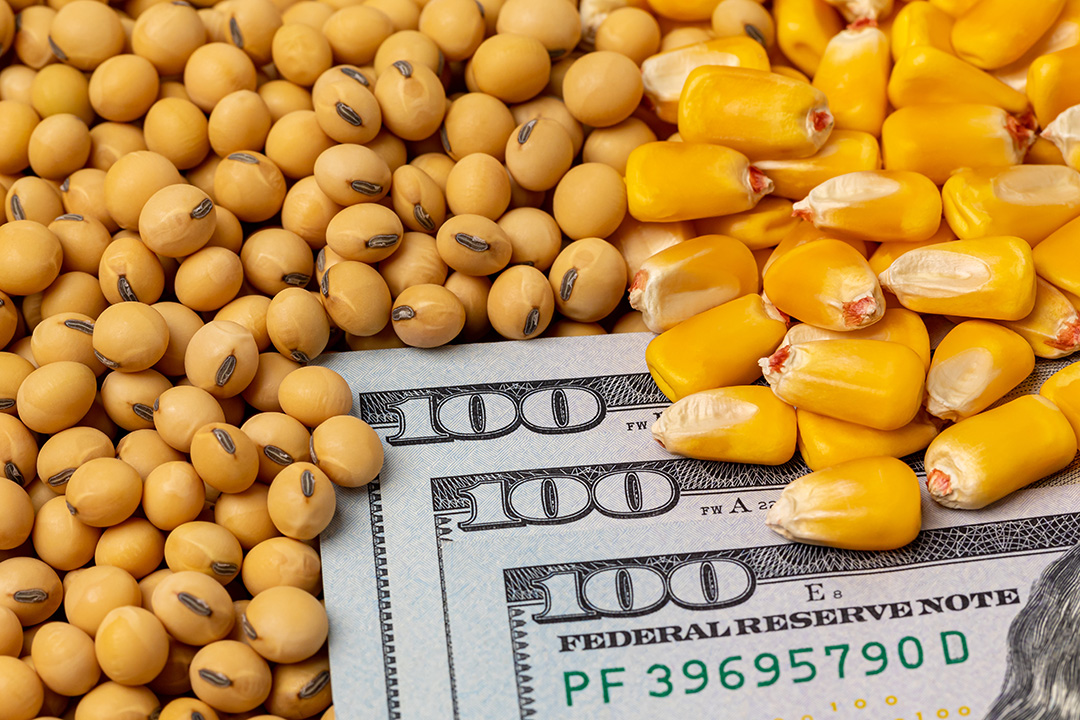
    7. Corn: More Than Just Food

    Estimated Trade Value: $50 Billion

    Corn is not just a staple food; it’s also used in biofuels (like ethanol), animal feed, and various industrial applications. The versatility of corn makes it a highly traded commodity.

    8. Soybeans: The Versatile Bean

    Estimated Trade Value: $60 Billion

    Soybeans are a vital commodity due to their use in animal feed, cooking oil, and even biodiesel. The U.S., Brazil, and Argentina are key players in soybean trade.

    9. Copper: Conducting Global Growth

    Estimated Trade Value: $120 Billion

    Copper’s role in electrical wiring, plumbing, and telecommunications makes it a key industrial metal. Its demand, particularly in emerging markets, keeps its trade figures robust.

    10. Aluminum: The Lightweight Metal

    Estimated Trade Value: $90 Billion

    Aluminum’s properties, such as lightweight and resistance to corrosion, make it invaluable in industries like transportation, packaging, and construction.

    Conclusion

    These commodities are the lifeblood of the global economy, driving trade across continents. Their estimated trade values reflect not only their individual importance but also the interconnectedness of global markets. In commodity trading, staying abreast of market trends and shifts in these commodities can provide crucial insights for traders and investors alike.

    At CommodityTrader.com, we’re committed to keeping you informed and ahead in the dynamic world of commodity trading. Whether you’re a seasoned trader or just starting, understanding these key commodities is essential to navigating the markets successfully.

    Photo by Arvind Vallabh on Unsplash

  • Landing the Big One

    Landing the Big One

    Navigating a Top 10 Commodity Trade Deal

    Welcome to our first blog post at the new CommodityTrader.com! Today, we’re diving into the exhilarating world of high-stakes commodity trading. We’ll walk through the process of landing a significant commodity trade deal – specifically, a large monthly contract spanning 12 months. Let’s explore the steps, strategies, and real-life examples that illuminate the path to closing such a significant agreement.

    Understanding the Scope

    Before anything else, it’s crucial to understand the magnitude of a top 10 commodity trade deal. We’re talking about commodities like crude oil, gold, soybeans, or copper – assets that form the backbone of global trade. Securing a 12-month contract not only requires astute market knowledge but also a deep understanding of global economic trends.

    Step 1: Market Research and Analysis

    The first step is exhaustive market research. For instance, if you’re dealing with crude oil, understanding OPEC’s policies, production levels, and global demand forecasts is vital. Historical data analysis can reveal patterns and trends, aiding in accurate forecasting.

    Example:

    In 2021, a major trading firm anticipated a rise in copper prices due to increasing demand in the renewable energy sector. Their early positioning allowed them to secure favourable terms in a year-long contract.

    Step 2: Building Relationships and Networking

    Commodity trading thrives on relationships. Networking with producers, consumers, and intermediaries opens up opportunities and provides insights into market sentiments.

    Example:

    A U.S.-based trader expanded their network in the Brazilian soybean market. This connection proved invaluable in understanding local production issues, leading to a lucrative soybean export deal.

    Step 3: Risk Assessment and Management

    Every major deal carries risk. Understanding and managing these risks, like price volatility or geopolitical issues, is crucial. Tools like futures contracts and options can hedge against unforeseen market fluctuations.

    Example:

    In a large gold trading deal, the trader used futures contracts to hedge against market volatility, ensuring stable prices throughout the contract duration.

    Step 4: Negotiation and Deal Structuring

    Negotiation is where the deal takes shape. It’s about finding a win-win situation. Deal structuring might involve complex terms like pricing models, delivery schedules, and payment terms.

    Example:

    In a major LNG deal, the trader negotiated a pricing model linked to a basket of crude oil indices, ensuring a fair pricing mechanism for both parties.

    Step 5: Legal and Compliance

    Ensuring the deal complies with international trade laws and regulations is non-negotiable. This step often involves legal teams and can include drafting contracts, getting approvals, and ensuring ethical sourcing.

    Example:

    A major iron ore deal between Australia and China required thorough compliance with both countries’ export and import regulations.

    Step 6: Execution and Relationship Management

    After closing the deal, the focus shifts to execution. This involves logistics, quality control, and maintaining a good relationship with the counterparty.

    Example:

    A multi-million dollar wheat deal with a Middle Eastern country required meticulous logistical planning to ensure timely monthly deliveries.

    Conclusion

    Landing a significant commodity trade deal involves a blend of market intelligence, relationship management, strategic negotiation, and rigorous compliance. It’s a challenging yet rewarding endeavour that can significantly impact both the trader’s and the client’s bottom line. In the dynamic world of commodity trading, staying informed, adaptable, and connected is key to success.

    At CommodityTrader.com, we provide the tools, insights, and support to help you navigate these complex waters. Whether you’re eyeing your first big deal or looking to expand your portfolio, we’re here to guide you every step of the way.