
Tag: pork

  • The Evolution of China’s Demand for Livestock Commodities

    The Evolution of China’s Demand for Livestock Commodities

    A Shift in Appetite: China’s Growing Hunger for Livestock

    In recent years, China’s demand for livestock commodities has undergone a significant transformation, reflecting broader economic, demographic, and cultural shifts. This burgeoning demand has sent ripples across global markets, reshaping trade flows and production patterns. This blog post delves into the changing landscape of China’s appetite for livestock commodities and explores the main drivers behind this surge.

    The Trajectory of Demand

    Historically, China’s livestock consumption was predominantly centered around pork, the country’s staple meat. However, the past decade has witnessed a diversification and escalation in demand across a broader spectrum of livestock commodities, including beef, poultry, dairy, and seafood. This shift is not merely a phase but a reflection of deeper societal transformations.

    Drivers of Increasing Demand

    Several key factors contribute to the growing demand for livestock commodities in China:

    • Economic Growth and Urbanization: China’s rapid economic development and urbanization have led to increased household incomes, enabling more consumers to afford animal protein. Urban lifestyles also influence dietary preferences towards convenience and diversity, further boosting the demand for various types of meat and dairy products.
    • Population and Demographic Changes: With the world’s largest population, China’s sheer demographic scale plays a critical role in shaping demand. Additionally, a growing middle class with changing dietary preferences has shown a greater inclination towards protein-rich diets, including livestock commodities.
    • Health and Nutrition Awareness: Increased awareness about health and nutrition has led Chinese consumers to seek out quality protein sources, fueling demand for livestock commodities. This trend is bolstered by government nutritional guidelines promoting animal protein as a component of a balanced diet.
    • Food Security Concerns: Recent challenges, such as the African Swine Fever outbreak that decimated China’s pork production, have heightened concerns over food security. These concerns have prompted both government and consumers to diversify meat sources, leading to increased imports of beef, poultry, and other livestock commodities.
    • Globalization and Changing Food Culture: Exposure to global food cultures, through travel and media, has expanded Chinese consumers’ palates. There’s a growing interest in Western-style diets, which often feature a higher consumption of beef and dairy products, further driving demand.

    The Impact on Global Markets

    China’s escalating demand for livestock commodities has profound implications for global markets:

    • Increased Imports: To meet domestic demand, China has ramped up imports of livestock commodities, becoming a key market for many exporting countries. This has led to shifts in global trade patterns, with producers increasingly looking to tap into the Chinese market.
    • Price Fluctuations: The surge in demand from China can lead to price volatility in global markets, impacting both producers and consumers worldwide.
    • Sustainability Concerns: The growing demand for animal protein raises questions about sustainability and the environmental impact of increased livestock production, prompting discussions about more sustainable consumption and production practices.

    Looking Ahead

    As China’s demand for livestock commodities continues to evolve, both challenges and opportunities lie ahead for global producers, traders, and policymakers. Adapting to this changing landscape requires a nuanced understanding of the market dynamics at play and a strategic approach to navigating the complexities of global food systems.

    In conclusion, the trajectory of China’s demand for livestock commodities is a testament to its economic growth, changing societal norms, and the interconnectedness of global markets. For commodity traders, staying ahead in this dynamic environment means closely monitoring these trends, understanding their implications, and strategically positioning to meet the changing demands of the Chinese market.

  • Navigating the Global Market: The Dynamics of Pork Belly Imports and Exports

    Navigating the Global Market: The Dynamics of Pork Belly Imports and Exports

    A Deep Dive into the Pork Belly Trade

    In the intricate web of global trade, pork belly stands out as a fascinating commodity. This cut of pork, known for its rich flavor and versatility, has a significant presence in international markets. This blog post explores the nuances of pork belly imports and exports, shedding light on the factors that drive this trade and its impact on the global economy.

    Understanding Pork Belly’s Global Appeal

    Pork belly, the cut from which bacon is made, is a staple in many cuisines worldwide. Its popularity spans continents, from the savory bacon in American breakfasts to the succulent slices in Korean samgyeopsal. This widespread demand underpins the global trade of pork belly, making it a valuable commodity in the international market.

    Key Players in Pork Trade

    Several countries lead the charge in the production and export of pork belly. Notably, the United States, European Union, and Canada are significant exporters. They have well-established pork industries capable of meeting both domestic and international demands. On the import side, countries like Japan, South Korea, and China are prominent players. Their high consumption rates drive the need for imports, particularly from countries with surplus production.

    Market Dynamics and Trends

    The pork market is influenced by various factors, including dietary trends, health concerns, and cultural preferences. Economic factors such as currency exchange rates, trade agreements, and tariffs also play a crucial role. For instance, trade disputes can lead to tariffs that impact the flow of pork belly between countries, affecting prices and supply chains.

    Environmental and health factors, like outbreaks of diseases such as African Swine Fever (ASF), can significantly disrupt pork belly trade. These outbreaks can lead to culling of swine herds, affecting supply and, subsequently, international trade dynamics.

    Challenges and Opportunities

    Exporting nations face challenges like maintaining product quality during transport, adhering to the importing countries’ food safety standards, and dealing with the volatility of commodity prices. Conversely, there are opportunities in exploring new markets, improving sustainable and ethical farming practices, and adapting to changing consumer preferences.

    For importing nations, challenges include dependency on external markets for supply and potential fluctuations in import costs. Opportunities lie in diversifying import sources and investing in domestic pork production to reduce reliance on imports.

    The Impact of COVID-19 Pandemic

    The COVID-19 pandemic has significantly impacted the commodity trade. Supply chain disruptions, changes in consumer behavior, and shifts in trade policies have all played a role in altering the landscape of pork belly imports and exports.

    Looking Ahead

    As we look to the future, the pork belly market is expected to continue evolving. Factors like global economic recovery post-pandemic, changing dietary trends, and technological advancements in pork production and transportation will shape the future of pork belly trade.

    Conclusion: A Vital Commodity in Global Trade

    In conclusion, pork’s role in global trade is complex and multifaceted. As a commodity, it not only satisfies culinary tastes but also represents significant economic value for countries involved in its trade. Understanding the dynamics of pork imports and exports is crucial for stakeholders in this market, from farmers to traders and policymakers, as they navigate the challenges and capitalize on the opportunities in this ever-changing landscape.

    Photo by amit Majhi on Unsplash

  • Livestock Commodity Trade: Market Facts and Figures

    Livestock Commodity Trade: Market Facts and Figures

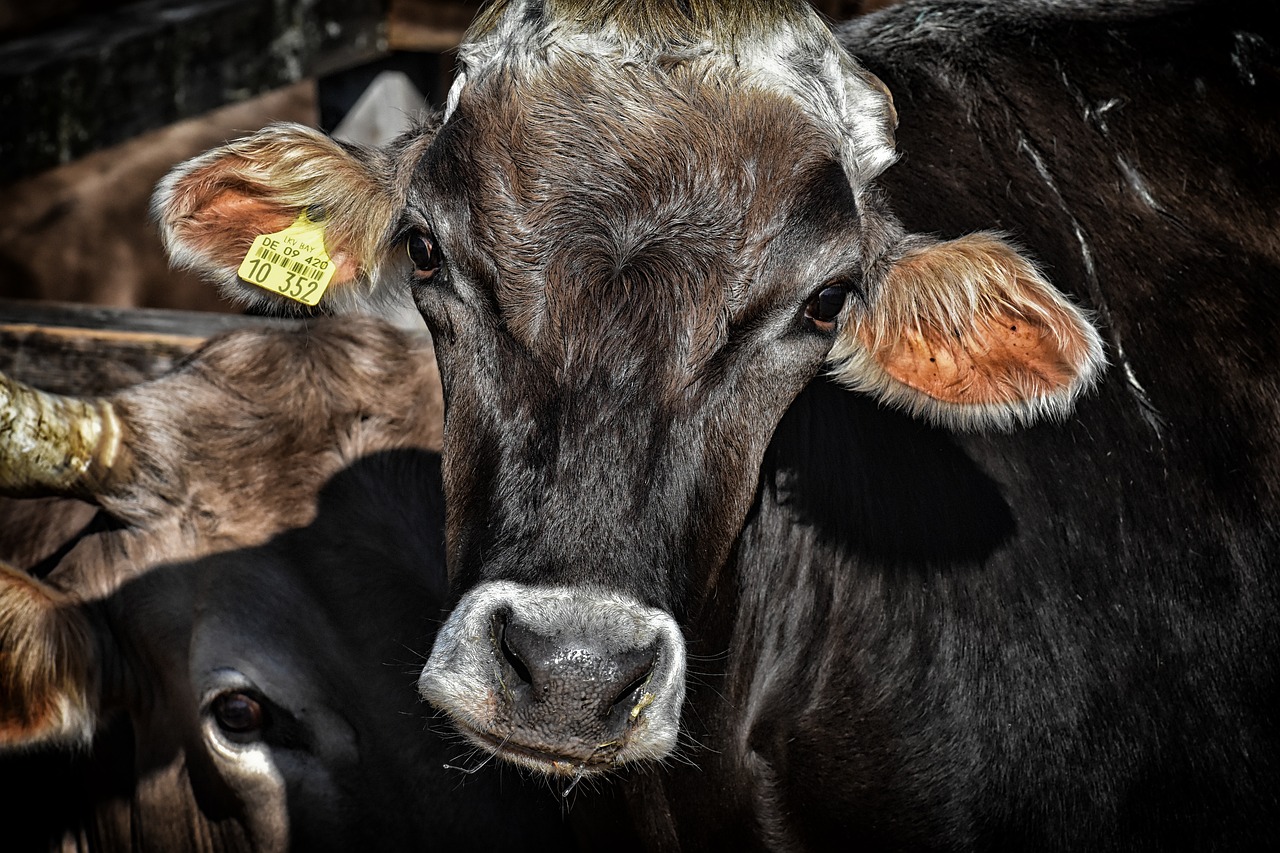
    Welcome to another insightful blog post at Commodity Trader. Today, we delve into the world of livestock commodity trading, a sector that plays a pivotal role in the global agricultural market. Livestock commodities, including cattle, swine, and poultry, are not just essential for food production but also represent a significant portion of the world’s trade in agricultural commodities. Let’s explore some key facts and figures to understand this market better.

    The Global Livestock Market: An Overview

    The livestock market encompasses the trading of animals primarily raised for consumption, such as beef, pork, and poultry. This market also includes by-products like dairy and eggs. As of recent estimates, the global livestock market is valued at hundreds of billions of dollars, underscoring its importance in global trade and economy.

    Key Players in the Livestock Trade

    The United States, Brazil, and the European Union are among the top producers and exporters of livestock commodities. For instance, the U.S. and Brazil are leading exporters of beef, while the EU is a major player in the dairy sector. China, being the world’s largest pork consumer, plays a significant role in shaping the pork market.

    Market Dynamics

    Demand and Supply Fluctuations:

    • The livestock market is heavily influenced by global demand, dietary trends, and population growth.
    • Supply can be impacted by factors such as animal diseases (like African Swine Fever), which have significantly affected pork production in Asia.

    Price Volatility:

    • Livestock commodities experience price volatility, affected by feed costs, weather conditions, and trade policies.
    • The U.S.-China trade war, for instance, had a substantial impact on soybean prices, which in turn affected the cost of animal feed and livestock prices.

    Technological Advancements:

    • Technology plays a key role in the livestock market, from genetic improvements in breeding to advancements in farming practices and logistics.

    Environmental and Ethical Considerations

    The livestock sector faces scrutiny regarding environmental and ethical issues. Greenhouse gas emissions, land use, and water consumption are significant environmental concerns. Ethical considerations like animal welfare and sustainable farming practices are increasingly influencing consumer choices and market trends.

    Trade Figures and Statistics

    • Beef Trade: The global trade in beef and veal has been steadily increasing, with countries like Brazil and Australia leading exports.
    • Pork Trade: Despite challenges like African Swine Fever, global pork trade remains robust, driven by demand in countries like China and Japan.
    • Poultry Trade: Poultry is one of the most traded meat types due to its affordability and widespread acceptance across cultures.

    Future Trends

    Looking ahead, the livestock market is poised for transformation. Trends to watch include:

    • Shift to Sustainable Practices: The adoption of sustainable and ethical farming practices will likely grow.
    • Alternative Proteins: The rise of plant-based and lab-grown meats could reshape the market dynamics.
    • Increased Regulation: The sector might see more stringent regulations focusing on environmental impact and animal welfare.

    Conclusion

    The livestock commodity trade market is a complex and dynamic sector with far-reaching impacts. As global populations grow and dietary patterns evolve, understanding the intricacies of this market becomes crucial for traders and investors. At CommodityTrader.com, we provide the insights and analysis you need to navigate these changes and identify opportunities in the livestock commodity market. Stay tuned for more updates and in-depth analysis of various commodity markets.