Category: Indices

This category includes commodity indices such as the S&P GSCI, the Bloomberg Commodity Index, and the Dow Jones Commodity Index. These indices track the performance of a basket of commodities and provide a broad overview of the commodities market, helping investors and traders gauge overall market trends.

  • Mastering the Art of the Deal: A Guide for Independent Commodity Brokers

    Mastering the Art of the Deal: A Guide for Independent Commodity Brokers

    In the fast-paced world of commodity trading, independent brokers play a crucial role in bridging the gap between buyers and sellers. However, navigating this terrain requires more than just market knowledge and negotiation skills; it demands a solid legal and contractual foundation to protect your interests and ensure fair play. This blog post outlines essential documents and considerations for independent agents facilitating commodity transactions.

    Crafting a Comprehensive Broker Agreement

    The Broker Agreement is the cornerstone of your professional relationship with the parties involved. This document should:

    • Clarify the Scope: Clearly outline the extent of your services. Are you merely making introductions, or are you involved in the negotiation process? Being explicit about your role helps manage expectations and defines the boundaries of your responsibilities.
    • Detail Your Expertise: Highlight your industry expertise, experience, and any specific qualifications that make you a valuable asset in the transaction. This not only establishes credibility but also reassures the parties of your capability to facilitate the deal effectively.
    • Outline the Fee Structure: Transparency is key when it comes to compensation. Clearly outline how your fees work — whether it’s a fixed rate, a percentage of the transaction value, or contingent upon the successful completion of the deal. This minimizes disputes over payment and ensures that all parties are on the same page.
    • Legal and Licensing Information: Ensure that you include any necessary licenses or qualifications that enable you to act as a broker in your specific commodity market. Compliance with legal standards is essential for building trust and avoiding legal pitfalls.

    Defining the Terms with a Broker Contract and Agreement

    While similar to the Broker Agreement, the Broker Contract and Agreement delves deeper into the specifics of the transaction:

    • Define Your Role: Establish whether your involvement is limited to making introductions or includes additional services such as market analysis, negotiation support, or logistics coordination.
    • Compensation Structure: Clearly outline how you will be compensated for your services. This could include a flat fee, a percentage of the transaction, or a tiered structure based on the deal size or complexity.
    • Duration and Exclusivity: Specify the duration of the agreement and whether you have exclusive rights to broker deals for the client. Exclusivity clauses can protect your interests but may require negotiation based on the client’s needs and preferences.
    • Confidentiality and Non-Disclosure: Protect sensitive information by including confidentiality clauses. This is particularly crucial in commodity trading, where market information and negotiation strategies are highly valuable.

    Navigating Challenges and Ensuring Success

    As an independent broker, your reputation and success hinge on the clarity and fairness of your agreements. Here are some additional tips:

    • Clear Communication: Ensure all terms are clearly communicated and understood by all parties. Avoid legal jargon where possible and clarify any ambiguities.
    • Negotiate Fairly: While protecting your interests, ensure that the terms are fair and reasonable to all parties involved. This fosters long-term relationships and a positive reputation in the industry.
    • Stay Informed: Keep abreast of legal and market changes that could affect your agreements or brokerage operations. Continuous learning and adaptation are key to staying competitive and compliant.
    • Seek Professional Advice: Consider consulting with a legal professional when drafting or reviewing contracts, especially when dealing with large transactions or international deals.

    Conclusion: The Foundation of Trust and Transparency

    In the world of commodity trading, a well-crafted agreement is more than a legal necessity; it’s the foundation of trust and transparency between all parties involved. By establishing clear terms and protecting your interests through comprehensive documentation, you can navigate the complexities of the market with confidence and integrity. Remember, in the art of the deal, success is not just measured by completed transactions, but by the relationships built and the professionalism demonstrated throughout the process.


  • The Dow Jones Commodity Index: Navigating Through the Turbulence of the Ukraine War

    The Dow Jones Commodity Index: Navigating Through the Turbulence of the Ukraine War

    A New Era for Commodity Markets

    The outbreak of the Ukraine war marked a pivotal moment for global markets, significantly impacting the dynamics of commodity trading. Among these, the Dow Jones Commodity Index (DJCI), a key benchmark for the commodity market, has experienced notable fluctuations, reflecting the broader economic uncertainties and supply chain disruptions induced by the conflict. This blog post explores the impact of the Ukraine war on the DJCI and what it means for commodity traders.

    The Immediate Impact on the DJCI

    The onset of the Ukraine war brought immediate and significant repercussions for the DJCI, primarily due to the critical role that both Ukraine and Russia play in global commodity markets. Ukraine, often referred to as the “breadbasket of Europe,” and Russia, a major player in energy and metals, are essential suppliers of various commodities. As hostilities commenced, the DJCI responded to the uncertainties with volatility, particularly in the sectors most directly impacted by the conflict.

    Sector-Specific Reactions

    • Energy: One of the most immediate effects was seen in the energy sector, with natural gas and crude oil prices experiencing sharp increases. Russia’s position as a leading energy exporter meant that any potential sanctions or disruptions in supply had immediate global ramifications.
    • Agricultural Commodities: The DJCI’s agricultural components also saw significant movements, given Ukraine’s status as a leading exporter of wheat, corn, and sunflower oil. The conflict raised fears of supply shortages, driving up prices in these markets.
    • Metals and Minerals: Metals, including palladium and nickel, for which Russia is a significant supplier, also witnessed price surges. The geopolitical tensions heightened concerns over the availability of these critical industrial metals.

    The Longer-Term Trends

    As the conflict has persisted, the DJCI has continued to reflect the evolving landscape of global commodity markets. Several key trends have emerged:

    • Inflationary Pressures: The war has contributed to inflationary pressures worldwide, with rising commodity prices feeding into broader economic systems. This inflationary trend has implications for central bank policies and global economic stability.
    • Supply Chain Diversification: The conflict has accelerated efforts to diversify supply chains, with commodity traders and consumers seeking more stable and reliable sources of essential goods. This shift is gradually being reflected in the pricing and volatility patterns within the DJCI.
    • Renewed Focus on Energy Transition: The energy sector’s volatility has underscored the importance of the global energy transition. There’s an increased interest in renewable energy commodities, which may influence the composition and focus of the DJCI in the future.

    Implications for Commodity Traders

    For commodity traders, the changes in the DJCI since the onset of the Ukraine war offer both challenges and opportunities:

    • Volatility Management: Traders must navigate the increased volatility, employing sophisticated risk management strategies to protect their positions.
    • Geopolitical Analysis: An in-depth understanding of geopolitical developments has become even more crucial, as these can have immediate impacts on commodity prices and availability.
    • Adaptability: The ability to adapt to rapidly changing market conditions, including diversifying portfolios and exploring emerging markets, is key to success in this new era.

    Conclusion: A Dynamic Landscape

    The Dow Jones Commodity Index performance since the Ukraine war began paints a picture of a commodity market at the crossroads of geopolitical tensions, economic uncertainties, and the accelerating pace of the energy transition. For commodity traders, staying informed, agile, and responsive to the shifts in the DJCI will be critical in navigating the complex landscape shaped by the ongoing conflict and its global repercussions.

  • S&P Futures Nearing Record Highs: A Tech-Driven Market Rally

    S&P Futures Nearing Record Highs: A Tech-Driven Market Rally

    The Tech Sector Leads a Market Resurgence

    In the ever-evolving narrative of the stock market, a notable development has emerged: S&P Futures are approaching all-time highs, propelled largely by a tech sector meltup. This shift, marked by renewed optimism and significant upgrades in tech giants like Apple, is reshaping trader sentiment and market dynamics. Let’s dive into the details of this latest market movement and its implications for traders and investors.

    A Turnaround Week for the Markets

    The week started off quietly, but the mood quickly shifted. Two consecutive upgrades of Apple – a tech behemoth – played a pivotal role. Following a couple of downgrades, the company received a boost from Evercore ISI’s addition to its tactical outperform list, hot on the heels of an upgrade by Bank of America. This sequence not only reversed the previous negative sentiment but also catalyzed a surge in trader enthusiasm, leading to significant gains in premarket trading.

    Record-Breaking Movements

    The impact of these upgrades and the resulting optimism are clearly reflected in the market indices:

    • Nasdaq 100: As of 7:40 am, contracts on the Nasdaq 100 climbed about 0.7%, reaching an all-time high the day before.
    • S&P 500 Futures: They were up by 0.4%, and with the S&P just 16 points away from all-time highs, the market was bracing for a potential new record.

    Market Drivers: What’s Fueling This Rally?

    Several factors are contributing to this market rally:

    1. Tech Sector Performance: The tech sector, especially companies like Apple, is a significant driver. Positive corporate news and upgrades can have a substantial impact on market sentiment.
    2. Economic Optimism: There’s a growing belief in a ‘Goldilocks’ scenario – not too hot, not too cold – where the economy lands softly without major disruptions.
    3. Treasury Yields and the Dollar: Flat treasury yields at 4.14% and a dropping dollar, following a frenetic repricing of policy outlooks earlier in the week, are also influencing market movements.

    Key Indicators to Watch

    Investors and traders are now closely monitoring several indicators for further market cues:

    • University of Michigan Inflation Expectations: These will provide insights into future inflation trends and, by extension, the potential direction of the stock market.
    • Federal Reserve Speakers: Comments and insights from Fed officials will be crucial in shaping expectations about future rate cuts and monetary policy.

    The Changing Odds of Easing

    Interestingly, the prospect of easing in March, which was almost a certainty last week, has now become more uncertain, resembling a coin toss in the eyes of traders. This shift reflects the market’s sensitivity to economic indicators and policy expectations.

    Conclusion: A Market at the Crossroads

    For commodity traders and stock market investors, these developments signal a market at a crossroads. The tech-driven rally, coupled with evolving economic indicators, suggests that careful analysis and strategic positioning will be key in capitalizing on potential opportunities. As always, staying informed and agile in response to market shifts will be crucial for success in this dynamic trading environment.

  • Understanding Soft and Hard Commodities: A Comprehensive Guide for Commodity Traders

    Understanding Soft and Hard Commodities: A Comprehensive Guide for Commodity Traders

    In the world of commodity trading, understanding the distinction between soft and hard commodities is crucial. These two categories encompass a wide range of products, each with unique market dynamics, trading strategies, and economic implications. In this blog post, we’ll delve into the specifics of soft and hard commodities, including their approximate dollar values, to offer a clear understanding for commodity traders.

    Soft Commodities: Nature’s Bounty

    Soft commodities refer to agricultural products and livestock. They are typically grown and harvested, rather than mined or extracted. This category includes:

    Agricultural Crops: Wheat, corn, soybeans, coffee, sugar, and cotton are prime examples. The prices for these commodities fluctuate based on weather conditions, harvest yields, and global demand. For instance, as of my last update in April 2023, the approximate dollar values per metric ton were: wheat ($280), corn ($250), and soybeans ($520).

    Livestock: This includes cattle, hogs, and poultry. Livestock prices depend on feed costs, herd sizes, and meat demand. For example, live cattle were trading around $1.20 per pound.

    Soft commodities are often more susceptible to spoilage and seasonal fluctuations compared to hard commodities.

    Hard Commodities: The Extracted Essentials

    Hard commodities are natural resources that are mined or extracted. They fall into two main categories:

    Metals: This includes precious metals like gold and silver, and industrial metals like copper, aluminum, and iron ore. Gold, often considered a safe haven asset, had an approximate value of $1,950 per ounce, while copper traded around $9,500 per metric ton.

    Energy: Key energy commodities are crude oil, natural gas, and coal. These commodities are critical to the global economy, with prices influenced by geopolitical events, technological advancements, and changes in energy policies. For instance, Brent crude oil was trading at about $70 per barrel.

    Hard commodities are typically less susceptible to spoilage and can be stored for longer periods, making them a popular choice for long-term investments.

    Market Value and Economic Impact

    The total market value of commodities fluctuates based on various factors, including supply and demand dynamics, geopolitical events, and macroeconomic trends. As of my last update, the global commodities market was valued in the trillions of dollars, with hard commodities generally having a higher total value due to their extensive industrial and economic uses.

    Trading Considerations

    Commodity traders should consider several factors when dealing with soft and hard commodities:

    • Volatility: Soft commodities are often more volatile due to their susceptibility to weather conditions and seasonal cycles. Hard commodities, while also volatile, are influenced more by economic cycles and industrial demand.
    • Storage and Transportation: Hard commodities are typically easier to store and transport over long periods, whereas soft commodities require more specialized handling due to their perishable nature.
    • Market Access: Futures markets are a common way to trade both soft and hard commodities. However, the entry barriers, contract sizes, and margin requirements can vary.

    Conclusion: A Balanced Portfolio

    For commodity traders, understanding the nuances between soft and hard commodities is essential for developing a balanced trading strategy. By recognizing the different factors that influence each type of commodity, traders can make more informed decisions, adapt to market changes, and potentially capitalize on the unique opportunities each market offers. Remember, the values mentioned are subject to change and should be used as a reference point for understanding market dynamics rather than absolute figures for trading.

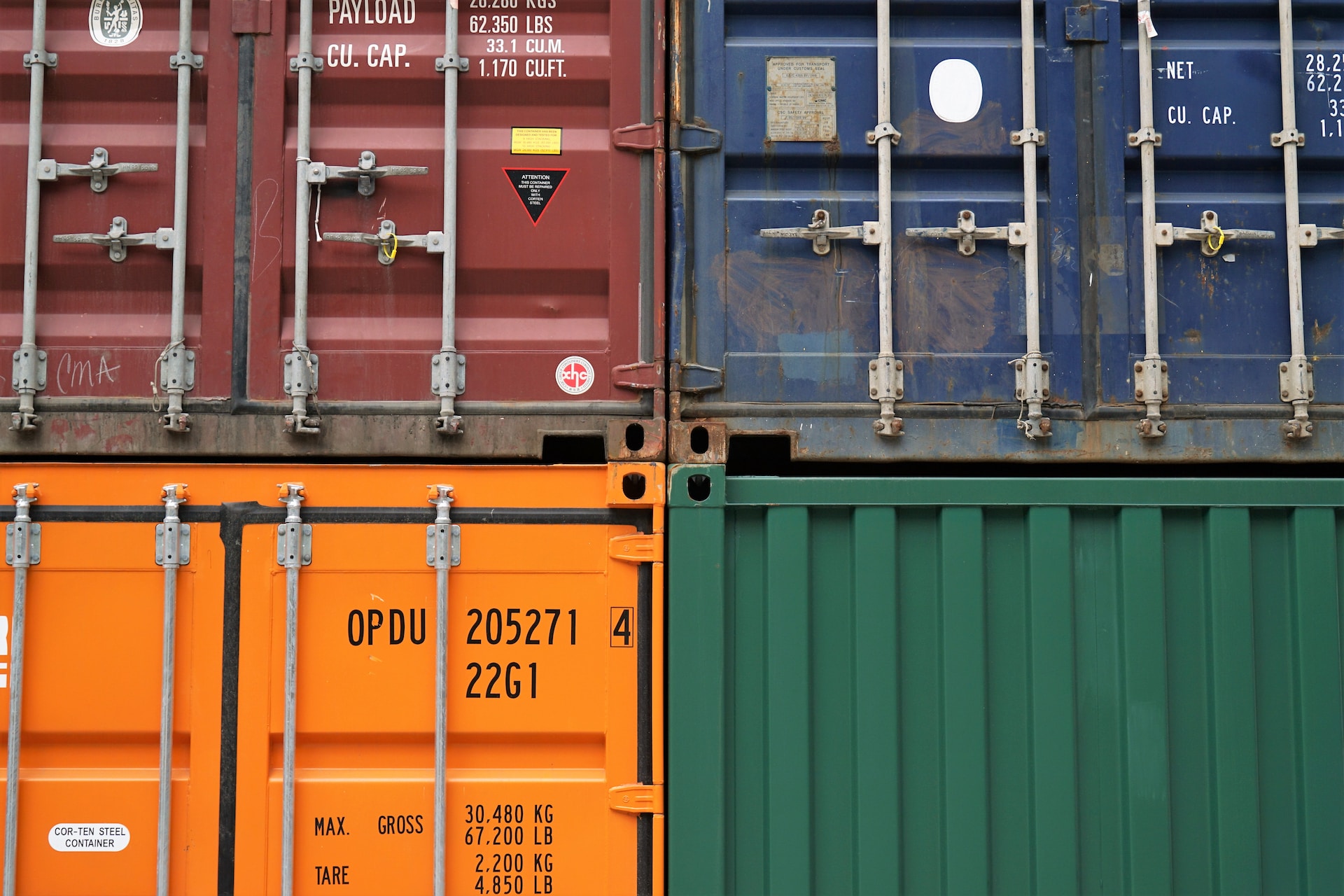
    Photo by Erwan Hesry on Unsplash

  • Why Commodity Indices Matter

    Why Commodity Indices Matter

    Navigating the Complex World of Commodities

    In the dynamic world of commodity trading, indices play a pivotal role. At CommodityTrader.com, we often emphasize the importance of understanding and monitoring commodity indices. But why do these indices matter so much? In this blog post, we will explore the significance of commodity indices such as the S&P GSCI, Bloomberg Commodity Index, and Dow Jones Commodity Index, and how they can be essential tools for traders, investors, and market analysts.

    What Are Commodity Indices?

    Commodity indices track the price movements of a basket of commodities. These indices can include a wide range of commodities, from energy and metals to agricultural products. They provide a composite overview of the commodity market’s performance and are often used as benchmarks for investors and traders.

    The Importance of this Data

    Market Trend Analysis:

    • Commodity index data offer a macro view of the commodity markets. By analyzing these indices, traders and investors can gauge general market trends, which is essential for making informed decisions.

    Benchmarking Performance:

    • Investors and fund managers use commodity indices to benchmark the performance of their portfolios. This helps in assessing whether an investment strategy is outperforming or underperforming the market.

    Diversification Strategy:

    • For those looking to diversify their investment portfolio, commodity index data provides a way to gain exposure to a range of commodities without having to invest in each one individually.

    Risk Management:

    • Understanding the movement of commodity indices can help in managing risk. These indices can act as a guide to the market’s sentiment, helping investors to strategize and hedge their risks more effectively.

    Economic Indicators:

    • Commodity prices often reflect broader economic trends. For instance, rising energy prices in an index could indicate increasing industrial activity and economic growth. As such, indices can be valuable economic indicators.

    Case Studies: How Commodity Index Data Impact Trading

    Example 1: Energy Sector Volatility

    • The S&P GSCI, with its heavy weighting towards energy commodities, can be particularly sensitive to changes in the energy sector. Traders monitoring this index in 2020 would have been aware of the dramatic fluctuations in oil prices, allowing them to adjust their strategies accordingly.

    Example 2: Agricultural Commodities in BCOM

    • The Bloomberg Commodity Index, which includes a significant portion of agricultural commodities, gives insight into trends in the agriculture sector. For instance, a rise in this index could indicate potential opportunities in agricultural commodities trading.

    The Future of Commodity Indices

    Looking ahead, the role of commodity indices will likely continue to evolve. As global economic conditions change and new commodities (like green energy resources) gain prominence, these indices will adapt, offering fresh insights and opportunities for market participants.

    Conclusion

    Commodity indices are more than just benchmarks; they are windows into the complex and ever-changing world of commodity trading. Whether you are a seasoned trader, a new investor, or an interested observer, understanding these indices is key to navigating the commodities market. At CommodityTrader.com, we provide the tools, insights, and analysis to help you stay on top of these crucial market indicators. Keep following us for more insights into the fascinating world of commodity trading!

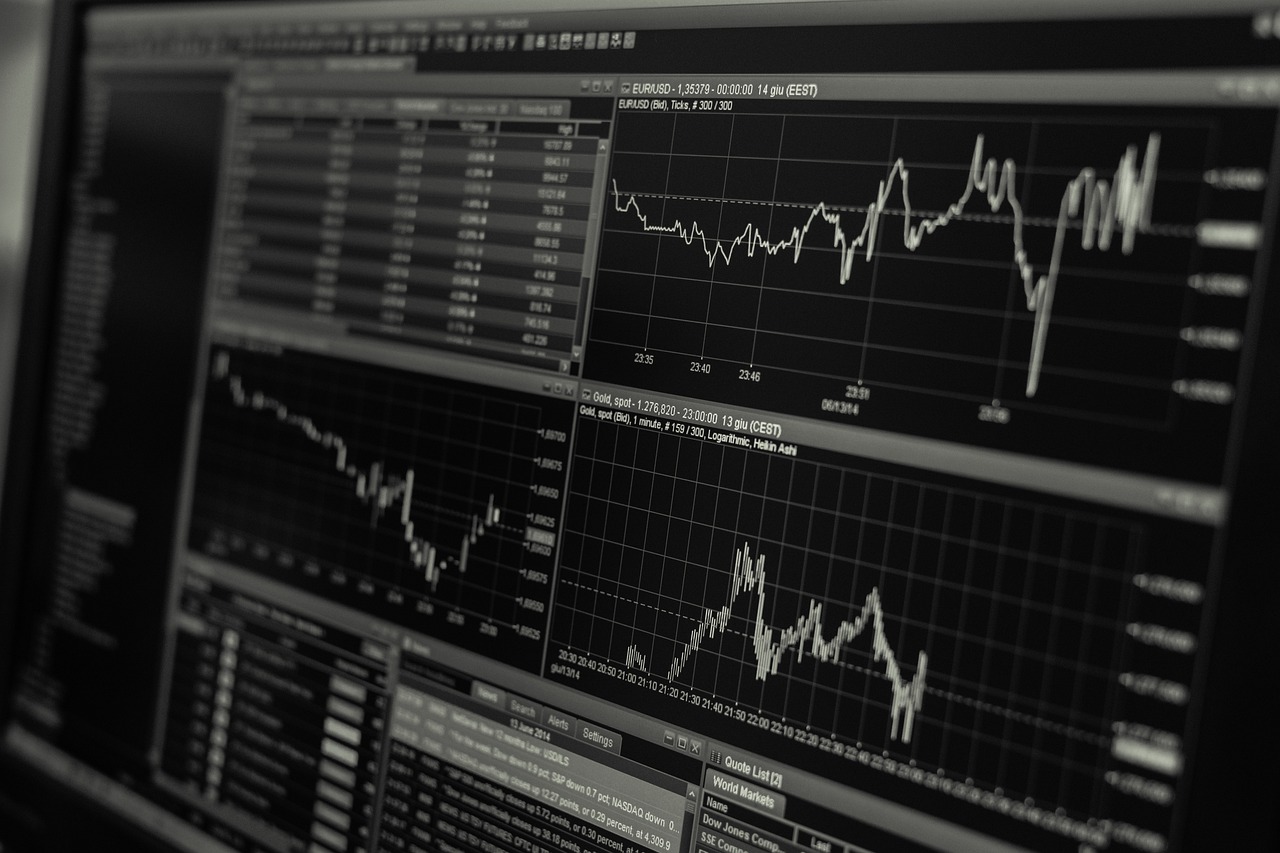
    Image by 3844328 from Pixabay

  • Navigating Commodity Indices

    Navigating Commodity Indices

    A Guide to the S&P GSCI, Bloomberg Commodity Index, and Dow Jones Commodity Index

    Welcome to our latest post on CommodityTrader.com! Today, we’re focusing on a crucial aspect of the commodity trading world – commodity indices. These indices, including the S&P GSCI, Bloomberg Commodity Index, and Dow Jones Commodity Index, are key tools for investors and traders to gauge the overall performance of the commodities market. Let’s break down each of these indices and understand their significance.

    S&P GSCI (Standard & Poor’s Goldman Sachs Commodity Index)

    The S&P GSCI is one of the most widely recognized commodity indices. Originally developed by Goldman Sachs, it’s now managed by Standard & Poor’s. It’s known for:

    • Diverse Coverage: The index covers 24 commodities from all commodity sectors – energy, metals, agricultural, and livestock.
    • Weighting Scheme: It’s heavily weighted towards energy commodities, making it a go-to index for those particularly interested in energy markets.
    • Purpose and Usage: The S&P GSCI serves as a benchmark for investment in the commodity markets and as a measure of commodity performance.

    Key Facts:

    • The energy sector has the largest weight in the S&P GSCI.
    • It’s used by investors to hedge against inflation and diversify their portfolios.

    Bloomberg Commodity Index (BCOM)

    The Bloomberg Commodity Index offers a broader representation of the commodity markets. It’s unique for:

    • Diversification: The BCOM is diversified across 23 commodities, with a relatively balanced approach between the various sectors.
    • Liquidity Criteria: Commodities in the index are selected based on liquidity, ensuring that the index is reflective of investable commodity markets.
    • Relevance: It’s updated regularly to maintain relevance and representativeness of the current commodity markets.

    Key Facts:

    • The index limits the weight of any single commodity and sector, reducing concentration risk.
    • It’s a popular tool for investors seeking exposure to a broad range of commodities.

    Dow Jones Commodity Index (DJCI)

    The Dow Jones Commodity Index is another key player, known for:

    • Simplicity and Efficiency: The DJCI is designed to be a simple and efficient benchmark for the commodity futures market.
    • Equal Sector Weight: Unlike the S&P GSCI, it gives equal weight to each sector, offering a more balanced view across different commodity types.
    • Selection Criteria: The index includes commodities based on liquidity and production data, ensuring it’s representative of the global commodity market.

    Key Facts:

    • The equal-weight approach of the DJCI offers a unique perspective compared to other indices.
    • It’s utilized by investors looking for a more balanced and diversified commodity investment.

    Understanding Commodity Indices: Why It Matters

    For traders and investors in the commodities market, understanding these indices is crucial:

    • Market Trends: These indices provide a snapshot of the overall health and trends in the commodity markets.
    • Investment Decisions: They can guide investment decisions, helping in portfolio diversification and risk management.
    • Benchmarking: Traders and fund managers often use these indices as benchmarks to assess the performance of their commodity investments.

    Conclusion

    The S&P GSCI, Bloomberg Commodity Index, and Dow Jones Commodity Index each offer unique perspectives and insights into the commodities market. Whether you’re a seasoned trader or a new investor, understanding these indices is key to navigating the complex world of commodities. At CommodityTrader.com, we provide the tools and insights you need to stay informed and make strategic decisions in the commodity markets. Keep following us for more insights into the fascinating world of commodity trading!