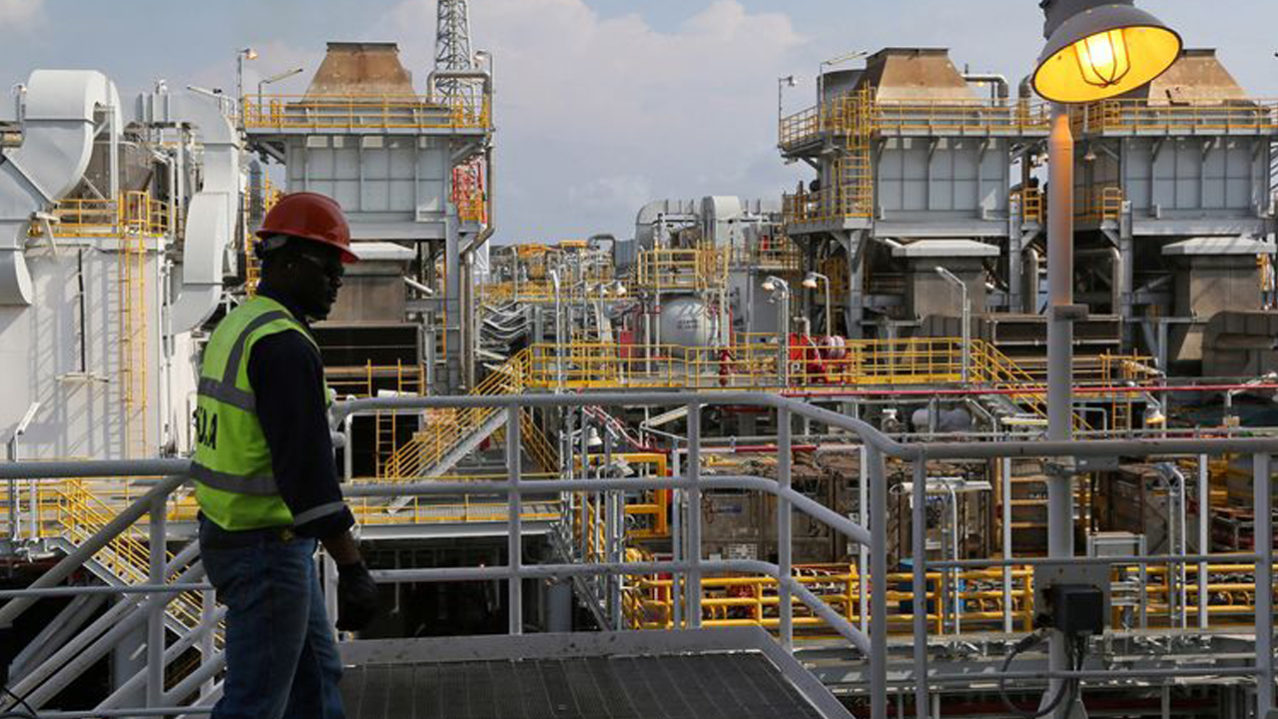
Tag: crude oil

  • Nigeria’s Influence in the Global Crude Oil Market

    Nigeria’s Influence in the Global Crude Oil Market

    A Key Player in the World’s Oil Economy

    Nigeria, with its significant role in the global crude oil market, represents a pivotal aspect of the world’s energy landscape. As of 2021, it stood as the 7th largest exporter of crude petroleum globally, with its exports totaling a staggering $41.8 billion. This blog post delves into the dynamics of Nigeria’s crude oil market, its economic impact, and its position in the international oil industry.

    Nigeria’s Crude Oil Export Dynamics

    Nigeria’s crude oil exports are a cornerstone of its economy, underpinning its financial stability and international trade relationships. In 2021, the main destinations for Nigeria’s crude petroleum were India, Spain, the United States, France, and South Africa, with India emerging as the largest importer. This diverse export market demonstrates Nigeria’s strategic importance in fulfilling the global demand for crude oil.

    Recent Export Performance and Production Data

    Between April and June 2023, Nigeria exported approximately 5.6 trillion Nigerian naira (about seven billion U.S. dollars) worth of crude oil. This figure highlights the continuing significance of oil exports to the Nigerian economy. In terms of production, Nigeria’s crude oil output averaged 1,138,000 barrels per day (b/d) in 2021, and the country boasts proven crude oil reserves of 36,967 million barrels, further solidifying its standing in the global oil market.

    Economic and Global Significance

    The magnitude of Nigeria’s crude oil exports not only contributes substantially to its national economy but also positions the country as a major player in the global oil industry. The revenue generated from these exports is vital for Nigeria’s fiscal health, funding a significant portion of its government budget.

    Challenges and Opportunities

    Despite its strong position, Nigeria’s oil sector faces challenges such as infrastructure issues, regulatory uncertainties, and security concerns in oil-producing regions. Addressing these challenges could further enhance Nigeria’s efficiency and reliability as a key global oil supplier.

    Future Outlook for Nigeria

    Looking ahead, Nigeria’s role in the global crude oil market is likely to remain significant, especially as global energy demands continue to evolve. The country’s vast reserves and current export capacity position it well to continue influencing global oil prices and supply dynamics.

    Conclusion: A Strategic Player in Global Energy

    In conclusion, Nigeria impact on the global crude oil market is both profound and multifaceted. As commodity traders and global energy stakeholders monitor the shifts in the oil industry, Nigeria’s exports, production capacity, and reserve levels remain critical factors to watch. Understanding Nigeria’s oil market dynamics is essential for those engaging in global energy trading and for anyone interested in the broader economic and geopolitical implications of the oil industry.

    Citations:
  • Alberta’s Energy Exports: A Global Perspective on Trade and Markets

    Alberta’s Energy Exports: A Global Perspective on Trade and Markets

    Harnessing Alberta Energy Wealth for Global Trade

    Alberta, Canada’s powerhouse of energy production, plays a pivotal role in the international energy market. Rich in natural resources, Alberta’s energy exports encompass a wide array of products, including crude oil, natural gas, and petrochemicals. In this blog post, we’ll explore the scale and scope of Alberta’s energy exports, examining the key importing countries and the approximate dollar values of these exports.

    Crude Oil: The Keystone of Alberta Exports

    Crude oil is arguably the most significant of Alberta’s energy exports, primarily sourced from its vast oil sands reserves. Alberta’s crude oil predominantly reaches international markets through extensive pipeline networks and rail transport.

    United States: The U.S. is the primary importer of Alberta’s crude oil, leveraging its geographical proximity and established pipeline connections. The dollar value of crude oil exports to the U.S. is substantial, often running into tens of billions annually.

    Other Markets: While the U.S. dominates as Alberta’s primary crude oil customer, efforts to diversify export markets have seen Alberta’s oil reaching different parts of the world, including Asia and Europe, albeit in smaller quantities.

    Natural Gas and LNG: Expanding Alberta’s Energy Reach

    Alberta is also a significant producer of natural gas, which it exports in both its raw form and as liquefied natural gas (LNG).

    United States: Again, the U.S. is a major importer of Alberta’s natural gas, using it for heating, electricity generation, and as an industrial feedstock. The dollar value of natural gas exports to the U.S. is also noteworthy, contributing significantly to Alberta’s economy.

    Asian Markets: With the global shift towards cleaner energy sources, Alberta’s LNG is finding a market in Asian countries. These exports, though currently limited, have the potential to grow significantly in value as global demand for LNG increases.

    Petrochemicals: Diversifying Alberta’s Export Portfolio

    Beyond raw energy products, Alberta is an exporter of various petrochemicals, derived from its abundant natural resources.

    International Markets: Petrochemicals from Alberta reach a diverse range of international markets. These products are used in various industries, from plastics manufacturing to pharmaceuticals.

    Dollar Values: The exact dollar values of petrochemical exports vary based on global market conditions and the specific products in question. However, they add a significant layer of diversification to Alberta’s energy export profile.

    Challenges and Opportunities

    Alberta’s energy exports face both challenges and opportunities. Market access issues, global oil price fluctuations, and the transition towards renewable energy sources are some of the challenges. However, opportunities arise in expanding into emerging markets, investing in LNG infrastructure, and exploring renewable energy exports.

    Conclusion: A Key Player in Global Energy

    In conclusion, Alberta’s role in the global energy market is significant. Its diverse range of energy products, from crude oil to natural gas and petrochemicals, caters to a wide array of international markets, with the U.S. being the predominant importer. As the world’s energy landscape evolves, Alberta’s energy sector is poised to adapt and continue its vital contribution to global energy trade. For commodity traders, keeping abreast of Alberta’s energy exports, market trends, and potential shifts in global energy policies is crucial for navigating this dynamic market.

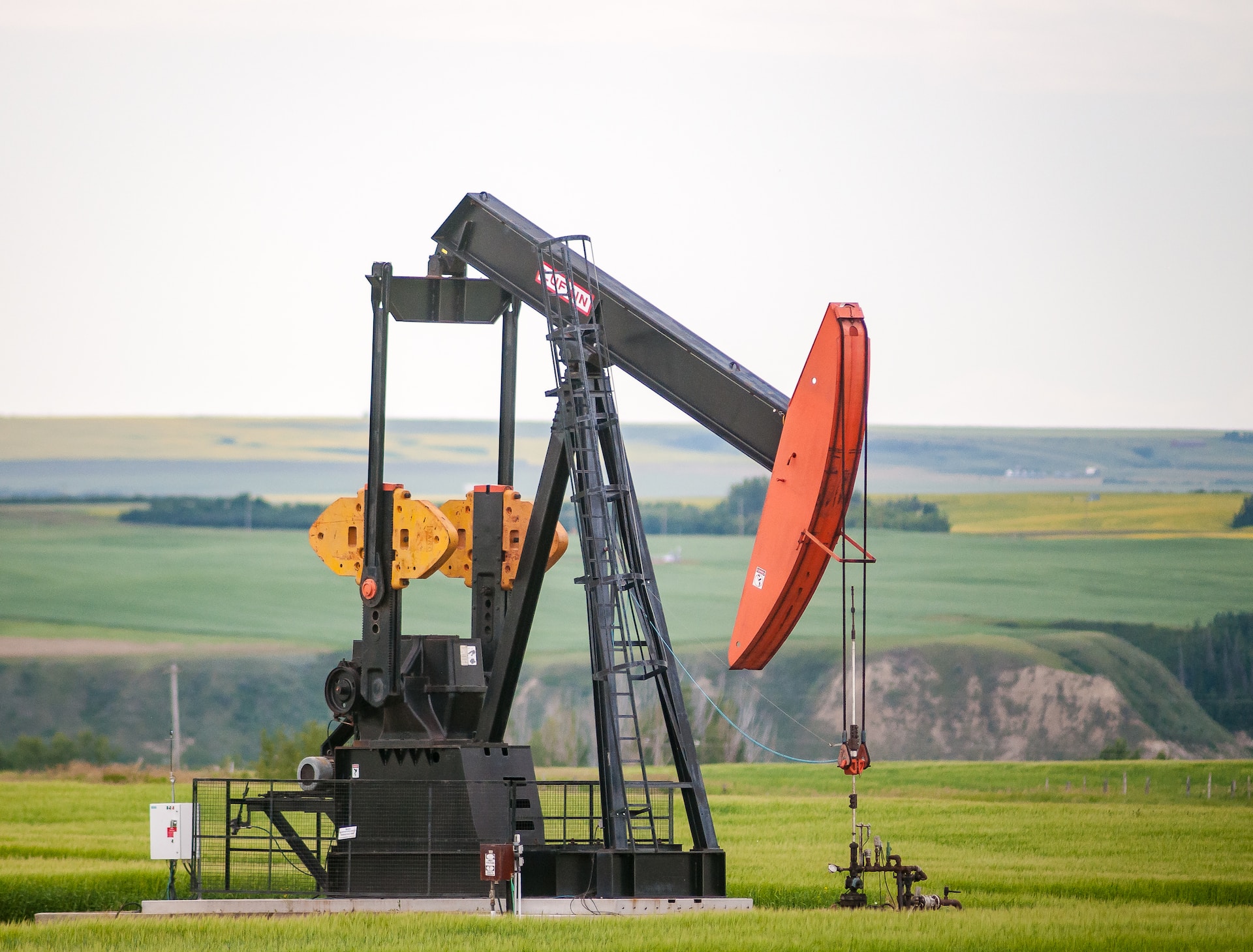
    Photo by David Thielen on Unsplash

  • Landing the Big One

    Landing the Big One

    Navigating a Top 10 Commodity Trade Deal

    Welcome to our first blog post at the new CommodityTrader.com! Today, we’re diving into the exhilarating world of high-stakes commodity trading. We’ll walk through the process of landing a significant commodity trade deal – specifically, a large monthly contract spanning 12 months. Let’s explore the steps, strategies, and real-life examples that illuminate the path to closing such a significant agreement.

    Understanding the Scope

    Before anything else, it’s crucial to understand the magnitude of a top 10 commodity trade deal. We’re talking about commodities like crude oil, gold, soybeans, or copper – assets that form the backbone of global trade. Securing a 12-month contract not only requires astute market knowledge but also a deep understanding of global economic trends.

    Step 1: Market Research and Analysis

    The first step is exhaustive market research. For instance, if you’re dealing with crude oil, understanding OPEC’s policies, production levels, and global demand forecasts is vital. Historical data analysis can reveal patterns and trends, aiding in accurate forecasting.

    Example:

    In 2021, a major trading firm anticipated a rise in copper prices due to increasing demand in the renewable energy sector. Their early positioning allowed them to secure favourable terms in a year-long contract.

    Step 2: Building Relationships and Networking

    Commodity trading thrives on relationships. Networking with producers, consumers, and intermediaries opens up opportunities and provides insights into market sentiments.

    Example:

    A U.S.-based trader expanded their network in the Brazilian soybean market. This connection proved invaluable in understanding local production issues, leading to a lucrative soybean export deal.

    Step 3: Risk Assessment and Management

    Every major deal carries risk. Understanding and managing these risks, like price volatility or geopolitical issues, is crucial. Tools like futures contracts and options can hedge against unforeseen market fluctuations.

    Example:

    In a large gold trading deal, the trader used futures contracts to hedge against market volatility, ensuring stable prices throughout the contract duration.

    Step 4: Negotiation and Deal Structuring

    Negotiation is where the deal takes shape. It’s about finding a win-win situation. Deal structuring might involve complex terms like pricing models, delivery schedules, and payment terms.

    Example:

    In a major LNG deal, the trader negotiated a pricing model linked to a basket of crude oil indices, ensuring a fair pricing mechanism for both parties.

    Step 5: Legal and Compliance

    Ensuring the deal complies with international trade laws and regulations is non-negotiable. This step often involves legal teams and can include drafting contracts, getting approvals, and ensuring ethical sourcing.

    Example:

    A major iron ore deal between Australia and China required thorough compliance with both countries’ export and import regulations.

    Step 6: Execution and Relationship Management

    After closing the deal, the focus shifts to execution. This involves logistics, quality control, and maintaining a good relationship with the counterparty.

    Example:

    A multi-million dollar wheat deal with a Middle Eastern country required meticulous logistical planning to ensure timely monthly deliveries.

    Conclusion

    Landing a significant commodity trade deal involves a blend of market intelligence, relationship management, strategic negotiation, and rigorous compliance. It’s a challenging yet rewarding endeavour that can significantly impact both the trader’s and the client’s bottom line. In the dynamic world of commodity trading, staying informed, adaptable, and connected is key to success.

    At CommodityTrader.com, we provide the tools, insights, and support to help you navigate these complex waters. Whether you’re eyeing your first big deal or looking to expand your portfolio, we’re here to guide you every step of the way.