• Uranium: Powering the Future, Understanding the Present

    Uranium: Powering the Future, Understanding the Present

    In the world of commodity trading, uranium stands out for its unique properties and critical role in modern energy generation. As the primary fuel for nuclear power plants, uranium’s significance extends far beyond its market value – it represents a cornerstone in the global quest for clean, reliable, and efficient energy sources. In this post, we will explore the world of uranium: its uses, market dynamics, and the implications of its trade in the current global energy landscape.

    The Role of Uranium in Energy Generation

    Uranium is a heavy metal with extraordinary energy-generating capabilities. It’s the fuel used in nuclear power plants, where it undergoes a process called nuclear fission. In fission, uranium atoms split to release a tremendous amount of heat, which is then used to generate electricity. This process is known for its efficiency and for producing a consistent and reliable power output.

    Global Uranium Reserves and Major Producers

    The world’s uranium reserves are vast yet unevenly distributed. Major reserves are found in countries like Kazakhstan, Canada, and Australia, which are also the top producers. Kazakhstan leads the world in uranium production, followed by Canada, known for its high-grade uranium deposits, and Australia, which possesses the largest known uranium reserves.

    Market Dynamics of Uranium

    Supply and Demand

    The uranium market is characterized by its complex supply-demand dynamics. The demand for uranium is directly tied to the health of the nuclear power industry. As countries seek low-carbon energy solutions, the demand for uranium is expected to grow. However, the development of new nuclear power plants is often slowed by high capital costs and regulatory challenges.

    Price Volatility

    Uranium prices have experienced significant volatility over the years. Factors such as changes in energy policies, environmental concerns, and geopolitical events can greatly impact the market.

    The Role of Governments

    The uranium market is heavily influenced by government policies. Many countries, viewing nuclear power as a strategic asset, maintain tight control over uranium mining and trading.

    The Future of Uranium

    Nuclear Energy and Climate Change

    As the world grapples with climate change, nuclear energy is often touted as a part of the solution, thanks to its low greenhouse gas emissions. This positions uranium as a critical resource in the global transition to cleaner energy sources.

    Advances in Nuclear Technology

    Advancements in nuclear technology, such as small modular reactors (SMRs) and next-generation reactors, could reshape the demand for uranium. These technologies promise to be safer, more efficient, and more adaptable to different environments.

    Uranium and Geopolitics

    The global nature of uranium trade makes it susceptible to geopolitical tensions. Issues around nuclear proliferation and security continue to influence uranium mining, trading, and international agreements.

    Conclusion

    Uranium’s role in the global energy mix is complex and multifaceted. As the world increasingly focuses on sustainability and security in energy sources, understanding the dynamics of the uranium market becomes more crucial. Whether you’re an investor, a policy-maker, or just an interested observer, staying informed about the developments in the uranium sector is essential. At CommodityTrader.com, we provide the insights and analyses to help you navigate this unique and vital market, keeping you ahead in the rapidly evolving world of energy commodities.

    Image by WikiImages from Pixabay
  • From Prairie to Port: The Diverse Agricultural Exports of Vancouver

    From Prairie to Port: The Diverse Agricultural Exports of Vancouver

    Nestled on the western coast of Canada, the Port of Vancouver stands as a bustling gateway, not just for Canada, but for North America’s rich agricultural bounty. As one of the world’s most versatile ports, it plays a pivotal role in the global export of a diverse array of Agricultural Exports. From the golden wheat fields of Western Canada to the orchards and vineyards of British Columbia, the Port of Vancouver serves as the critical junction where these agricultural treasures embark on their journey to international markets.

    Canada’s Agricultural Cornucopia: A Snapshot

    Before diving into the specifics of exporting wheat from Western Canada, let’s appreciate the broader agricultural landscape that converges at the Port of Vancouver. This port is a hub of activity for a variety of Canadian agricultural exports:

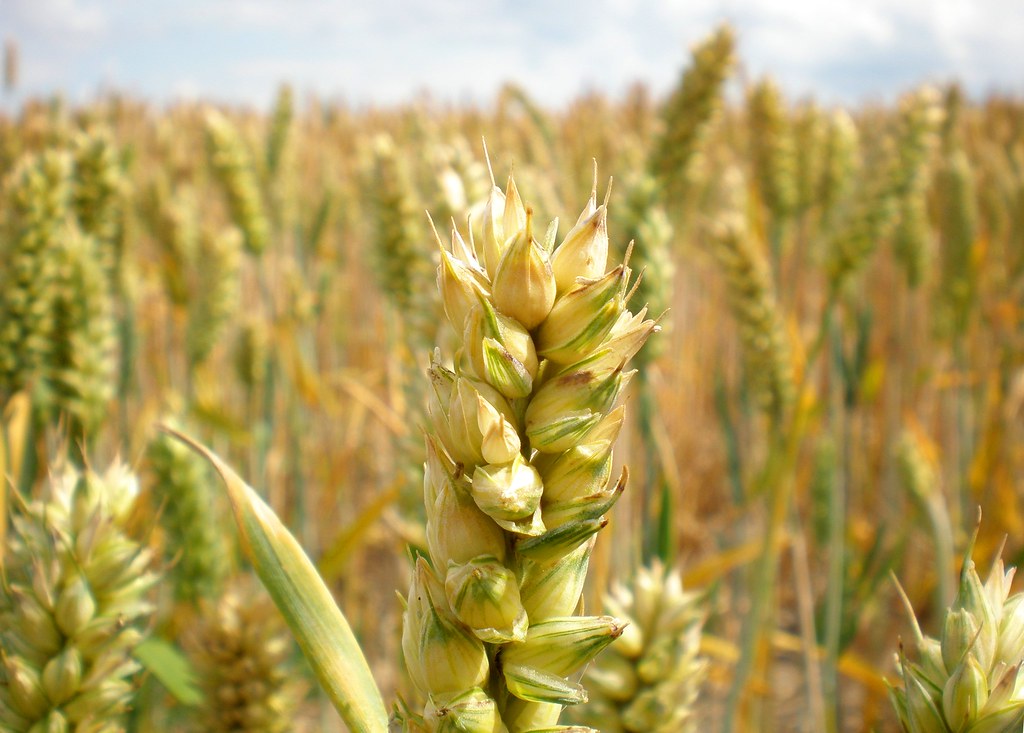
    • Grains and Cereals: Western Canada, with its vast and fertile prairies, is a powerhouse of grain production. Wheat, notably, is a major export, but the port also handles significant quantities of canola, barley, and other cereals.
    • Pulses and Legumes: Canada is a leading exporter of pulses like lentils and peas. These protein-rich crops, primarily grown in the prairies, find their way to international markets through the Port of Vancouver.
    • Fruits and Wine: British Columbia’s milder climate lends itself to fruit cultivation, particularly apples, cherries, and berries. The province’s burgeoning wine industry also sees its products exported worldwide.
    • Dairy and Meat Products: The port facilitates the export of high-quality dairy products and meats, including beef and pork, adhering to stringent quality standards.
    view of the port of vancouver in canada
    Photo by Kostas Dimopoulos on Pexels.com

    The Role of the Port of Vancouver

    The Port of Vancouver is more than just a shipping point; it’s a vital link in Canada’s agricultural supply chain. It offers state-of-the-art facilities and logistical solutions that ensure the efficient, safe, and timely transport of these diverse products to global destinations. Its strategic location and advanced infrastructure make it an indispensable asset for Canadian exporters looking to tap into international markets.

    As we zoom in on the export of wheat, a staple product in this impressive lineup, the significance of the Port of Vancouver becomes even more apparent. It’s not just a matter of loading cargo onto ships; it’s about maintaining the quality, ensuring compliance with international standards, and navigating the complexities of global trade.

    Grain Trade Essentials: Supplying Wheat from Western Canada”

    At CommodityTrader.com, we understand the intricacies of the global grain market, particularly when it comes to exporting commodities like wheat from productive regions such as Western Canada. This blog post is designed to walk you through the key steps and necessary documentation for successfully supplying wheat from Western Canada, a region known for its high-quality grain. Whether you’re a seasoned trader or new to the industry, understanding this process is crucial for smooth and efficient transactions.

    Step 1: Understanding the Market and Securing a Contract

    Market Research

    • Familiarize yourself with the Western Canadian wheat market, including the types of wheat available, current market prices, and quality standards.

    Contract Negotiation

    • Secure a contract with a buyer. The contract should detail the quantity, quality (such as protein content), price, delivery terms (Incoterms), and payment terms.

    Step 2: Legal and Regulatory Compliance

    Export Permits and Regulations

    • Ensure compliance with Canadian grain export regulations. This may involve obtaining necessary export permits and ensuring adherence to international trade laws.

    Phytosanitary Certificates

    • Obtain a phytosanitary certificate from the Canadian Food Inspection Agency (CFIA), certifying that the wheat is free from pests and meets the importing country’s health standards.

    Step 3: Quality Assurance

    Grain Inspection

    • Prior to shipment, the wheat should be inspected and graded according to Canadian Grain Commission (CGC) standards. This ensures the quality and weight meet the contract specifications.

    Quality Certification

    • Obtain a quality certification document from an accredited agency, providing proof of the wheat’s grade and quality.

    Step 4: Arranging Logistics

    Transportation

    • Organize transportation logistics. Wheat from Western Canada is typically transported via rail or truck to port facilities and then shipped overseas.

    Storage and Handling

    • Ensure proper storage and handling to maintain the quality of the wheat until it reaches the port for export.

    Step 5: Documentation for Export

    Sales and Purchase Agreement (SPA)

    • This is the primary legal document outlining the terms of the sale.

    Bill of Lading

    • Obtain a Bill of Lading from the transportation company. This serves as a receipt for the shipped goods and a document of title.

    Export Declaration

    • Complete an export declaration to be filed with the Canadian Border Services Agency (CBSA).

    Insurance Documents

    • Secure cargo insurance to protect against loss or damage during transit.

    Letter of Credit

    • If applicable, arrange a Letter of Credit from the buyer’s bank to ensure payment security.

    Step 6: Post-Shipment Monitoring

    Tracking and Communication

    • Track the shipment and maintain communication with the buyer, providing updates on the shipment status.

    Feedback and Resolution

    • Once the wheat is delivered, solicit feedback from the buyer and promptly address any concerns or disputes that may arise.

    Agricultural Exports Conclusion

    Exporting wheat from Western Canada involves a detailed process, from understanding the market to fulfilling legal requirements and ensuring quality standards. It’s a process that demands thoroughness, attention to detail, and a deep understanding of the grain trade. At CommodityTrader.com, we equip our clients with the knowledge and tools needed to navigate this process successfully, ensuring a smooth and profitable trading experience in the dynamic world of Agricultural Exports.

  • The Fast Track to Fuel Supply: Meeting Governmental Needs for EN590 Diesel and Gasoline

    The Fast Track to Fuel Supply: Meeting Governmental Needs for EN590 Diesel and Gasoline

    In the dynamic world of commodity trading, supplying large quantities of fuel to government entities is a complex but rewarding endeavor. A recent request we encountered at CommodityTrader.com involved the immediate supply of approximately 50,000 metric tons (MT) of EN590 Diesel and a similar quantity of Gasoline, with the contract extending over several months as specified by the buyer. In this blog post, we’ll outline the essential steps and documentation required to fulfill such a significant order, focusing on the urgency and continuity of supply.

    Step 1: Initial Agreement and Contract Negotiation

    Understanding Buyer Requirements

    • The first step is to have a clear understanding of the buyer’s requirements, including the quantity, quality specifications (such as EN590 for diesel), delivery timeline, and duration of the supply contract.

    Drafting the Agreement

    • A formal agreement or contract should be drafted, outlining all terms and conditions, including price, payment terms, delivery schedule, and specifications of the fuel.

    Step 2: Compliance and Approval

    Government Regulations

    • It’s crucial to comply with all relevant government regulations in both the supplier’s and buyer’s countries. This includes export-import laws, fuel quality standards, and any specific legal requirements for government contracts.

    Obtaining Necessary Approvals

    • Depending on the jurisdictions involved, specific government approvals or licenses may be required to export fuel.

    Step 3: Arranging Logistics

    Immediate Mobilization

    • Given the urgency of the request (10 to 15 days from the date of agreement), immediate steps must be taken to mobilize the fuel. This involves coordinating with refineries, storage facilities, and logistics companies.

    Continuous Supply

    • For ongoing monthly supplies, establish a reliable logistics chain that can sustain regular deliveries. This includes securing long-term agreements with shipping companies and ensuring consistent availability of the product.

    Step 4: Documentation and Legalities

    Essential Documents

    • Key documents include the Sales and Purchase Agreement (SPA), Proof of Product (POP), export and import licenses, shipping documents like the Bill of Lading, insurance documents, and Quality and Quantity (Q&Q) certificates.

    Letters of Credit

    • Secure a Letter of Credit (LC) from the buyer to guarantee payment. LCs are crucial in large-scale international commodity transactions.

    Step 5: Quality Assurance and Inspection

    Third-Party Inspection

    • Before shipment, a third-party inspection should be conducted to ensure the fuel meets the required specifications and standards.

    Continuous Quality Monitoring

    • For ongoing supplies, regular quality checks are essential to maintain the standards and fulfill the contract terms.

    Step 6: Delivery and Post-Delivery

    Timely Delivery

    • Ensure that the first delivery is made within the stipulated 10 to 15-day window. This sets a precedent for the reliability of future deliveries.

    Monthly Follow-Ups

    • After the initial delivery, regular follow-ups and coordination are necessary to maintain the monthly supply schedule.

    Feedback and Adjustments

    • Regular feedback from the buyer should be sought, and any necessary adjustments to the supply chain or product should be made promptly.

    Conclusion

    Supplying a large quantity of fuel to a government entity on an immediate and ongoing basis is a multifaceted process that requires meticulous planning, adherence to legal and quality standards, and efficient logistics. It is a task that demands attention to detail, reliability, and the ability to adapt to changing requirements. At CommodityTrader.com, we specialize in navigating these complexities, ensuring that our clients can fulfill such substantial and time-sensitive contracts effectively and efficiently. Whether you’re a seasoned trader or new to the world of commodity trading, understanding the intricacies of such transactions is crucial for success.

    Gasoline Photo by Christian Lue on Unsplash

  • Why Commodity Indices Matter

    Why Commodity Indices Matter

    Navigating the Complex World of Commodities

    In the dynamic world of commodity trading, indices play a pivotal role. At CommodityTrader.com, we often emphasize the importance of understanding and monitoring commodity indices. But why do these indices matter so much? In this blog post, we will explore the significance of commodity indices such as the S&P GSCI, Bloomberg Commodity Index, and Dow Jones Commodity Index, and how they can be essential tools for traders, investors, and market analysts.

    What Are Commodity Indices?

    Commodity indices track the price movements of a basket of commodities. These indices can include a wide range of commodities, from energy and metals to agricultural products. They provide a composite overview of the commodity market’s performance and are often used as benchmarks for investors and traders.

    The Importance of this Data

    Market Trend Analysis:

    • Commodity index data offer a macro view of the commodity markets. By analyzing these indices, traders and investors can gauge general market trends, which is essential for making informed decisions.

    Benchmarking Performance:

    • Investors and fund managers use commodity indices to benchmark the performance of their portfolios. This helps in assessing whether an investment strategy is outperforming or underperforming the market.

    Diversification Strategy:

    • For those looking to diversify their investment portfolio, commodity index data provides a way to gain exposure to a range of commodities without having to invest in each one individually.

    Risk Management:

    • Understanding the movement of commodity indices can help in managing risk. These indices can act as a guide to the market’s sentiment, helping investors to strategize and hedge their risks more effectively.

    Economic Indicators:

    • Commodity prices often reflect broader economic trends. For instance, rising energy prices in an index could indicate increasing industrial activity and economic growth. As such, indices can be valuable economic indicators.

    Case Studies: How Commodity Index Data Impact Trading

    Example 1: Energy Sector Volatility

    • The S&P GSCI, with its heavy weighting towards energy commodities, can be particularly sensitive to changes in the energy sector. Traders monitoring this index in 2020 would have been aware of the dramatic fluctuations in oil prices, allowing them to adjust their strategies accordingly.

    Example 2: Agricultural Commodities in BCOM

    • The Bloomberg Commodity Index, which includes a significant portion of agricultural commodities, gives insight into trends in the agriculture sector. For instance, a rise in this index could indicate potential opportunities in agricultural commodities trading.

    The Future of Commodity Indices

    Looking ahead, the role of commodity indices will likely continue to evolve. As global economic conditions change and new commodities (like green energy resources) gain prominence, these indices will adapt, offering fresh insights and opportunities for market participants.

    Conclusion

    Commodity indices are more than just benchmarks; they are windows into the complex and ever-changing world of commodity trading. Whether you are a seasoned trader, a new investor, or an interested observer, understanding these indices is key to navigating the commodities market. At CommodityTrader.com, we provide the tools, insights, and analysis to help you stay on top of these crucial market indicators. Keep following us for more insights into the fascinating world of commodity trading!

    Image by 3844328 from Pixabay

  • The Fascinating World of Rare Earths: 8 Abundant but Elusive Elements

    The Fascinating World of Rare Earths: 8 Abundant but Elusive Elements

    Rare earth elements have always lived up to their name – rare. However, within this classification, there are eight rare earths that are relatively abundant in the Earth’s crust, making them more accessible for mining than some of their counterparts. In this blog post, we’ll explore these fascinating elements, their properties, and why they are considered rare despite their abundance.

    Rare Earths

    Cerium (Ce)

    Cerium is the most abundant rare earth element, and it is more common in the Earth’s crust than copper or lead. Despite this abundance, cerium is still considered “rare” due to its dispersion and difficulty in extracting it in concentrated forms. It is essential for a variety of applications, from catalysts in automotive exhaust systems to glass polishing.

    Lanthanum (La)

    Lanthanum is the second most abundant rare earth element and is often found alongside cerium. It has various industrial applications, including in the production of rechargeable batteries, camera lenses, and even in petroleum refining. Lanthanum is abundant but challenging to extract in high concentrations.

    Neodymium (Nd)

    Neodymium is widely known for its use in powerful magnets, such as those found in headphones and electric vehicle motors. While it is more accessible than some other rare earths, mining and processing neodymium still pose significant challenges due to its low natural concentrations.

    Praseodymium (Pr)

    Praseodymium is another abundant rare earth element, frequently found alongside neodymium. It is crucial for high-strength alloys and magnetic materials, yet it remains “rare” due to the challenges associated with extracting and refining it.

    Samarium (Sm)

    Samarium is used in specialized magnets, nuclear reactors, and even in the treatment of certain cancers. While not as rare as some of its counterparts, samarium still requires careful extraction and refining processes.

    Europium (Eu)

    Europium is essential in the manufacturing of color television screens and energy-efficient lighting. Despite being more abundant than some other rare earths, its specialized applications make it relatively rare in minable concentrations.

    Gadolinium (Gd)

    Gadolinium is a critical component in the development of magnetic resonance imaging (MRI) contrast agents. It is relatively abundant, but its importance in the medical field keeps it in demand, making it valuable.

    Terbium (Tb)

    Terbium is used in the production of color phosphors for televisions and computer screens, as well as in certain types of energy-efficient lighting. Although more abundant than some rare earths, it remains challenging to mine and refine.

    Why Are These Elements Rare?

    The rarity of these abundant rare earth elements lies in their distribution and the difficulty in extracting them in concentrated forms. Unlike more common elements like iron or aluminum, rare earths are dispersed throughout the Earth’s crust and are often found mixed with other minerals, making extraction complex and costly.

    Furthermore, the environmental impact of rare earth mining and processing has led to stricter regulations, making it essential for mining companies to employ sustainable and responsible practices.

    Conclusion

    While these eight rare earth elements may be relatively abundant in the Earth’s crust compared to their scarcer counterparts, their rarity lies in the challenges associated with mining, refining, and processing them. The demand for these elements continues to grow in various industries, from electronics to healthcare, highlighting the importance of responsible mining practices and the need for ongoing research into alternative sources and recycling methods. As we look to the future, understanding and managing these rare resources will be crucial for sustaining our modern way of life.

    Stones Image by Sara from Pixabay

  • Orange Juice, Cocoa, Coffee: The Surging Stars of the Commodity Market

    Orange Juice, Cocoa, Coffee: The Surging Stars of the Commodity Market

    The Unexpected Rise in the Face of Global Declines

    In a year marked by economic uncertainties and fluctuating markets, three commodities have emerged as the unexpected stars: orange juice, cocoa, and coffee. These products have not only defied the broader trend of the commodity market but have also shown remarkable resilience and growth.

    Orange Juice: Squeezing Out 100% Gains

    The story of orange juice futures is nothing short of extraordinary. As of November 22, these futures topped an astonishing 100% gain for the year. This surge is primarily due to the supply shortages in Florida, the nation’s top citrus-producing state. Florida has been grappling with a dual challenge: combating a severe disease affecting its orange groves and recovering from devastating storms. These factors have squeezed the supply chain, leading to a dramatic increase in prices.

    Cocoa: Bitter-Sweet Rise of 79%

    Cocoa futures, too, have seen a significant uptick, closing at the end of November with a 79% increase. This sharp rise can be attributed to the adverse weather conditions induced by El Niño, which severely impacted the harvests in Ivory Coast and Ghana. As some of the world’s largest cocoa producers, any disruption in their output has a ripple effect on global cocoa prices, turning the usually bittersweet commodity into a hot asset in the market.

    Coffee: Brewing Up a Storm

    Coffee futures have also joined this elite group of surging commodities. While specific figures for coffee aren’t mentioned, it’s evident from the market trends that coffee has experienced a notable increase, aligning with the trajectory of orange juice and cocoa. Factors contributing to this rise could include climate-related challenges in major coffee-producing regions and shifting global demand patterns.

    Contrast with the Broader Market and the UN’s Global Food Index

    What makes these increases even more striking is the contrast with the broader commodity market and the United Nations’ global food index, both of which have witnessed declines over the same period. This divergence highlights the unique factors influencing the orange juice, cocoa, and coffee markets, which range from environmental challenges to supply chain disruptions.

    The Outlook

    As we move forward, the outlook for these commodities remains a topic of keen interest for traders and consumers alike. The ongoing challenges in the producing regions suggest that these commodities might continue to experience volatility and potentially high prices. However, as with any market, the dynamics are complex, and various factors could influence future trends.

    In conclusion, while the broader commodity market faces its set of challenges, orange juice, cocoa, and coffee have brewed up a storm, emerging as the standout performers in a volatile economic landscape. As we keep an eye on these markets, their journey offers valuable insights into the intricate interplay of global supply, demand, and environmental factors shaping the world of commodities.

    Commodity Market Image by Myriams-Fotos from Pixabay

  • Decoding the Global Cocoa Market: Top Exporters and Market Trends

    Decoding the Global Cocoa Market: Top Exporters and Market Trends

    Welcome to the latest post on CommodityTrader.com! Today, we delve into the rich and flavorful world of cocoa beans. Cocoa, the essential ingredient in chocolate, is a commodity that holds a special place in both the culinary and commodities markets. In this post, we’ll explore the top exporters of cocoa beans, both whole and broken, raw or roasted, and examine the current market trends and statistics that shape this delectable market.

    The Top Exporters of Cocoa Beans

    The global cocoa market is dominated by a few key players, with the majority of production coming from West Africa.

    1. Côte d’Ivoire (Ivory Coast)

    • Market Share and Statistics: Côte d’Ivoire stands as the world’s largest cocoa producer and exporter, contributing about 40% of the world’s supply. The country exported approximately 2.2 million metric tons of cocoa beans in the recent crop year.
    • Market Characteristics: The Ivorian cocoa industry is known for its large-scale farming operations and significant government involvement.

    2. Ghana

    • Market Share and Statistics: Following closely, Ghana is the second-largest exporter of cocoa, accounting for about 20% of the global cocoa supply. Its exports totaled around 1 million metric tons in the recent crop year.
    • Market Characteristics: Ghana’s cocoa is renowned for its high quality. The Ghanaian government plays an active role in the cocoa industry, setting prices and policies.

    3. Ecuador

    • Market Share and Statistics: As the largest exporter in Latin America, Ecuador is known for its fine flavor and aroma beans. It contributes around 7% of the world’s cocoa production.
    • Market Characteristics: Ecuador’s cocoa industry is characterized by smaller-scale farms and a focus on premium varieties.

    4. Nigeria

    • Market Share and Statistics: Nigeria is also a significant player, contributing about 5% to the global cocoa output.
    • Market Characteristics: The Nigerian cocoa sector is marked by both smallholder farms and larger commercial operations.

    Global Market Trends

    Growing Demand for Quality and Sustainable Products

    • There’s an increasing demand for high-quality, ethically sourced cocoa beans. Consumers are more aware of the origins of their chocolate and the conditions under which the cocoa was produced.

    Price Volatility

    • Cocoa prices are subject to volatility, influenced by factors like weather conditions in key growing regions, political instability, and global demand shifts.

    Technological Advancements

    • Innovations in agriculture and processing are transforming the cocoa industry, improving yield and quality.

    The Impact of COVID-19

    • The pandemic has affected the global commodity market in various ways, from disrupting supply chains to impacting consumer demand patterns.

    The Future Outlook

    • Sustainability Focus: There’s a growing emphasis on sustainable and responsible cocoa farming practices.
    • Market Diversification: Newer markets, like Asia, are emerging as significant consumers of cocoa.
    • Health-Conscious Trends: The health benefits of dark chocolate are likely to continue driving the demand for high-quality cocoa.

    Conclusion

    The global cocoa market is as complex as it is fascinating. For traders and investors, understanding the nuances of this market – from the top exporters to the evolving consumer trends – is crucial. At CommodityTrader.com, we provide the insights and analysis you need to navigate this sweet yet sophisticated market. Whether you’re a seasoned trader or new to the world of cocoa, we’re here to help you make the most of these delicious opportunities!

    Chocolate Cocoa Photo by Tetiana Bykovets on Unsplash

  • Sweet Success: Brazil’s Domination in the Global Sugar Market

    Sweet Success: Brazil’s Domination in the Global Sugar Market

    Welcome to our latest exploration at CommodityTrader.com. Today, we’re taking a closer look at one of the sweetest spots in the commodities market – Sugar from Brazil. As the world’s largest sugar producer and exporter, Brazil plays a pivotal role in shaping the global sugar trade. Let’s dive into the details of Brazil’s sugar industry and its recent trade figures, understanding why this nation is a key player in the sweet world of sugar.

    Brazil’s Sweet Dominance

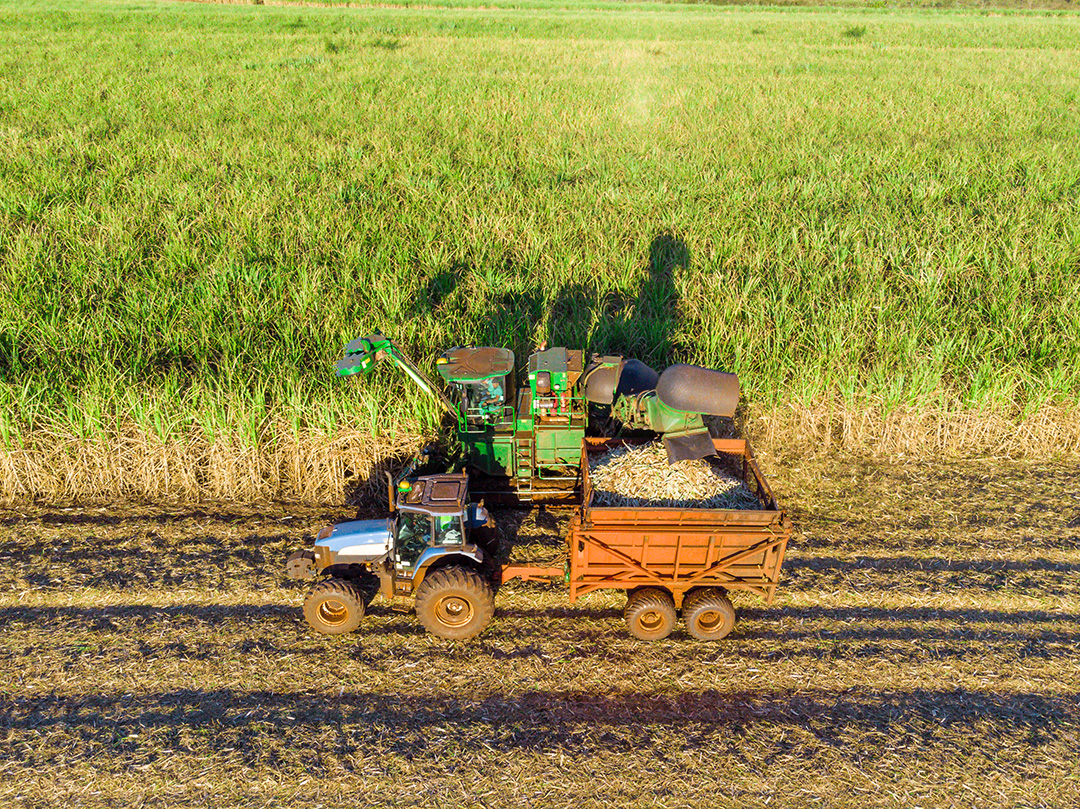
    Brazil is not just a major player; it is the kingpin in the global sugar market. Its vast sugarcane fields, primarily located in the South-Central region, contribute significantly to the country’s economy.

    Why Brazil?

    • Ideal Growing Conditions: Brazil’s climate and soil are perfect for sugarcane cultivation, allowing for high-quality and efficient sugar production.
    • Massive Production Scale: The scale of production in Brazil is unmatched, with vast plantations and advanced agricultural techniques.

    Recent Trade Figures

    Brazil’s dominance in the sugar market is reflected in its impressive trade figures:

    • Exports: Brazil exported approximately 29.5 million metric tons of sugar in the 2020/2021 season, solidifying its position as the world’s largest sugar exporter.
    • Market Share: These exports represent a significant portion of the global sugar market, with Brazil holding around 45% of the world’s sugar exports.

    The Global Impact

    Price Influence

    • Brazil’s sugar market significantly influences global sugar prices. Changes in Brazil’s production, due to factors like weather or policy shifts, can cause ripples in global prices.

    Ethanol Production

    • A unique aspect of Brazil’s sugar industry is its significant role in ethanol production. Sugarcane ethanol is a major biofuel in Brazil, and fluctuations in the ethanol market can impact sugar production and exports.

    Challenges and Opportunities

    While Brazil’s sugar industry is thriving, it also faces unique challenges and opportunities:

    • Environmental Concerns: There’s growing scrutiny over the environmental impact of sugarcane cultivation, particularly regarding land use and deforestation.
    • Market Fluctuations: Global market trends, trade policies, and bilateral agreements continually shape Brazil’s sugar trade dynamics.
    • Ethanol vs. Sugar Production: The balance between sugar and ethanol production is crucial, as it affects Brazil’s supply in the global sugar market.

    How CommodityTrader.com Can Help

    For those interested in trading or investing in sugar, Brazil’s market is an area of great potential. Here’s how CommodityTrader.com can assist:

    • Market Insights: We provide up-to-date information and analyses on Brazil’s sugar market and global trends.
    • Trading Strategies: Our experts can help you navigate the volatile sugar market with tailored trading strategies.
    • Risk Management: We offer tools and advice to mitigate risks associated with trading in commodities like sugar.
    Conclusion

    Brazil’s role in the global sugar market is a testament to its agricultural prowess and strategic significance in the commodities market. Understanding Brazil’s sugar industry is key for traders, investors, and stakeholders in the global food and energy sectors. At CommodityTrader.com, we’re here to provide you with the insights and support needed to capitalize on the opportunities presented by Brazil’s sweet commodity. Join us as we continue to explore the fascinating dynamics of the global commodities market.

  • Unveiling the Riches of South Africa: A Treasure Trove of Minerals

    Unveiling the Riches of South Africa: A Treasure Trove of Minerals

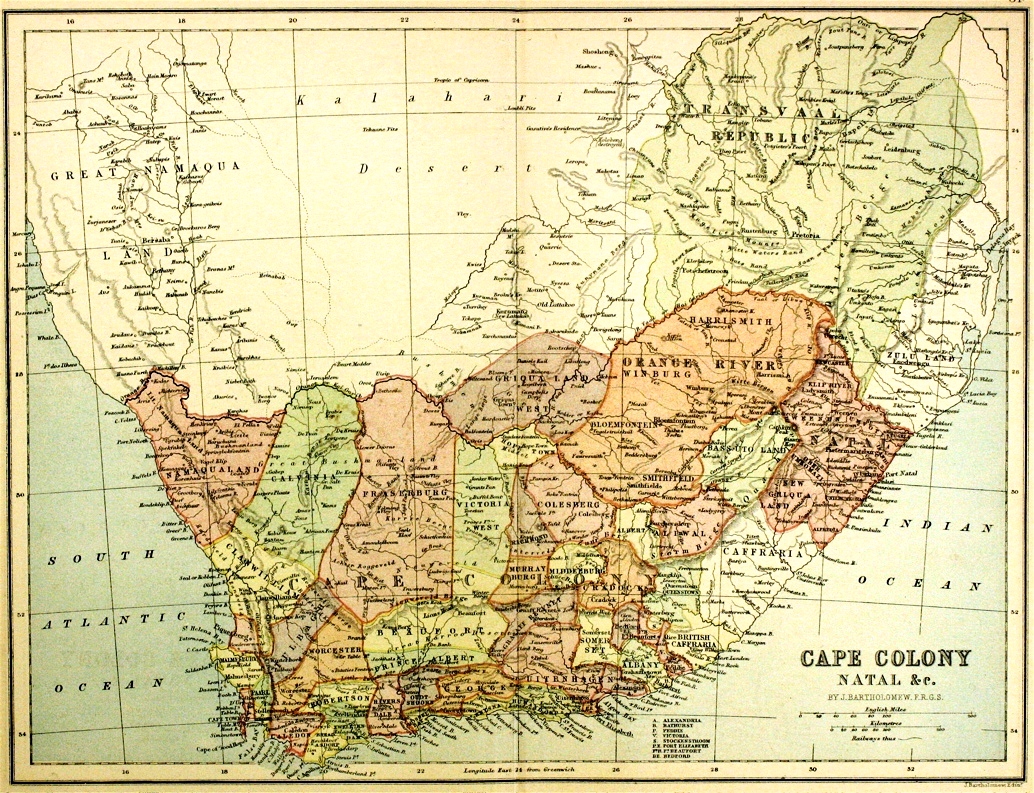
    Welcome to our latest blog post at CommodityTrader.com. Today, we’re excited to spotlight our access to one of the world’s most mineral-rich regions – South Africa. While globally renowned for its diamonds and gold, South Africa’s mineral wealth extends far beyond these precious commodities. We have privileged access to a diverse range of minerals, including iron ore, platinum, manganese, chromium, copper, uranium, silver, beryllium, and titanium. Let’s explore these riches and what they mean for our clients.

    Beyond Diamonds and Gold: South Africa’s Mineral Wealth

    South Africa’s geological canvas is a vibrant mosaic of mineral resources. Here’s a snapshot of the key minerals we have access to:

    Iron Ore

    • The bedrock of the steel industry, iron ore is a staple in global construction and manufacturing.

    Platinum

    • With uses ranging from jewelry to catalytic converters in vehicles, platinum’s versatility makes it highly sought after.

    Manganese

    • Essential in steel production, manganese is a critical component in improving strength and durability.

    Chromium

    • Known for its anti-corrosive properties, chromium is vital in stainless steel production and various metal finishes.

    Copper

    • Integral to electrical wiring and electronics, copper’s demand is perpetually strong.

    Uranium

    • As a key fuel for nuclear power, uranium’s significance is growing in the clean energy sector.

    Silver, Beryllium, and Titanium

    • These metals have diverse applications, from jewelry and silverware to aerospace and medical devices.
    An aerial view of the Two Rivers mine in Steelpoort, Limpopo, owned by both African Rainbow Minerals and Impala Platinum holdings limited.
    An aerial view of the Two Rivers mine in Steelpoort, Limpopo, owned by both African Rainbow Minerals and Impala Platinum holdings limited.

    Why South African Minerals?

    Quality and Diversity

    • The quality and variety of South African minerals are unmatched. This diversity opens up a world of opportunities for different industries.

    Stable Supply

    • Our strong partnerships and networks in South Africa ensure a consistent and reliable supply of minerals.

    Ethical and Sustainable Practices

    • We are committed to responsible sourcing practices, ensuring that our minerals are extracted and processed ethically and sustainably.

    Our Services

    At CommodityTrader.com, we provide more than just access to these resources:

    Expert Insights and Market Analysis

    • Our team offers deep insights into the market dynamics of these minerals, helping you make informed investment and trading decisions.

    Customized Solutions

    • We understand that each client’s needs are unique. Our services are tailored to meet your specific requirements, whether in procurement, logistics, or risk management.

    Global Reach, Local Expertise

    • Our global presence, combined with local knowledge and expertise, positions us uniquely to serve you better.

    How You Can Benefit

    For Investors and Manufacturers

    • Our access to South African minerals provides a strategic advantage in sourcing high-quality raw materials.

    For Traders

    • The diversity of our mineral portfolio opens up numerous trading opportunities in both established and emerging markets.

    For End Users

    • From technology to construction, our minerals play a crucial role in various supply chains, contributing to the growth and success of your business.

    Conclusion

    South Africa’s mineral wealth is a cornerstone of the global commodities market, and at CommodityTrader.com, we are thrilled to offer our clients access to these valuable resources. Whether you’re looking to invest in the robust gold and diamond markets or explore opportunities in industrial minerals like iron ore and platinum, we have the expertise and resources to guide your journey. Join us in tapping into the rich mineral treasures of South Africa and unlock the potential for substantial growth and success in your ventures.

  • Chicken Feet Craze: China’s Growing Demand and Global Trade Dynamics

    Chicken Feet Craze: China’s Growing Demand and Global Trade Dynamics

    Welcome to another insightful post on CommodityTrader.com. Today, we’re delving into an intriguing and perhaps surprising trend in the global food commodities market – the soaring demand for chicken feet in China. This niche product, often overlooked in many Western countries, has become a culinary delicacy and a significant import item in China. Let’s explore why this is happening, where China is sourcing from, and the steps necessary for exporting chicken parts to this vast market.

    Why the Surge in Demand?

    Cultural Preferences and Culinary Traditions

    • In China, chicken feet, known as “phoenix claws,” are a prized delicacy. They are savored for their unique texture and flavor and are a staple in dim sum and various traditional dishes.
    • This culinary preference dates back centuries and is deeply embedded in Chinese cuisine and culture.

    Health Perceptions

    • Chicken feet are believed to have health benefits, including being rich in collagen, which is thought to promote skin health and joint mobility.

    Key Sources of Import

    China’s domestic production of chicken does not meet its massive demand, leading to significant imports. The major exporters to China include:

    The United States

    • The U.S. has been a key supplier, although trade dynamics have been influenced by tariffs and trade policies in recent years.

    Brazil and Argentina

    • South American countries, particularly Brazil and Argentina, have become significant exporters of chicken feet to China. Their poultry industries are well-established and meet the stringent quality standards required by Chinese importers.

    Steps for Exporting Chicken to China

    Understanding Market Requirements

    • Compliance with China’s food safety and quality standards is crucial. This includes meeting specific health and safety regulations and obtaining necessary certifications.

    Establishing Supply Chains

    • Securing a reliable supply of high-quality chicken feet is essential. This often involves partnering with large poultry processors who can provide consistent quality and volume.

    Navigating Trade Policies

    • Exporters must stay informed about the latest trade policies, tariffs, and bilateral agreements between their home country and China.

    Building Relationships

    • Establishing strong relationships with Chinese importers and understanding the nuances of Chinese business culture is key to long-term success.

    Logistics and Shipping

    • Efficient logistics and cold chain management are crucial for transporting a perishable product like chicken feet across long distances.

    Economic Impacts

    For Exporting Countries

    • The demand for chicken feet, which are less valued in many Western countries, has opened up lucrative markets for poultry processors in these regions.

    For China

    • Importing chicken feet helps satisfy local demand and contributes to the diversity of the Chinese culinary scene.

    Conclusion

    The growing demand for chicken feet in China is a fascinating example of how specific cultural tastes can shape global trade dynamics. For exporters, tapping into this market requires a thorough understanding of regulatory standards, effective supply chain management, and cultural sensibilities.

    At CommodityTrader.com, we provide the insights and guidance needed to navigate these unique market opportunities. Whether you’re an established trader or looking to explore new markets, understanding the complexities of commodities like chicken feet is key to success in the global trade arena.