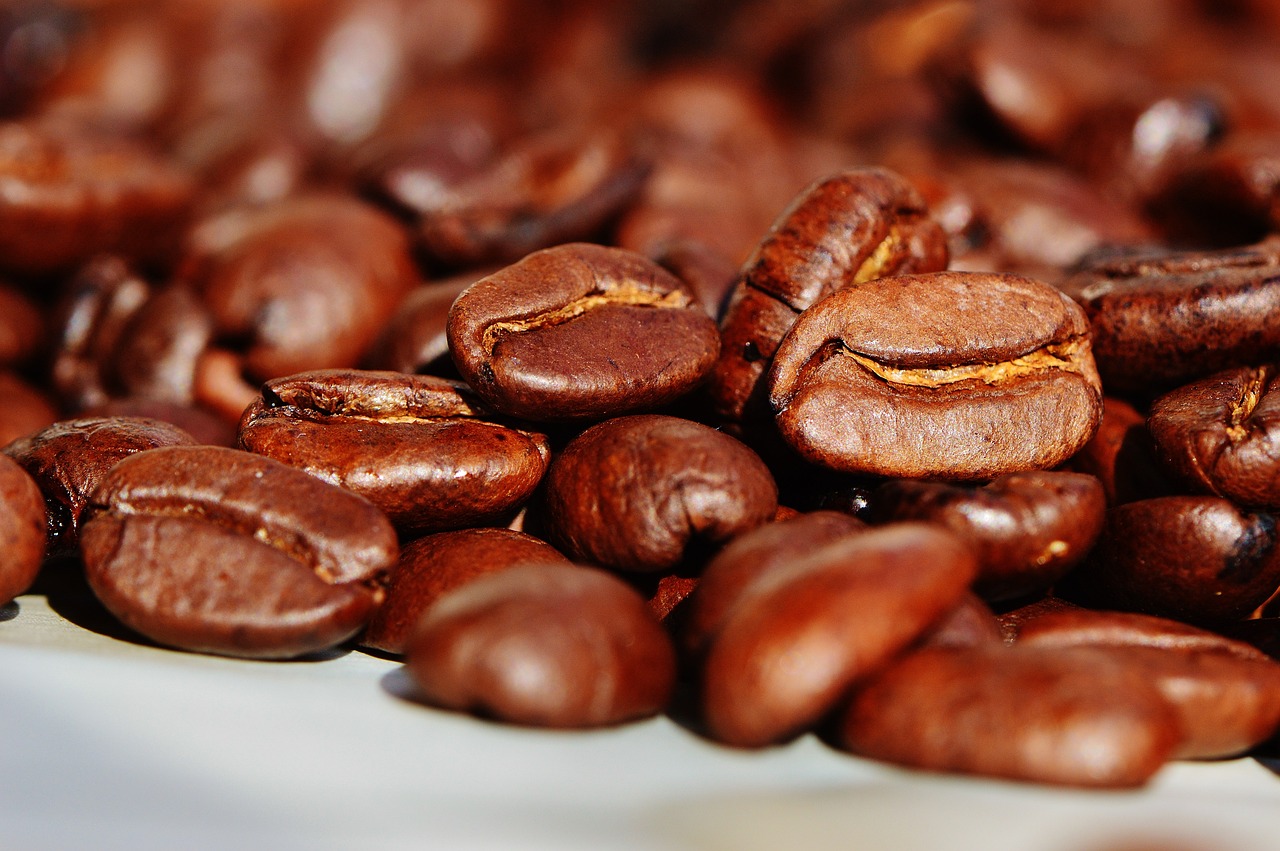
Tag: coffee

  • Breakfast Commodities: Trends, Correlations, and Future Outlook

    Breakfast Commodities: Trends, Correlations, and Future Outlook

    A Staple in Every Portfolio: Understanding Breakfast Commodities

    For commodity traders, breakfast commodities—such as coffee, orange juice, wheat (for bread and cereals), sugar, and cocoa (for chocolate spreads and hot cocoa)—present a unique market segment. This blog post delves into how these commodities correlate, their past performance, and projections for their future in the global market.

    The Interconnected World of Breakfast Commodities

    Breakfast commodities are often intertwined in their market dynamics due to several factors:

    Consumer Habits: Shifts in breakfast preferences can simultaneously affect multiple commodities. For example, a trend towards healthier breakfast options may boost demand for orange juice while decreasing demand for sugar.

    Geopolitical Factors: Many breakfast commodities are grown in geopolitically sensitive regions. Political instability in one of these areas can impact prices across the board.

    Weather and Climate Change: As agricultural products, these commodities are susceptible to weather patterns and climate change, which can affect yields and quality.

    Past Performance: A Rollercoaster of Market Dynamics

    Historically, breakfast commodities have shown a mix of volatility and stability:

    • Coffee: Often volatile due to factors like Brazilian weather conditions and varying demand trends.
    • Orange Juice: Prices have fluctuated significantly in response to weather events, especially hurricanes in Florida and droughts in Brazil.
    • Wheat and Sugar: These staples have experienced price fluctuations driven by global supply changes, policy reforms, and energy market dynamics (for sugar).
    • Cocoa: Prices have been influenced by conditions in West Africa, which produces a significant portion of the world’s cocoa.

    Future Projections: Trends to Watch

    Looking forward, several factors are likely to shape the future of breakfast commodities:

    Climate Change Impact: With changing climate patterns, agricultural yields and quality for these commodities could face significant impacts, influencing market dynamics.

    Health and Dietary Trends: Growing health consciousness among consumers may lead to increased demand for certain commodities, like whole grains and natural juices, while decreasing demand for others, like sugar.

    Technological Advancements: Innovations in agriculture and food processing could improve yields and reduce costs, potentially stabilizing prices.

    Global Economic Trends: Economic growth in emerging markets could lead to increased demand for these commodities, while economic downturns might have the opposite effect.

    Investment Considerations

    For commodity traders, investment in breakfast commodities requires a keen understanding of these dynamics. Diversification across different commodities, constant monitoring of global trends, and a proactive approach to managing risks are key strategies for navigating this sector.

    Conclusion: A Segment Full of Potential

    In conclusion, breakfast commodities represent a fascinating and dynamic segment of the global commodity market. Their interconnected nature, combined with the influence of various global factors, makes them both challenging and potentially rewarding for traders. Staying informed and agile in response to market changes will be crucial for those looking to capitalize on the opportunities these commodities present in the future.

    Image by Elenildo Ferreira Artpix Comunicação visual from Pixabay

  • Orange Juice, Cocoa, Coffee: The Surging Stars of the Commodity Market

    Orange Juice, Cocoa, Coffee: The Surging Stars of the Commodity Market

    The Unexpected Rise in the Face of Global Declines

    In a year marked by economic uncertainties and fluctuating markets, three commodities have emerged as the unexpected stars: orange juice, cocoa, and coffee. These products have not only defied the broader trend of the commodity market but have also shown remarkable resilience and growth.

    Orange Juice: Squeezing Out 100% Gains

    The story of orange juice futures is nothing short of extraordinary. As of November 22, these futures topped an astonishing 100% gain for the year. This surge is primarily due to the supply shortages in Florida, the nation’s top citrus-producing state. Florida has been grappling with a dual challenge: combating a severe disease affecting its orange groves and recovering from devastating storms. These factors have squeezed the supply chain, leading to a dramatic increase in prices.

    Cocoa: Bitter-Sweet Rise of 79%

    Cocoa futures, too, have seen a significant uptick, closing at the end of November with a 79% increase. This sharp rise can be attributed to the adverse weather conditions induced by El Niño, which severely impacted the harvests in Ivory Coast and Ghana. As some of the world’s largest cocoa producers, any disruption in their output has a ripple effect on global cocoa prices, turning the usually bittersweet commodity into a hot asset in the market.

    Coffee: Brewing Up a Storm

    Coffee futures have also joined this elite group of surging commodities. While specific figures for coffee aren’t mentioned, it’s evident from the market trends that coffee has experienced a notable increase, aligning with the trajectory of orange juice and cocoa. Factors contributing to this rise could include climate-related challenges in major coffee-producing regions and shifting global demand patterns.

    Contrast with the Broader Market and the UN’s Global Food Index

    What makes these increases even more striking is the contrast with the broader commodity market and the United Nations’ global food index, both of which have witnessed declines over the same period. This divergence highlights the unique factors influencing the orange juice, cocoa, and coffee markets, which range from environmental challenges to supply chain disruptions.

    The Outlook

    As we move forward, the outlook for these commodities remains a topic of keen interest for traders and consumers alike. The ongoing challenges in the producing regions suggest that these commodities might continue to experience volatility and potentially high prices. However, as with any market, the dynamics are complex, and various factors could influence future trends.

    In conclusion, while the broader commodity market faces its set of challenges, orange juice, cocoa, and coffee have brewed up a storm, emerging as the standout performers in a volatile economic landscape. As we keep an eye on these markets, their journey offers valuable insights into the intricate interplay of global supply, demand, and environmental factors shaping the world of commodities.

    Commodity Market Image by Myriams-Fotos from Pixabay

  • Coffee: The Global Morning Brew

    Coffee: The Global Morning Brew

    A Deep Dive into the Coffee Commodity Market

    Welcome to our latest blog post at CommodityTrader.com! Today, we’re focusing on a commodity that starts our mornings and fuels our days – coffee. From its humble origins to becoming a global powerhouse in the commodity market, coffee’s journey is as rich and diverse as its flavors. Let’s explore the world of coffee trading and its significance in the global market.

    The Bean that Conquered the World

    Coffee, believed to have been discovered in Ethiopia, has traveled across continents, cultures, and centuries to become the world’s second most traded commodity. It’s not just a beverage; it’s a cultural phenomenon, a financial asset, and for many, an essential daily ritual.

    The Economics of Coffee

    Estimated Trade Value: $100 Billion

    The global coffee market is vast and complex, driven by a mix of consumer trends, economic factors, and environmental conditions. The value chain of coffee – from growers to exporters, brokers, and retailers – involves millions of people worldwide.

    Key Producers and Markets

    The leading producers of coffee are Brazil, Vietnam, Colombia, and Ethiopia. Brazil alone accounts for about a third of the world’s coffee production. The largest consumers, however, are the United States and Europe, with Europe accounting for nearly a third of global coffee consumption.

    Market Dynamics: A Volatile Brew

    Coffee prices are highly volatile, influenced by various factors:

    • Weather Conditions: Being a tropical crop, coffee is sensitive to weather conditions. Unpredictable weather, like droughts or excessive rains, can significantly impact production.
    • Political and Economic Stability: In many coffee-producing countries, political and economic uncertainties can affect supply chains.
    • Global Demand: Trends in consumer preferences, such as the rise of specialty coffee and ethical sourcing, also impact market dynamics.

    The Specialty Coffee Movement

    The rise of specialty coffee has added a new dimension to the coffee market. Consumers now seek not just a caffeine fix but a quality experience, with a focus on sustainability, ethical sourcing, and unique flavors. This shift has opened new avenues for small-scale producers to access global markets.

    Sustainability and Ethical Concerns

    Sustainability is a growing concern in the coffee industry. Issues like deforestation, water usage, and fair compensation for farmers are at the forefront of discussions. Certification programs like Fair Trade and Rainforest Alliance aim to address these concerns, although challenges remain.

    Future Trends: What Lies Ahead?

    As we look to the future, several trends are shaping the coffee market:

    • Climate Change: Changing climate patterns pose a significant threat to coffee production, especially in areas prone to extreme weather conditions.
    • Technological Advancements: From blockchain for traceability to advanced farming techniques, technology is playing a crucial role in the evolution of the coffee market.
    • Health and Wellness: The health benefits of coffee, such as antioxidants, are making it a preferred beverage in health-conscious consumer segments.

    Conclusion

    Coffee is more than a commodity; it’s a global phenomenon that touches lives, economies, and cultures. In the world of commodity trading, understanding the nuances of the coffee market can offer lucrative opportunities and challenges. At CommodityTrader.com, we’re committed to providing you with insights and analysis to help you navigate this vibrant market. Whether you’re a trader, investor, or coffee enthusiast, staying informed is key to understanding and capitalizing on the world of coffee trading.