Tag: China

  • The Belt and Road Initiative: Reshaping Global Trade and Investment Landscapes

    The Belt and Road Initiative: Reshaping Global Trade and Investment Landscapes

    A Visionary Blueprint for Global Development

    The Belt and Road Initiative (BRI), proposed by China, represents one of the most ambitious international cooperation and development projects of the 21st century. Aiming to weave a network of trade routes and partnerships reminiscent of the ancient Silk Road, the BRI seeks to enhance global trade, bolster economic integration, and promote infrastructural development across continents. This initiative encompasses a broad geographic scope, touching almost 75% of the world’s population and accounting for over half of global GDP. Through the development of hard infrastructure, such as roads and ports, soft infrastructure, including trade agreements and partnerships, and fostering people-to-people ties, the BRI holds the potential to yield significant economic and political gains not only for China but for participating countries around the globe.

    Economic and Political Gains for China

    The BRI is strategically positioned to serve China’s long-term interests in multiple arenas:

    • Expansion of Export Markets: By facilitating easier and more efficient trade routes, the BRI opens new doors for Chinese exports to reach farther and more diverse markets.
    • Promotion of the Renminbi: The initiative also serves as a platform to internationalize the Renminbi, enhancing China’s financial influence worldwide.
    • Reduction of Trade Frictions: Streamlining transport and reducing tariffs and other barriers through BRI corridors can significantly lower trade costs, making Chinese goods more competitive globally.

    Criticism and Challenges

    Despite its ambitious goals, the BRI has not been without controversy. Some participating countries have voiced concerns over what they perceive as “debt-trap diplomacy,” accusing China of leveraging massive loans for infrastructure projects to exert economic and political leverage. Allegations of neo-colonialism and opaque loan agreements leading to unsustainable debt burdens for recipient countries have sparked debates on the true cost and benefits of the initiative.

    The Scope of Influence

    Spanning more than 68 countries and covering territories home to 65% of the world’s population and 40% of the global GDP (as of 2017), the BRI stands as one of the largest infrastructure and investment megaprojects in history. From Asia to Africa, Europe, and beyond, the initiative is reshaping the landscape of global trade and investment, promising to redefine economic corridors and foster unprecedented levels of international cooperation.

    Opportunities for Commodity Traders

    For commodity traders, the BRI presents a plethora of opportunities and considerations:

    • New Markets and Routes: The development of new trade routes and logistic networks can open up emerging markets, offering traders access to new supply and demand dynamics.
    • Commodity Flows: Enhanced infrastructure facilitates smoother and more cost-effective commodity flows, potentially stabilizing prices and reducing supply chain risks.
    • Investment Opportunities: The vast scale of infrastructural development under the BRI umbrella creates investment opportunities in commodities critical to construction, energy, and technological sectors.

    Navigating the New Silk Road

    As the BRI continues to unfold, its impact on global trade, investment landscapes, and international relations will undoubtedly be profound. While the initiative promises economic growth and development for participating countries, it also necessitates careful navigation of the associated financial, political, and strategic challenges. For commodity traders, staying informed and adaptable to the evolving dynamics of the BRI will be crucial in leveraging the opportunities it presents and mitigating potential risks.

    In conclusion, the Belt and Road Initiative, with its ambitious vision and global reach, is reshaping the contours of international trade and investment. As it progresses, understanding its complexities and capitalizing on the emerging opportunities will be paramount for stakeholders across the spectrum of global commerce.


  • The Evolution of China’s Demand for Livestock Commodities

    The Evolution of China’s Demand for Livestock Commodities

    A Shift in Appetite: China’s Growing Hunger for Livestock

    In recent years, China’s demand for livestock commodities has undergone a significant transformation, reflecting broader economic, demographic, and cultural shifts. This burgeoning demand has sent ripples across global markets, reshaping trade flows and production patterns. This blog post delves into the changing landscape of China’s appetite for livestock commodities and explores the main drivers behind this surge.

    The Trajectory of Demand

    Historically, China’s livestock consumption was predominantly centered around pork, the country’s staple meat. However, the past decade has witnessed a diversification and escalation in demand across a broader spectrum of livestock commodities, including beef, poultry, dairy, and seafood. This shift is not merely a phase but a reflection of deeper societal transformations.

    Drivers of Increasing Demand

    Several key factors contribute to the growing demand for livestock commodities in China:

    • Economic Growth and Urbanization: China’s rapid economic development and urbanization have led to increased household incomes, enabling more consumers to afford animal protein. Urban lifestyles also influence dietary preferences towards convenience and diversity, further boosting the demand for various types of meat and dairy products.
    • Population and Demographic Changes: With the world’s largest population, China’s sheer demographic scale plays a critical role in shaping demand. Additionally, a growing middle class with changing dietary preferences has shown a greater inclination towards protein-rich diets, including livestock commodities.
    • Health and Nutrition Awareness: Increased awareness about health and nutrition has led Chinese consumers to seek out quality protein sources, fueling demand for livestock commodities. This trend is bolstered by government nutritional guidelines promoting animal protein as a component of a balanced diet.
    • Food Security Concerns: Recent challenges, such as the African Swine Fever outbreak that decimated China’s pork production, have heightened concerns over food security. These concerns have prompted both government and consumers to diversify meat sources, leading to increased imports of beef, poultry, and other livestock commodities.
    • Globalization and Changing Food Culture: Exposure to global food cultures, through travel and media, has expanded Chinese consumers’ palates. There’s a growing interest in Western-style diets, which often feature a higher consumption of beef and dairy products, further driving demand.

    The Impact on Global Markets

    China’s escalating demand for livestock commodities has profound implications for global markets:

    • Increased Imports: To meet domestic demand, China has ramped up imports of livestock commodities, becoming a key market for many exporting countries. This has led to shifts in global trade patterns, with producers increasingly looking to tap into the Chinese market.
    • Price Fluctuations: The surge in demand from China can lead to price volatility in global markets, impacting both producers and consumers worldwide.
    • Sustainability Concerns: The growing demand for animal protein raises questions about sustainability and the environmental impact of increased livestock production, prompting discussions about more sustainable consumption and production practices.

    Looking Ahead

    As China’s demand for livestock commodities continues to evolve, both challenges and opportunities lie ahead for global producers, traders, and policymakers. Adapting to this changing landscape requires a nuanced understanding of the market dynamics at play and a strategic approach to navigating the complexities of global food systems.

    In conclusion, the trajectory of China’s demand for livestock commodities is a testament to its economic growth, changing societal norms, and the interconnectedness of global markets. For commodity traders, staying ahead in this dynamic environment means closely monitoring these trends, understanding their implications, and strategically positioning to meet the changing demands of the Chinese market.

  • Navigating the Coal Conundrum: China’s Sustained Demand and the Global Shift

    Navigating the Coal Conundrum: China’s Sustained Demand and the Global Shift

    The Paradox of Coal Consumption in China

    In the global energy matrix, coal has long been a staple, particularly in China, the world’s largest consumer of this fossil fuel. Despite global efforts to transition to cleaner energy sources, China’s demand for coal has been significant, accounting for over half of the global coal demand. This blog post explores the dynamics of China’s coal consumption, the recent surge in imports, and the broader implications for commodity traders and the global energy market.

    China’s Coal Demand: A Persistent Force

    According to the International Energy Agency (IEA), China’s coal demand was poised to grow by about 3.5% to 4,679 million tons in 2023, driven by increases in both the power sector (up 4.5%) and non-power uses. This growth underscores China’s ongoing reliance on coal as a critical energy source, despite the global push for decarbonization.

    A Peak on the Horizon?

    The IEA has also suggested that global coal demand may have reached its zenith in 2023, anticipating a decline of approximately 2% over the following three years. Specifically, China’s coal demand is expected to decrease in 2024 and stabilize through 2026. This forecast presents a complex scenario for commodity markets, indicating a potential shift in China’s energy consumption patterns.

    Record Imports Amidst Predictions of Decline

    Contrasting with predictions of declining demand, China’s coal imports surged by 61.8% to a record high in 2023. This spike, reported by Reuters, signals China’s acute need for coal, further complicated by Sinopec’s forecast that the nation’s coal consumption would peak around 2025 at 4.37 billion metric tons. These developments highlight the intricate balance China must maintain between energy security, economic growth, and environmental commitments.

    Canada’s Role in China Coal Market

    Canada emerges as a significant player in this scenario, with its coal exports to China reaching $7.7 billion in 2021. The momentum continued into the first half of 2022, with coal exports to China nearly doubling in value compared to the same period in 2021, totaling $2.19 billion. This burgeoning trade relationship underscores Canada’s strategic position in the global coal market and China’s diversified approach to securing coal supplies.

    Implications for Commodity Traders

    For commodity traders, China’s coal market presents both opportunities and challenges:

    • Market Volatility: The fluctuations in China’s coal demand and import patterns could lead to market volatility, affecting global coal prices.
    • Strategic Trading: Traders need to closely monitor China’s energy policies, import regulations, and shifts towards renewable energy to adapt their strategies accordingly.
    • Diversification: The potential peak and subsequent stabilization of China’s coal demand underscore the importance of diversification, both in terms of markets and energy commodities.

    Conclusion: A Transition in Motion

    China’s coal consumption narrative is emblematic of the broader energy transition challenges facing the world. While the country’s historical and current demand for coal remains substantial, signs of change are on the horizon. For commodity traders, navigating this transition will require agility, foresight, and a nuanced understanding of the interplay between energy security, economic development, and environmental sustainability. As the global community moves towards cleaner energy sources, the role of coal in China and beyond will continue to evolve, shaping the future of the commodity trading landscape.

  • Chicken Feet Craze: China’s Growing Demand and Global Trade Dynamics

    Chicken Feet Craze: China’s Growing Demand and Global Trade Dynamics

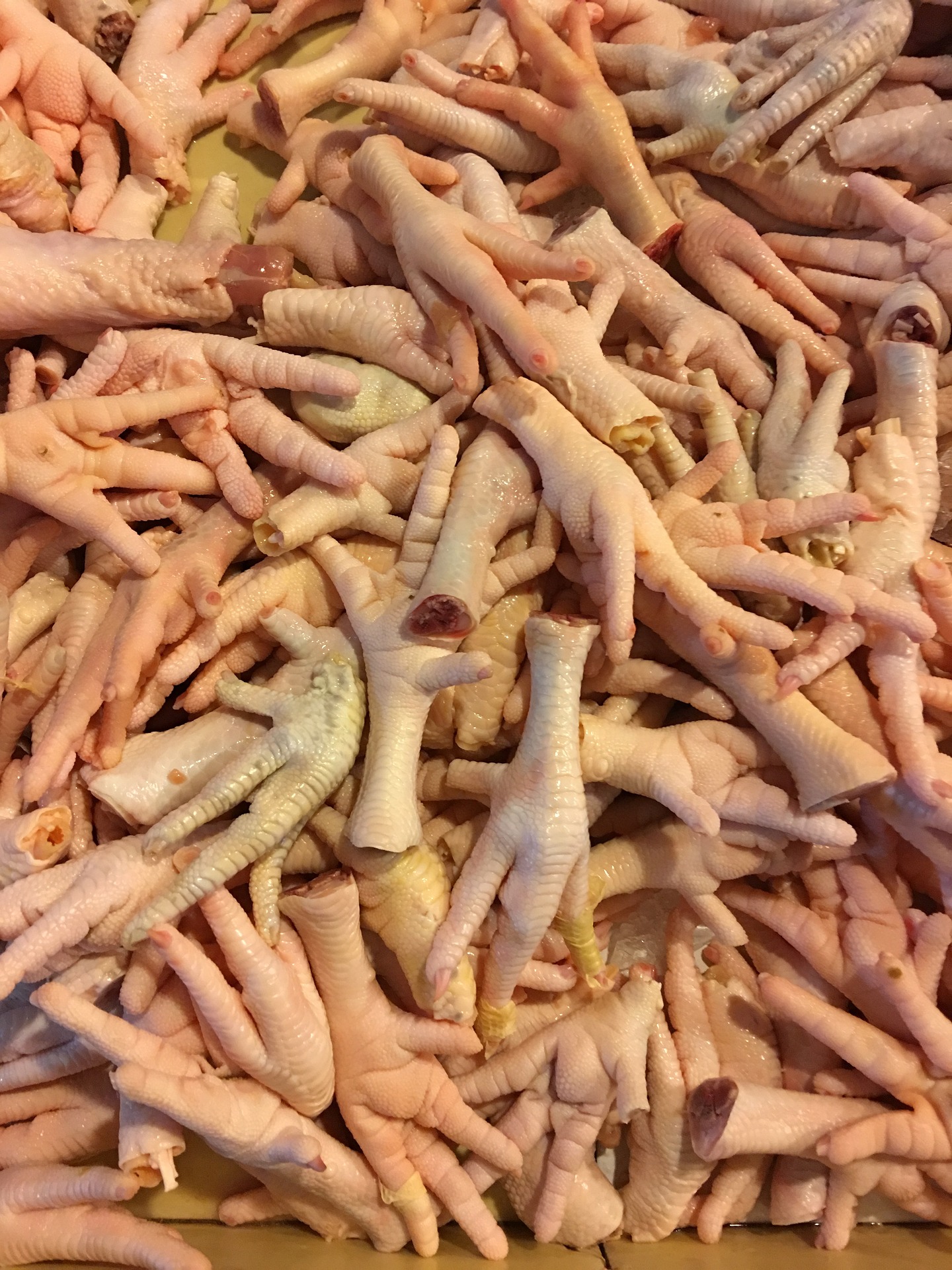
    Welcome to another insightful post on CommodityTrader.com. Today, we’re delving into an intriguing and perhaps surprising trend in the global food commodities market – the soaring demand for chicken feet in China. This niche product, often overlooked in many Western countries, has become a culinary delicacy and a significant import item in China. Let’s explore why this is happening, where China is sourcing from, and the steps necessary for exporting chicken parts to this vast market.

    Why the Surge in Demand?

    Cultural Preferences and Culinary Traditions

    • In China, chicken feet, known as “phoenix claws,” are a prized delicacy. They are savored for their unique texture and flavor and are a staple in dim sum and various traditional dishes.
    • This culinary preference dates back centuries and is deeply embedded in Chinese cuisine and culture.

    Health Perceptions

    • Chicken feet are believed to have health benefits, including being rich in collagen, which is thought to promote skin health and joint mobility.

    Key Sources of Import

    China’s domestic production of chicken does not meet its massive demand, leading to significant imports. The major exporters to China include:

    The United States

    • The U.S. has been a key supplier, although trade dynamics have been influenced by tariffs and trade policies in recent years.

    Brazil and Argentina

    • South American countries, particularly Brazil and Argentina, have become significant exporters of chicken feet to China. Their poultry industries are well-established and meet the stringent quality standards required by Chinese importers.

    Steps for Exporting Chicken to China

    Understanding Market Requirements

    • Compliance with China’s food safety and quality standards is crucial. This includes meeting specific health and safety regulations and obtaining necessary certifications.

    Establishing Supply Chains

    • Securing a reliable supply of high-quality chicken feet is essential. This often involves partnering with large poultry processors who can provide consistent quality and volume.

    Navigating Trade Policies

    • Exporters must stay informed about the latest trade policies, tariffs, and bilateral agreements between their home country and China.

    Building Relationships

    • Establishing strong relationships with Chinese importers and understanding the nuances of Chinese business culture is key to long-term success.

    Logistics and Shipping

    • Efficient logistics and cold chain management are crucial for transporting a perishable product like chicken feet across long distances.

    Economic Impacts

    For Exporting Countries

    • The demand for chicken feet, which are less valued in many Western countries, has opened up lucrative markets for poultry processors in these regions.

    For China

    • Importing chicken feet helps satisfy local demand and contributes to the diversity of the Chinese culinary scene.

    Conclusion

    The growing demand for chicken feet in China is a fascinating example of how specific cultural tastes can shape global trade dynamics. For exporters, tapping into this market requires a thorough understanding of regulatory standards, effective supply chain management, and cultural sensibilities.

    At CommodityTrader.com, we provide the insights and guidance needed to navigate these unique market opportunities. Whether you’re an established trader or looking to explore new markets, understanding the complexities of commodities like chicken feet is key to success in the global trade arena.