Author: Aaron

  • The Untapped Potential of Soft Commodities in West Africa

    The Untapped Potential of Soft Commodities in West Africa

    A Wealth of Agricultural Resources

    West Africa, a region rich in agricultural diversity, stands as a significant player in the global market for soft commodities. This region is home to a wide array of agricultural products, including cocoa, cotton, cashew nuts, maize, cassava, rice, sorghum, millet, and palm oil. In this blog post, we delve into the potential and challenges of the soft commodity sector in West Africa, highlighting opportunities for investors and traders in the global commodity market.

    Key Commodities and Their Market Impact

    • Cocoa: West Africa is renowned for its cocoa production, with countries like Côte d’Ivoire and Ghana leading the way. This region is crucial to the global chocolate industry, providing a substantial portion of the world’s cocoa supply.
    • Cotton and Cashew Nuts: Besides cocoa, West Africa is also a significant producer of cotton and cashew nuts, commodities that play a vital role in the textile and food industries, respectively.
    • Staple Crops: Maize, cassava, rice, sorghum, and millet are essential for food security in the region. These crops have diverse uses and are staples in the local diet.
    • Palm Oil: This versatile oil is used in various applications, from cooking to cosmetics, making it a commodity with broad market appeal.

    Challenges and Opportunities

    While West Africa has immense potential in soft commodities, several challenges and opportunities shape this sector:

    • Production Deficit in Rice: Despite being a staple, there is a significant production deficit in rice, with the region heavily reliant on imports. This presents opportunities for increasing local production and reducing import dependency.
    • Agro-Industry Potential: Crops like maize and cassava offer potential for strengthening the agro-industry, given their multiple market applications and importance for food security.
    • Intraregional Trade: There’s untapped potential for intraregional trade in agricultural products, which could drive agricultural development and economic growth within the region.

    The Role of Soft Commodity Finance Facility (SCFF)

    The SCFF, an initiative to support soft commodity exports in Africa, plays a pivotal role in this sector. It offers pre-export financing to commodity aggregators, aiming to:

    • Reduce postharvest losses
    • Finance pre-harvest activities
    • Support exports, crucial for foreign exchange earnings and liquidity in the region

    Eligible institutions for SCFF must meet certain criteria, including being registered and operational in a Regional Member Country of the African Development Bank, demonstrating commercial viability, and maintaining strong risk management and corporate governance standards.

    Investment Potential in Soft Commodities

    For commodity traders and investors, West Africa’s soft commodity sector presents significant opportunities. Investing in this sector can not only yield financial returns but also contribute to the region’s economic development and food security.

    Conclusion: A Region Ripe for Growth

    West Africa’s soft commodity sector is a landscape of untapped potential, offering diverse opportunities for investment and trade. With the right strategies, investments, and support mechanisms like the SCFF, this sector can significantly contribute to regional and global markets. For commodity traders, staying informed about developments in this region is crucial for tapping into the opportunities presented by these valuable agricultural resources.


  • Mexico’s Ascendancy in Global LNG Exports: A New Era in Energy Trade

    Mexico’s Ascendancy in Global LNG Exports: A New Era in Energy Trade

    A Shift in Global LNG Dynamics

    In a significant shift in the global energy landscape, Mexico is projected to surpass Canada in liquefied natural gas (LNG) exports. This development marks a pivotal moment for Mexico, positioning it as a key player in the global energy market. This blog post explores the factors behind Mexico’s rising prominence in LNG exports and its implications for commodity traders and the global LNG market.

    Mexico’s Growing LNG Export Capacity

    Mexico’s ascent in the LNG export hierarchy is underpinned by substantial investments in LNG export infrastructure. Several new LNG export terminals are under construction, primarily fueled by natural gas imported from the United States. These developments are not just enhancing Mexico’s export capacity but also changing the dynamics of North American energy trade.

    The Role of US Gas in Mexico’s LNG Projects

    Mexico’s reliance on US gas for its LNG projects is a critical aspect of this growth story. This interdependence raises questions about the potential impacts on the domestic gas supply in the US and the competitiveness of Mexican LNG on the global stage. With the US being a major natural gas producer, this symbiotic relationship underscores the integrated nature of North American energy markets.

    Mexico vs. Canada: A Comparative Perspective

    In contrast to Mexico’s aggressive expansion in LNG exports, Canada has faced challenges in fully leveraging its vast natural gas reserves for LNG export. Factors such as regulatory hurdles, political challenges, and environmental concerns have slowed Canada’s entry into the global LNG market. This has contributed to Mexico overtaking Canada in LNG export capacity, a notable shift given Canada’s extensive natural gas resources.

    The Implications for the Global LNG Market

    Mexico’s rise as a significant LNG exporter has several implications:

    • Diversification of Global Supply: Mexico’s entry adds a new dimension to the global LNG supply, potentially leading to more competitive pricing and greater availability of LNG in international markets.
    • Energy Security: With increased LNG exports, Mexico can play a crucial role in meeting the energy security needs of various countries, particularly those looking to diversify their energy sources.
    • Impact on North American Energy Dynamics: The expansion of LNG exports from Mexico could influence natural gas prices and availability in the North American market.

    Opportunities for Commodity Traders

    For commodity traders, Mexico’s burgeoning LNG export industry presents new opportunities:

    • Trading in LNG Contracts: There may be increased opportunities for trading in LNG futures, options, and over-the-counter contracts.
    • Investment in Infrastructure: The growth in Mexico’s LNG export capacity might open up investment opportunities in related infrastructure and services.

    Conclusion: A New Chapter in Energy Trade

    Mexico’s projected surpassing of Canada in global LNG exports signifies a new chapter in the energy trade narrative. For commodity traders, this shift offers both challenges and opportunities. Staying abreast of developments in the LNG market, particularly in North America, will be crucial for those looking to capitalize on these emerging trends in the global energy landscape.

  • Weather Derivatives: An Innovative Hedging Tool in Commodity Trading

    Weather Derivatives: An Innovative Hedging Tool in Commodity Trading

    Harnessing Weather Uncertainties in the Financial Market

    In the dynamic world of commodity trading, weather derivatives have emerged as a critical tool for managing the financial risks associated with weather fluctuations. Unlike traditional financial instruments, these derivatives are specifically designed to hedge against the economic impact of weather variability. This blog post explores the nuances of weather derivatives, their trading mechanisms, and their significance in the commodity trading landscape.

    What are Weather Derivatives?

    Weather derivatives are financial instruments that provide a payout based on the occurrence of specific weather events or the attainment of certain weather-related conditions. Functioning similarly to insurance, they offer financial protection to businesses and individuals against weather-related losses. The most common types of weather derivatives are tied to weather indices such as Heating Degree Days (HDD) and Cooling Degree Days (CDD), which track temperature variations and other weather parameters.

    Trading Platforms for Weather Derivatives

    Weather derivatives can be traded in several ways:

    • Over-The-Counter (OTC): Many weather derivatives are traded OTC, where contracts are customized between two parties, typically with the assistance of specialized brokers.
    • Through Brokers: Brokers play a crucial role in the OTC market, facilitating deals between parties seeking tailored weather derivative contracts.
    • Via an Exchange: The Chicago Mercantile Exchange (CME) offers standardized weather derivative contracts that are traded electronically. These include futures contracts on HDD and CDD indices, as well as options on futures.

    Applications in the Energy Market

    Energy companies frequently use weather derivatives to hedge against temperature risks. For instance, a utility company might purchase a CDD derivative to protect against the financial impact of an unusually warm summer, which could lead to increased air conditioning usage and, consequently, higher energy demand. Conversely, HDD derivatives are used to hedge against colder temperatures and their associated impacts on heating demand.

    CME’s Role in Weather Derivative Trading

    The Chicago Mercantile Exchange has been instrumental in standardizing and facilitating the trading of weather derivatives. By offering these contracts on its GLOBEX system, the CME provides a platform for transparent, regulated trading of weather derivatives, making them accessible to a wider range of traders and investors.

    The Importance of Weather Derivatives in Commodity Trading

    • Risk Management: Weather derivatives are an effective tool for managing the financial risks associated with weather variability, particularly in sectors like agriculture, energy, and transportation.
    • Market Opportunities: These instruments offer unique opportunities for traders and investors to speculate on weather outcomes, adding a new dimension to commodity trading strategies.
    • Diversification: Incorporating weather derivatives into a trading portfolio can provide diversification benefits, as weather patterns may not correlate directly with traditional financial market movements.

    Conclusion: A Vital Tool in Modern Trading

    Weather derivatives represent a significant innovation in the financial markets, providing a means to manage the economic risks associated with weather fluctuations. For commodity traders, understanding and utilizing these instruments can be crucial in mitigating weather-related risks and capitalizing on market opportunities. As the impact of climate change becomes more pronounced, the relevance and usage of weather derivatives are likely to increase, making them an essential component of the modern trader’s toolkit.

  • US Pork Belly Prices Skyrocket Amid Tightening Supplies

    US Pork Belly Prices Skyrocket Amid Tightening Supplies

    The Sizzling Surge in Pork Belly Prices

    In a significant development for commodity traders and the meat industry, US pork belly spot prices have seen a dramatic rise, as dwindling supplies intensify market dynamics. This post delves into the factors behind the soaring prices of pork bellies, a beloved staple for bacon enthusiasts, and what it means for traders and the broader agricultural market.

    A Trend of Declining Stockpiles

    Chilled US stockpiles of pork bellies have been consistently trending below the 5-year average since the latter half of 2023. This decline mirrors a reduction in overall pork production, sparking a notable rally in wholesale spot prices. Since August, the volume of pork bellies in US cold storage has remained under 50 million pounds, significantly lower than the 5-year norm.

    Wholesale Prices Leap

    The impact of these tightened supplies is evident in the wholesale market. Since mid-December, wholesale spot prices for boxed pork belly weighing 200 pounds have surged from $80 to more than $133. This substantial increase, amounting to about 66%, underscores the supply challenges facing the market.

    Challenges for Pork Producers

    2023 was a tough year for pork producers. On average, producers faced losses of about $32 per head, reflecting the challenges within the industry. These difficulties are largely attributed to higher feed costs, labor shortages, and logistical disruptions, and are expected to continue into the current year.

    Market Focus: Upcoming USDA Report

    Traders and market analysts are now keenly awaiting the USDA’s World Agricultural Supply and Demand Estimates report, scheduled for release on February 8th. This report is anticipated to provide crucial insights into the current status of the pork market, including production forecasts, stock levels, and potential price movements.

    Implications for Commodity Traders

    For those trading in agricultural commodities, the situation in the pork belly market offers both challenges and opportunities:

    • Market Volatility: The tight supply of pork bellies indicates potential volatility in prices, which could present opportunities for profit but also carries risks.
    • Supply Chain Adjustments: Traders should monitor supply chain developments, as any changes could significantly impact market dynamics and pricing.
    • Diversification Strategies: In light of these market conditions, traders may consider diversifying their portfolios to mitigate risks associated with the pork belly market.

    Conclusion: A Market in Flux

    The soaring spot prices of US pork bellies highlight the complexities of agricultural commodity trading. As the market navigates tight supplies and anticipates future trends, commodity traders must stay informed and agile to adapt to these changing dynamics. The upcoming USDA report will be a key indicator to watch, potentially shaping market strategies in the weeks and months to come.

  • S&P Futures Nearing Record Highs: A Tech-Driven Market Rally

    S&P Futures Nearing Record Highs: A Tech-Driven Market Rally

    The Tech Sector Leads a Market Resurgence

    In the ever-evolving narrative of the stock market, a notable development has emerged: S&P Futures are approaching all-time highs, propelled largely by a tech sector meltup. This shift, marked by renewed optimism and significant upgrades in tech giants like Apple, is reshaping trader sentiment and market dynamics. Let’s dive into the details of this latest market movement and its implications for traders and investors.

    A Turnaround Week for the Markets

    The week started off quietly, but the mood quickly shifted. Two consecutive upgrades of Apple – a tech behemoth – played a pivotal role. Following a couple of downgrades, the company received a boost from Evercore ISI’s addition to its tactical outperform list, hot on the heels of an upgrade by Bank of America. This sequence not only reversed the previous negative sentiment but also catalyzed a surge in trader enthusiasm, leading to significant gains in premarket trading.

    Record-Breaking Movements

    The impact of these upgrades and the resulting optimism are clearly reflected in the market indices:

    • Nasdaq 100: As of 7:40 am, contracts on the Nasdaq 100 climbed about 0.7%, reaching an all-time high the day before.
    • S&P 500 Futures: They were up by 0.4%, and with the S&P just 16 points away from all-time highs, the market was bracing for a potential new record.

    Market Drivers: What’s Fueling This Rally?

    Several factors are contributing to this market rally:

    1. Tech Sector Performance: The tech sector, especially companies like Apple, is a significant driver. Positive corporate news and upgrades can have a substantial impact on market sentiment.
    2. Economic Optimism: There’s a growing belief in a ‘Goldilocks’ scenario – not too hot, not too cold – where the economy lands softly without major disruptions.
    3. Treasury Yields and the Dollar: Flat treasury yields at 4.14% and a dropping dollar, following a frenetic repricing of policy outlooks earlier in the week, are also influencing market movements.

    Key Indicators to Watch

    Investors and traders are now closely monitoring several indicators for further market cues:

    • University of Michigan Inflation Expectations: These will provide insights into future inflation trends and, by extension, the potential direction of the stock market.
    • Federal Reserve Speakers: Comments and insights from Fed officials will be crucial in shaping expectations about future rate cuts and monetary policy.

    The Changing Odds of Easing

    Interestingly, the prospect of easing in March, which was almost a certainty last week, has now become more uncertain, resembling a coin toss in the eyes of traders. This shift reflects the market’s sensitivity to economic indicators and policy expectations.

    Conclusion: A Market at the Crossroads

    For commodity traders and stock market investors, these developments signal a market at a crossroads. The tech-driven rally, coupled with evolving economic indicators, suggests that careful analysis and strategic positioning will be key in capitalizing on potential opportunities. As always, staying informed and agile in response to market shifts will be crucial for success in this dynamic trading environment.

  • Breakfast Commodities: Trends, Correlations, and Future Outlook

    Breakfast Commodities: Trends, Correlations, and Future Outlook

    A Staple in Every Portfolio: Understanding Breakfast Commodities

    For commodity traders, breakfast commodities—such as coffee, orange juice, wheat (for bread and cereals), sugar, and cocoa (for chocolate spreads and hot cocoa)—present a unique market segment. This blog post delves into how these commodities correlate, their past performance, and projections for their future in the global market.

    The Interconnected World of Breakfast Commodities

    Breakfast commodities are often intertwined in their market dynamics due to several factors:

    Consumer Habits: Shifts in breakfast preferences can simultaneously affect multiple commodities. For example, a trend towards healthier breakfast options may boost demand for orange juice while decreasing demand for sugar.

    Geopolitical Factors: Many breakfast commodities are grown in geopolitically sensitive regions. Political instability in one of these areas can impact prices across the board.

    Weather and Climate Change: As agricultural products, these commodities are susceptible to weather patterns and climate change, which can affect yields and quality.

    Past Performance: A Rollercoaster of Market Dynamics

    Historically, breakfast commodities have shown a mix of volatility and stability:

    • Coffee: Often volatile due to factors like Brazilian weather conditions and varying demand trends.
    • Orange Juice: Prices have fluctuated significantly in response to weather events, especially hurricanes in Florida and droughts in Brazil.
    • Wheat and Sugar: These staples have experienced price fluctuations driven by global supply changes, policy reforms, and energy market dynamics (for sugar).
    • Cocoa: Prices have been influenced by conditions in West Africa, which produces a significant portion of the world’s cocoa.

    Future Projections: Trends to Watch

    Looking forward, several factors are likely to shape the future of breakfast commodities:

    Climate Change Impact: With changing climate patterns, agricultural yields and quality for these commodities could face significant impacts, influencing market dynamics.

    Health and Dietary Trends: Growing health consciousness among consumers may lead to increased demand for certain commodities, like whole grains and natural juices, while decreasing demand for others, like sugar.

    Technological Advancements: Innovations in agriculture and food processing could improve yields and reduce costs, potentially stabilizing prices.

    Global Economic Trends: Economic growth in emerging markets could lead to increased demand for these commodities, while economic downturns might have the opposite effect.

    Investment Considerations

    For commodity traders, investment in breakfast commodities requires a keen understanding of these dynamics. Diversification across different commodities, constant monitoring of global trends, and a proactive approach to managing risks are key strategies for navigating this sector.

    Conclusion: A Segment Full of Potential

    In conclusion, breakfast commodities represent a fascinating and dynamic segment of the global commodity market. Their interconnected nature, combined with the influence of various global factors, makes them both challenging and potentially rewarding for traders. Staying informed and agile in response to market changes will be crucial for those looking to capitalize on the opportunities these commodities present in the future.

    Image by Elenildo Ferreira Artpix Comunicação visual from Pixabay

  • Ultra Fine Copper Powder: A High-Demand Commodity in Modern Industries

    Ultra Fine Copper Powder: A High-Demand Commodity in Modern Industries

    Seeking Buyers for a Market-Defining Product

    In the dynamic world of commodity trading, we are excited to announce an opportunity for buyers interested in ultra fine copper powder. This specialized form of copper powder, known for its exceptionally small particle size, high purity, and low agglomeration tendency, is carving out a significant niche in various industrial applications. This blog post explores the market potential, applications, and growth prospects of ultra fine copper powder, inviting interested parties to capitalize on this burgeoning market.

    The Rising Star in High-Performance Materials: UltraFine Copper Powder

    Ultra fine copper powder is distinguished by its micro-scale particle size, offering unique properties that make it highly sought after in several cutting-edge industries. Its primary uses include:

    Electrically Conductive Filler: In coating compositions, pastes, and resins, ultra fine copper powder enhances electrical conductivity, crucial for the electronics industry.

    Antibacterial Additive: Leveraging its antimicrobial properties, this powder is used in various medical and health-related applications.

    Powder Metallurgy: As a starting powder, it’s pivotal in manufacturing high-precision and complex metal parts.

    Market Overview: A Sector Poised for Growth

    The global market for ultra fine copper powder is experiencing robust growth. With an estimated market size of US$ 400.3 million in 2022, it is forecasted to reach US$ 567.8 million by 2028, growing at a CAGR of 6.0% during the review period. This growth trajectory is propelled by:

    • Rising Demand in Key Industries: The surge in demand for high-performance materials across electronics, aerospace, automotive, and medical industries is a major growth driver.
    • Adoption of Nanotechnology: Innovations in nanotechnology are opening new applications for ultra fine copper powder, further fueling market expansion.

    Global Trade Dynamics

    The trade of ultra fine copper powder reflects a global network of producers and consumers:

    • Leading Exporters: China, Japan, Germany, and the United States are at the forefront of supplying this high-demand product.
    • Major Importers: Countries like India, South Korea, Brazil, and Russia are key importers, utilizing the powder in various industrial applications.

    Target Industries

    Ultrafine copper powder has found essential applications in several industries, each contributing to its growing market demand:

    Electronics: Used in conductive inks, coatings, and components.

    Metallurgy: Crucial for producing complex metal components with high precision.

    Chemical: As a catalyst and in various chemical processes.

    Pharmaceutical: For its antibacterial properties in medical applications.

    Opportunity for Buyers

    We are actively seeking buyers who recognize the potential of ultrafine copper powder and are looking to leverage its diverse applications. This presents a lucrative opportunity, especially for players in the electronics, metallurgy, chemical, and pharmaceutical industries, to diversify their material sources and tap into a growing market.

    Conclusion: A Market Ripe for Investment

    The copper powder market represents a significant opportunity for commodity traders and industry stakeholders. With its diverse applications, growing demand, and strong market forecasts, it offers a promising avenue for investment and expansion. We invite interested buyers to explore this opportunity and join us in driving forward the next wave of industrial innovation and market growth.

    Copper Powder image source: Demystifying the Ultrafine Copper Powder Market: Buyers, Price Factors, Purity Levels, Applications, and more

  • Navigating the Gold Trade: Insights from a Recent Offer in Ghana

    Navigating the Gold Trade: Insights from a Recent Offer in Ghana

    A Lucrative Opportunity in the Gold Market

    The world of commodity trading continually presents diverse opportunities, and a recent offer in the gold trade sector from Ghana exemplifies this. This significant deal involves the trading of high-purity gold bars, providing a unique insight into the complexities and potential of the gold market. In this blog post, we delve into the key aspects of this offer and what it means for commodity traders.

    Offer Overview: High-Purity Gold from Ghana

    The offer in question involves the sale of gold bars with the following specifications:

    • Carat: 22+
    • Purity: Between 92% to 97%
    • Quantity: A total of 5000 kilograms (5 Metric Tons), with a monthly supply of 2500 kilograms
    • Pricing: Set at 15% below the daily London Bullion Market Association (LBMA) rate, providing an attractive discount for buyers
    • Origin: Ghana, renowned for its rich gold reserves
    • Refineries Involved: A.A. Refinery and Sewia Refinery, indicating the high-quality processing of the gold

    Transaction Dynamics

    The transaction structure is meticulously laid out to ensure transparency and security for both parties. Key elements include:

    1. Contract Procedure: The process begins with the seller providing a draft contract, followed by review and approval by the buyer.
    2. Physical Inspection: A vital step where the buyer inspects the gold at a security house in Ghana, followed by refinery testing to confirm quality.
    3. Logistics and Payment: The buyer arranges transport (a private jet) and bears the cost of logistics and insurance. Payment terms are clear, with an initial 3.5% payment for export documentation, followed by full payment post-final assay at the buyer’s refinery.

    Market Implications

    This offer is not just a transaction but a window into the vibrant gold trade in Ghana. It underscores several key aspects:

    • Pricing Strategy: The pricing at 15% below LBMA rates is competitively attractive, potentially offering lucrative margins for buyers.
    • Quality Assurance: The emphasis on refinery testing and physical inspection highlights the importance of quality assurance in precious metal trading.
    • Logistical Considerations: The detailed logistics and payment procedures underscore the complexities involved in international gold trading.

    Opportunities for Commodity Traders

    For commodity traders, this offer represents an opportunity to engage in the gold market with a substantial volume and assured quality. It is a chance to capitalize on the competitive pricing and potentially expand into the African gold market, known for its rich reserves and growing global influence.

    Conclusion: A Golden Opportunity with Considerations

    This offer from Ghana is a prime example of the opportunities and complexities inherent in the gold trading market. For traders looking to venture into or expand their presence in this sector, deals like this provide a template for what to expect and how to navigate the nuances of international gold trading. With meticulous planning, thorough due diligence, and an understanding of market dynamics, commodity traders can successfully engage in these lucrative opportunities.

    Image by Šimon Géč from Pixabay

  • Alberta’s Energy Exports: A Global Perspective on Trade and Markets

    Alberta’s Energy Exports: A Global Perspective on Trade and Markets

    Harnessing Alberta Energy Wealth for Global Trade

    Alberta, Canada’s powerhouse of energy production, plays a pivotal role in the international energy market. Rich in natural resources, Alberta’s energy exports encompass a wide array of products, including crude oil, natural gas, and petrochemicals. In this blog post, we’ll explore the scale and scope of Alberta’s energy exports, examining the key importing countries and the approximate dollar values of these exports.

    Crude Oil: The Keystone of Alberta Exports

    Crude oil is arguably the most significant of Alberta’s energy exports, primarily sourced from its vast oil sands reserves. Alberta’s crude oil predominantly reaches international markets through extensive pipeline networks and rail transport.

    United States: The U.S. is the primary importer of Alberta’s crude oil, leveraging its geographical proximity and established pipeline connections. The dollar value of crude oil exports to the U.S. is substantial, often running into tens of billions annually.

    Other Markets: While the U.S. dominates as Alberta’s primary crude oil customer, efforts to diversify export markets have seen Alberta’s oil reaching different parts of the world, including Asia and Europe, albeit in smaller quantities.

    Natural Gas and LNG: Expanding Alberta’s Energy Reach

    Alberta is also a significant producer of natural gas, which it exports in both its raw form and as liquefied natural gas (LNG).

    United States: Again, the U.S. is a major importer of Alberta’s natural gas, using it for heating, electricity generation, and as an industrial feedstock. The dollar value of natural gas exports to the U.S. is also noteworthy, contributing significantly to Alberta’s economy.

    Asian Markets: With the global shift towards cleaner energy sources, Alberta’s LNG is finding a market in Asian countries. These exports, though currently limited, have the potential to grow significantly in value as global demand for LNG increases.

    Petrochemicals: Diversifying Alberta’s Export Portfolio

    Beyond raw energy products, Alberta is an exporter of various petrochemicals, derived from its abundant natural resources.

    International Markets: Petrochemicals from Alberta reach a diverse range of international markets. These products are used in various industries, from plastics manufacturing to pharmaceuticals.

    Dollar Values: The exact dollar values of petrochemical exports vary based on global market conditions and the specific products in question. However, they add a significant layer of diversification to Alberta’s energy export profile.

    Challenges and Opportunities

    Alberta’s energy exports face both challenges and opportunities. Market access issues, global oil price fluctuations, and the transition towards renewable energy sources are some of the challenges. However, opportunities arise in expanding into emerging markets, investing in LNG infrastructure, and exploring renewable energy exports.

    Conclusion: A Key Player in Global Energy

    In conclusion, Alberta’s role in the global energy market is significant. Its diverse range of energy products, from crude oil to natural gas and petrochemicals, caters to a wide array of international markets, with the U.S. being the predominant importer. As the world’s energy landscape evolves, Alberta’s energy sector is poised to adapt and continue its vital contribution to global energy trade. For commodity traders, keeping abreast of Alberta’s energy exports, market trends, and potential shifts in global energy policies is crucial for navigating this dynamic market.

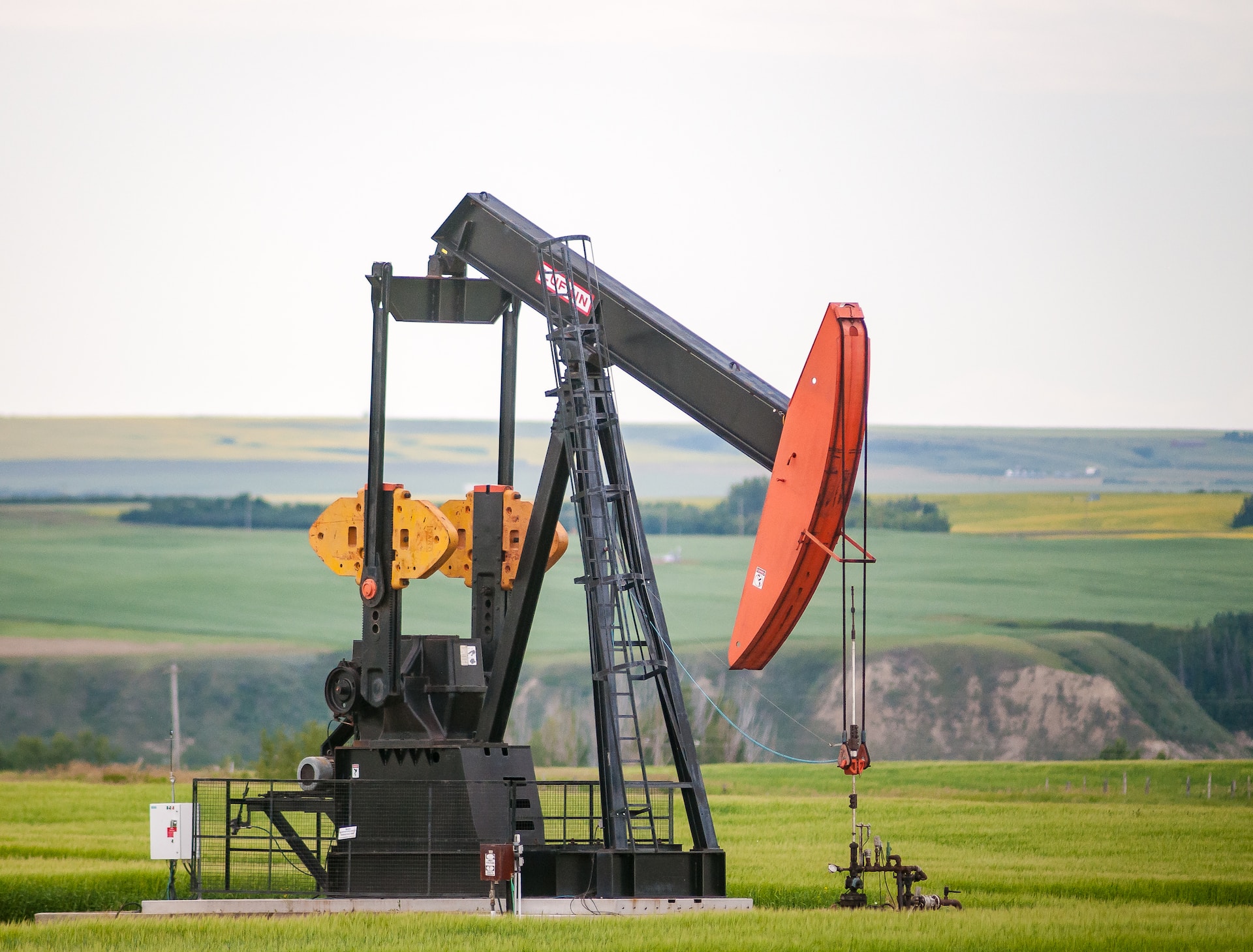
    Photo by David Thielen on Unsplash

  • Navigating Agriculture Flows: Key Data Sources for Tracking Agricultural Cargoes

    Navigating Agriculture Flows: Key Data Sources for Tracking Agricultural Cargoes

    The Importance of Data in Agricultural Commodity Trading

    In the ever-evolving and complex world of agricultural commodity trading, staying informed about the latest market trends, cargo movements, and trade flows is crucial. For traders, analysts, and industry stakeholders, reliable data sources are invaluable for making informed decisions. In this blog post, we’ll explore some of the best sources for data on agricultural cargoes and their movements, focusing on organizations like China Customs, ICCO, IGC, ISC, NOPA, USDA, and WASDE.

    China Customs

    As one of the world’s largest importers and consumers of agricultural commodities, China plays a pivotal role in global trade flows. Data from China Customs is essential for understanding this market, offering detailed insights into import and export volumes, tariff rates, and trade barriers. This information is vital for traders dealing with commodities that have a significant market in China.

    International Cocoa Organization (ICCO)

    For those in the cocoa trade, the ICCO is an indispensable resource. It provides comprehensive data on cocoa production, prices, stocks, and global trade flows. Their reports and statistical data are essential for understanding market dynamics, particularly for countries heavily involved in cocoa production and export.

    International Grains Council (IGC)

    The IGC offers extensive data on global grain and oilseed markets. It covers a wide range of commodities, including wheat, corn, soybeans, and rice. The Council’s reports on production, consumption, trade, and stocks are crucial for traders who need to stay abreast of changes in the grains market.

    International Sugar Organization (ISO)

    Sugar traders rely heavily on the ISO for data on global sugar markets. The organization provides detailed analysis of sugar production, consumption, export, import, and price trends. Their reports offer a global perspective, which is essential for understanding the complexities of the sugar market.

    National Oilseed Processors Association (NOPA)

    NOPA is key for those involved in the soybean and oilseed markets. It offers monthly reports on soybean crush data and oilseed processing, which are critical for gauging supply and demand dynamics in the U.S. and globally.

    United States Department of Agriculture (USDA)

    The USDA is one of the most comprehensive sources for agricultural data. It provides extensive information on a wide range of commodities and covers aspects such as production, consumption, stocks, and exports. The USDA’s reports are considered authoritative and are closely followed by agricultural traders worldwide.

    World Agricultural Supply and Demand Estimates (WASDE)

    The WASDE report, published by the USDA, is a key document that offers monthly forecasts of supply and demand for major crops and livestock. The report’s global coverage and detailed analysis make it an essential tool for anyone involved in agricultural commodity trading.

    Conclusion: Staying Ahead in Agricultural Commodity Trading

    In conclusion, staying informed and up-to-date with the latest data is crucial in the fast-paced world of agricultural commodity trading. Utilizing the wealth of information provided by organizations like China Customs, ICCO, IGC, ISO, NOPA, USDA, and WASDE allows traders to make well-informed decisions, understand market trends, and stay ahead of the curve. These sources are invaluable for anyone looking to succeed in the dynamic and challenging world of agricultural commodities.

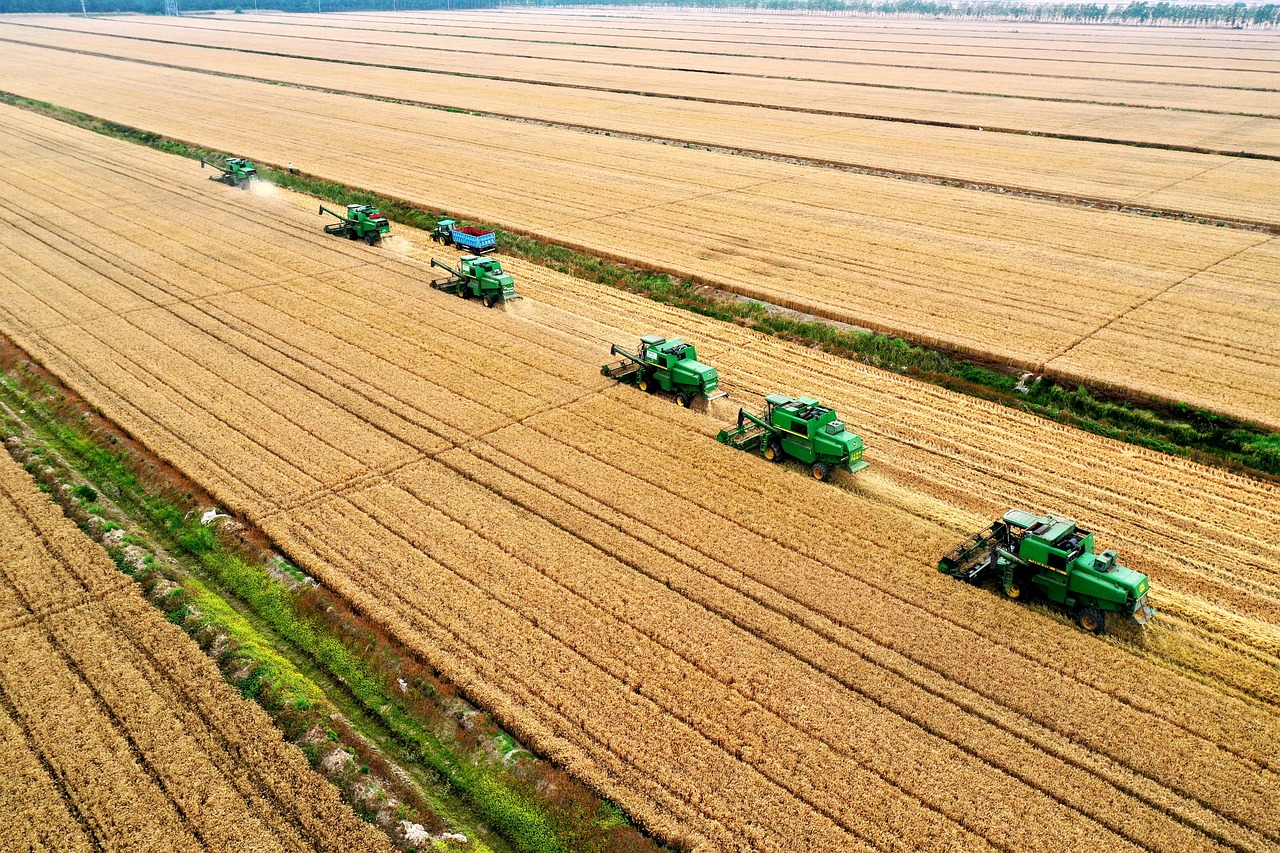
    Image by Bigbig Dragon from Pixabay