Tag: LNG

  • Mexico’s Ascendancy in Global LNG Exports: A New Era in Energy Trade

    Mexico’s Ascendancy in Global LNG Exports: A New Era in Energy Trade

    A Shift in Global LNG Dynamics

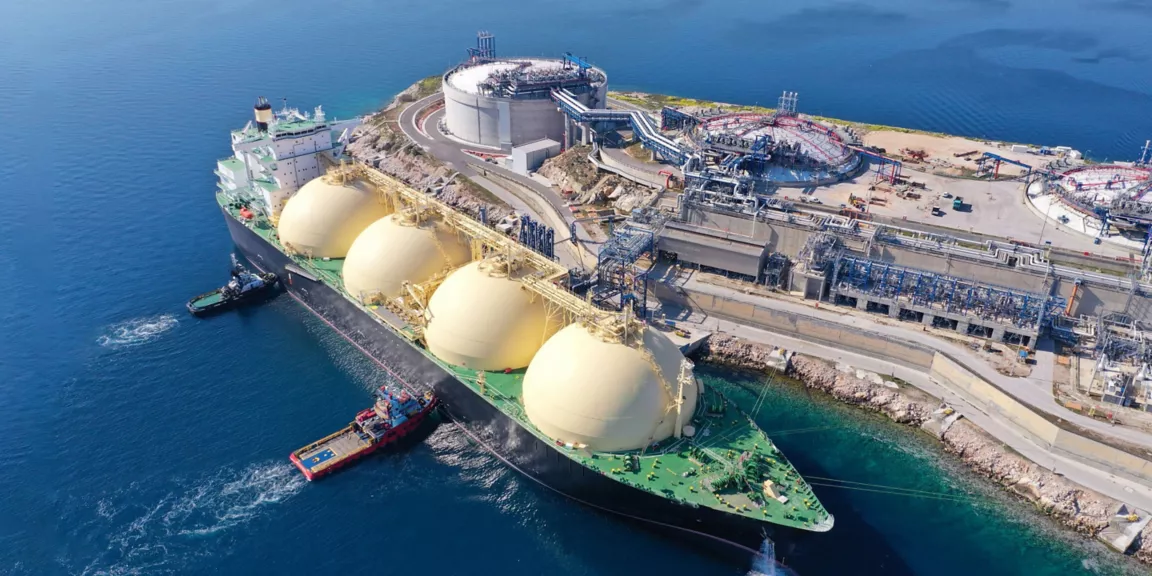
    In a significant shift in the global energy landscape, Mexico is projected to surpass Canada in liquefied natural gas (LNG) exports. This development marks a pivotal moment for Mexico, positioning it as a key player in the global energy market. This blog post explores the factors behind Mexico’s rising prominence in LNG exports and its implications for commodity traders and the global LNG market.

    Mexico’s Growing LNG Export Capacity

    Mexico’s ascent in the LNG export hierarchy is underpinned by substantial investments in LNG export infrastructure. Several new LNG export terminals are under construction, primarily fueled by natural gas imported from the United States. These developments are not just enhancing Mexico’s export capacity but also changing the dynamics of North American energy trade.

    The Role of US Gas in Mexico’s LNG Projects

    Mexico’s reliance on US gas for its LNG projects is a critical aspect of this growth story. This interdependence raises questions about the potential impacts on the domestic gas supply in the US and the competitiveness of Mexican LNG on the global stage. With the US being a major natural gas producer, this symbiotic relationship underscores the integrated nature of North American energy markets.

    Mexico vs. Canada: A Comparative Perspective

    In contrast to Mexico’s aggressive expansion in LNG exports, Canada has faced challenges in fully leveraging its vast natural gas reserves for LNG export. Factors such as regulatory hurdles, political challenges, and environmental concerns have slowed Canada’s entry into the global LNG market. This has contributed to Mexico overtaking Canada in LNG export capacity, a notable shift given Canada’s extensive natural gas resources.

    The Implications for the Global LNG Market

    Mexico’s rise as a significant LNG exporter has several implications:

    • Diversification of Global Supply: Mexico’s entry adds a new dimension to the global LNG supply, potentially leading to more competitive pricing and greater availability of LNG in international markets.
    • Energy Security: With increased LNG exports, Mexico can play a crucial role in meeting the energy security needs of various countries, particularly those looking to diversify their energy sources.
    • Impact on North American Energy Dynamics: The expansion of LNG exports from Mexico could influence natural gas prices and availability in the North American market.

    Opportunities for Commodity Traders

    For commodity traders, Mexico’s burgeoning LNG export industry presents new opportunities:

    • Trading in LNG Contracts: There may be increased opportunities for trading in LNG futures, options, and over-the-counter contracts.
    • Investment in Infrastructure: The growth in Mexico’s LNG export capacity might open up investment opportunities in related infrastructure and services.

    Conclusion: A New Chapter in Energy Trade

    Mexico’s projected surpassing of Canada in global LNG exports signifies a new chapter in the energy trade narrative. For commodity traders, this shift offers both challenges and opportunities. Staying abreast of developments in the LNG market, particularly in North America, will be crucial for those looking to capitalize on these emerging trends in the global energy landscape.
  • Alberta’s Energy Exports: A Global Perspective on Trade and Markets

    Alberta’s Energy Exports: A Global Perspective on Trade and Markets

    Harnessing Alberta Energy Wealth for Global Trade

    Alberta, Canada’s powerhouse of energy production, plays a pivotal role in the international energy market. Rich in natural resources, Alberta’s energy exports encompass a wide array of products, including crude oil, natural gas, and petrochemicals. In this blog post, we’ll explore the scale and scope of Alberta’s energy exports, examining the key importing countries and the approximate dollar values of these exports.

    Crude Oil: The Keystone of Alberta Exports

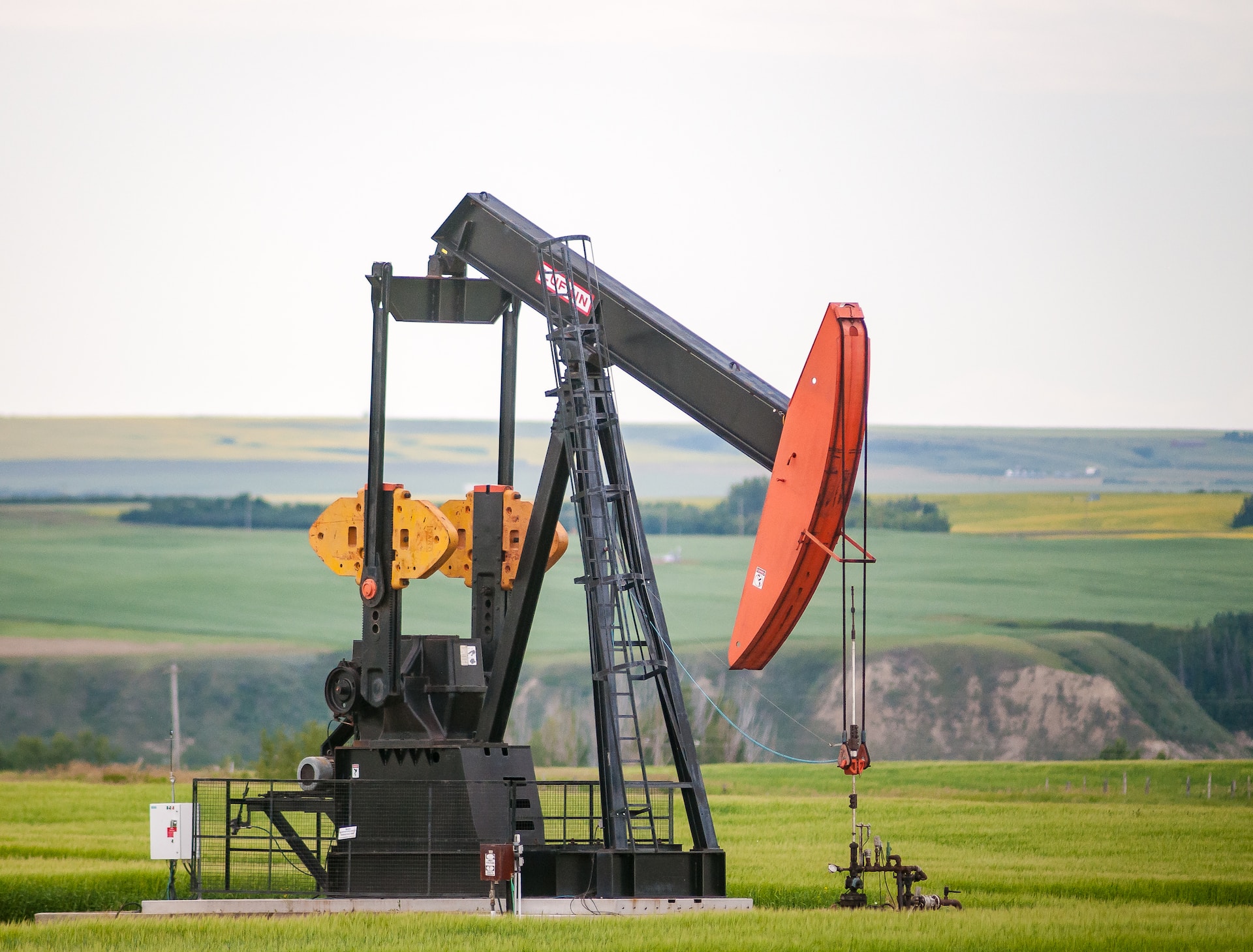
    Crude oil is arguably the most significant of Alberta’s energy exports, primarily sourced from its vast oil sands reserves. Alberta’s crude oil predominantly reaches international markets through extensive pipeline networks and rail transport.

    United States: The U.S. is the primary importer of Alberta’s crude oil, leveraging its geographical proximity and established pipeline connections. The dollar value of crude oil exports to the U.S. is substantial, often running into tens of billions annually.

    Other Markets: While the U.S. dominates as Alberta’s primary crude oil customer, efforts to diversify export markets have seen Alberta’s oil reaching different parts of the world, including Asia and Europe, albeit in smaller quantities.

    Natural Gas and LNG: Expanding Alberta’s Energy Reach

    Alberta is also a significant producer of natural gas, which it exports in both its raw form and as liquefied natural gas (LNG).

    United States: Again, the U.S. is a major importer of Alberta’s natural gas, using it for heating, electricity generation, and as an industrial feedstock. The dollar value of natural gas exports to the U.S. is also noteworthy, contributing significantly to Alberta’s economy.

    Asian Markets: With the global shift towards cleaner energy sources, Alberta’s LNG is finding a market in Asian countries. These exports, though currently limited, have the potential to grow significantly in value as global demand for LNG increases.

    Petrochemicals: Diversifying Alberta’s Export Portfolio

    Beyond raw energy products, Alberta is an exporter of various petrochemicals, derived from its abundant natural resources.

    International Markets: Petrochemicals from Alberta reach a diverse range of international markets. These products are used in various industries, from plastics manufacturing to pharmaceuticals.

    Dollar Values: The exact dollar values of petrochemical exports vary based on global market conditions and the specific products in question. However, they add a significant layer of diversification to Alberta’s energy export profile.

    Challenges and Opportunities

    Alberta’s energy exports face both challenges and opportunities. Market access issues, global oil price fluctuations, and the transition towards renewable energy sources are some of the challenges. However, opportunities arise in expanding into emerging markets, investing in LNG infrastructure, and exploring renewable energy exports.

    Conclusion: A Key Player in Global Energy

    In conclusion, Alberta’s role in the global energy market is significant. Its diverse range of energy products, from crude oil to natural gas and petrochemicals, caters to a wide array of international markets, with the U.S. being the predominant importer. As the world’s energy landscape evolves, Alberta’s energy sector is poised to adapt and continue its vital contribution to global energy trade. For commodity traders, keeping abreast of Alberta’s energy exports, market trends, and potential shifts in global energy policies is crucial for navigating this dynamic market.

    Photo by David Thielen on Unsplash