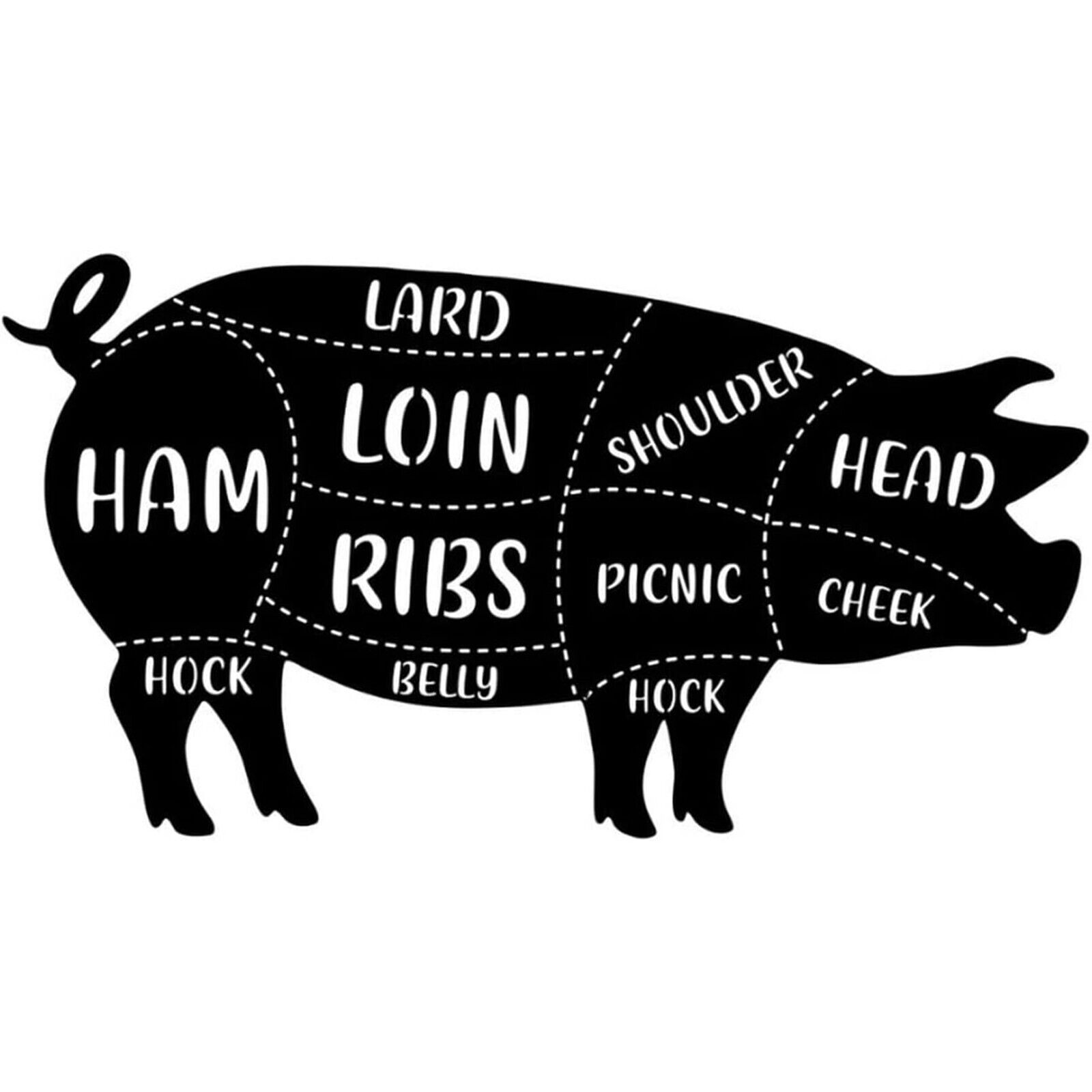
Tag: Pork Belly

  • US Pork Belly Prices Skyrocket Amid Tightening Supplies

    US Pork Belly Prices Skyrocket Amid Tightening Supplies

    The Sizzling Surge in Pork Belly Prices

    In a significant development for commodity traders and the meat industry, US pork belly spot prices have seen a dramatic rise, as dwindling supplies intensify market dynamics. This post delves into the factors behind the soaring prices of pork bellies, a beloved staple for bacon enthusiasts, and what it means for traders and the broader agricultural market.

    A Trend of Declining Stockpiles

    Chilled US stockpiles of pork bellies have been consistently trending below the 5-year average since the latter half of 2023. This decline mirrors a reduction in overall pork production, sparking a notable rally in wholesale spot prices. Since August, the volume of pork bellies in US cold storage has remained under 50 million pounds, significantly lower than the 5-year norm.

    Wholesale Prices Leap

    The impact of these tightened supplies is evident in the wholesale market. Since mid-December, wholesale spot prices for boxed pork belly weighing 200 pounds have surged from $80 to more than $133. This substantial increase, amounting to about 66%, underscores the supply challenges facing the market.

    Challenges for Pork Producers

    2023 was a tough year for pork producers. On average, producers faced losses of about $32 per head, reflecting the challenges within the industry. These difficulties are largely attributed to higher feed costs, labor shortages, and logistical disruptions, and are expected to continue into the current year.

    Market Focus: Upcoming USDA Report

    Traders and market analysts are now keenly awaiting the USDA’s World Agricultural Supply and Demand Estimates report, scheduled for release on February 8th. This report is anticipated to provide crucial insights into the current status of the pork market, including production forecasts, stock levels, and potential price movements.

    Implications for Commodity Traders

    For those trading in agricultural commodities, the situation in the pork belly market offers both challenges and opportunities:

    • Market Volatility: The tight supply of pork bellies indicates potential volatility in prices, which could present opportunities for profit but also carries risks.
    • Supply Chain Adjustments: Traders should monitor supply chain developments, as any changes could significantly impact market dynamics and pricing.
    • Diversification Strategies: In light of these market conditions, traders may consider diversifying their portfolios to mitigate risks associated with the pork belly market.

    Conclusion: A Market in Flux

    The soaring spot prices of US pork bellies highlight the complexities of agricultural commodity trading. As the market navigates tight supplies and anticipates future trends, commodity traders must stay informed and agile to adapt to these changing dynamics. The upcoming USDA report will be a key indicator to watch, potentially shaping market strategies in the weeks and months to come.

  • Navigating the Global Market: The Dynamics of Pork Belly Imports and Exports

    Navigating the Global Market: The Dynamics of Pork Belly Imports and Exports

    A Deep Dive into the Pork Belly Trade

    In the intricate web of global trade, pork belly stands out as a fascinating commodity. This cut of pork, known for its rich flavor and versatility, has a significant presence in international markets. This blog post explores the nuances of pork belly imports and exports, shedding light on the factors that drive this trade and its impact on the global economy.

    Understanding Pork Belly’s Global Appeal

    Pork belly, the cut from which bacon is made, is a staple in many cuisines worldwide. Its popularity spans continents, from the savory bacon in American breakfasts to the succulent slices in Korean samgyeopsal. This widespread demand underpins the global trade of pork belly, making it a valuable commodity in the international market.

    Key Players in Pork Trade

    Several countries lead the charge in the production and export of pork belly. Notably, the United States, European Union, and Canada are significant exporters. They have well-established pork industries capable of meeting both domestic and international demands. On the import side, countries like Japan, South Korea, and China are prominent players. Their high consumption rates drive the need for imports, particularly from countries with surplus production.

    Market Dynamics and Trends

    The pork market is influenced by various factors, including dietary trends, health concerns, and cultural preferences. Economic factors such as currency exchange rates, trade agreements, and tariffs also play a crucial role. For instance, trade disputes can lead to tariffs that impact the flow of pork belly between countries, affecting prices and supply chains.

    Environmental and health factors, like outbreaks of diseases such as African Swine Fever (ASF), can significantly disrupt pork belly trade. These outbreaks can lead to culling of swine herds, affecting supply and, subsequently, international trade dynamics.

    Challenges and Opportunities

    Exporting nations face challenges like maintaining product quality during transport, adhering to the importing countries’ food safety standards, and dealing with the volatility of commodity prices. Conversely, there are opportunities in exploring new markets, improving sustainable and ethical farming practices, and adapting to changing consumer preferences.

    For importing nations, challenges include dependency on external markets for supply and potential fluctuations in import costs. Opportunities lie in diversifying import sources and investing in domestic pork production to reduce reliance on imports.

    The Impact of COVID-19 Pandemic

    The COVID-19 pandemic has significantly impacted the commodity trade. Supply chain disruptions, changes in consumer behavior, and shifts in trade policies have all played a role in altering the landscape of pork belly imports and exports.

    Looking Ahead

    As we look to the future, the pork belly market is expected to continue evolving. Factors like global economic recovery post-pandemic, changing dietary trends, and technological advancements in pork production and transportation will shape the future of pork belly trade.

    Conclusion: A Vital Commodity in Global Trade

    In conclusion, pork’s role in global trade is complex and multifaceted. As a commodity, it not only satisfies culinary tastes but also represents significant economic value for countries involved in its trade. Understanding the dynamics of pork imports and exports is crucial for stakeholders in this market, from farmers to traders and policymakers, as they navigate the challenges and capitalize on the opportunities in this ever-changing landscape.

    Photo by amit Majhi on Unsplash