Tag: Ghana

  • The Untapped Potential of Soft Commodities in West Africa

    The Untapped Potential of Soft Commodities in West Africa

    A Wealth of Agricultural Resources

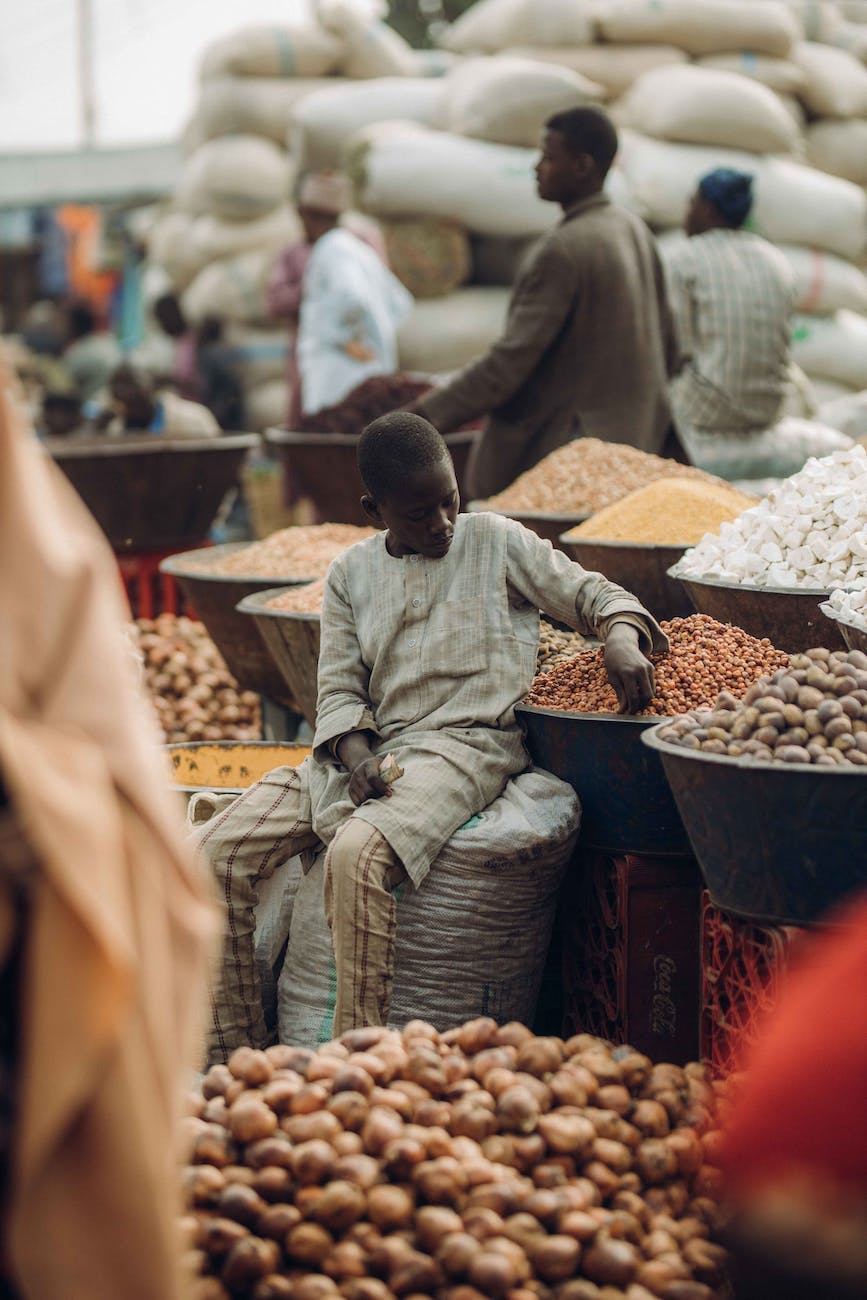
    West Africa, a region rich in agricultural diversity, stands as a significant player in the global market for soft commodities. This region is home to a wide array of agricultural products, including cocoa, cotton, cashew nuts, maize, cassava, rice, sorghum, millet, and palm oil. In this blog post, we delve into the potential and challenges of the soft commodity sector in West Africa, highlighting opportunities for investors and traders in the global commodity market.

    Key Commodities and Their Market Impact

    • Cocoa: West Africa is renowned for its cocoa production, with countries like Côte d’Ivoire and Ghana leading the way. This region is crucial to the global chocolate industry, providing a substantial portion of the world’s cocoa supply.
    • Cotton and Cashew Nuts: Besides cocoa, West Africa is also a significant producer of cotton and cashew nuts, commodities that play a vital role in the textile and food industries, respectively.
    • Staple Crops: Maize, cassava, rice, sorghum, and millet are essential for food security in the region. These crops have diverse uses and are staples in the local diet.
    • Palm Oil: This versatile oil is used in various applications, from cooking to cosmetics, making it a commodity with broad market appeal.

    Challenges and Opportunities

    While West Africa has immense potential in soft commodities, several challenges and opportunities shape this sector:

    • Production Deficit in Rice: Despite being a staple, there is a significant production deficit in rice, with the region heavily reliant on imports. This presents opportunities for increasing local production and reducing import dependency.
    • Agro-Industry Potential: Crops like maize and cassava offer potential for strengthening the agro-industry, given their multiple market applications and importance for food security.
    • Intraregional Trade: There’s untapped potential for intraregional trade in agricultural products, which could drive agricultural development and economic growth within the region.

    The Role of Soft Commodity Finance Facility (SCFF)

    The SCFF, an initiative to support soft commodity exports in Africa, plays a pivotal role in this sector. It offers pre-export financing to commodity aggregators, aiming to:

    • Reduce postharvest losses
    • Finance pre-harvest activities
    • Support exports, crucial for foreign exchange earnings and liquidity in the region

    Eligible institutions for SCFF must meet certain criteria, including being registered and operational in a Regional Member Country of the African Development Bank, demonstrating commercial viability, and maintaining strong risk management and corporate governance standards.

    Investment Potential in Soft Commodities

    For commodity traders and investors, West Africa’s soft commodity sector presents significant opportunities. Investing in this sector can not only yield financial returns but also contribute to the region’s economic development and food security.

    Conclusion: A Region Ripe for Growth

    West Africa’s soft commodity sector is a landscape of untapped potential, offering diverse opportunities for investment and trade. With the right strategies, investments, and support mechanisms like the SCFF, this sector can significantly contribute to regional and global markets. For commodity traders, staying informed about developments in this region is crucial for tapping into the opportunities presented by these valuable agricultural resources.


  • Navigating the Gold Trade: Insights from a Recent Offer in Ghana

    Navigating the Gold Trade: Insights from a Recent Offer in Ghana

    A Lucrative Opportunity in the Gold Market

    The world of commodity trading continually presents diverse opportunities, and a recent offer in the gold trade sector from Ghana exemplifies this. This significant deal involves the trading of high-purity gold bars, providing a unique insight into the complexities and potential of the gold market. In this blog post, we delve into the key aspects of this offer and what it means for commodity traders.

    Offer Overview: High-Purity Gold from Ghana

    The offer in question involves the sale of gold bars with the following specifications:

    • Carat: 22+
    • Purity: Between 92% to 97%
    • Quantity: A total of 5000 kilograms (5 Metric Tons), with a monthly supply of 2500 kilograms
    • Pricing: Set at 15% below the daily London Bullion Market Association (LBMA) rate, providing an attractive discount for buyers
    • Origin: Ghana, renowned for its rich gold reserves
    • Refineries Involved: A.A. Refinery and Sewia Refinery, indicating the high-quality processing of the gold

    Transaction Dynamics

    The transaction structure is meticulously laid out to ensure transparency and security for both parties. Key elements include:

    1. Contract Procedure: The process begins with the seller providing a draft contract, followed by review and approval by the buyer.
    2. Physical Inspection: A vital step where the buyer inspects the gold at a security house in Ghana, followed by refinery testing to confirm quality.
    3. Logistics and Payment: The buyer arranges transport (a private jet) and bears the cost of logistics and insurance. Payment terms are clear, with an initial 3.5% payment for export documentation, followed by full payment post-final assay at the buyer’s refinery.

    Market Implications

    This offer is not just a transaction but a window into the vibrant gold trade in Ghana. It underscores several key aspects:

    • Pricing Strategy: The pricing at 15% below LBMA rates is competitively attractive, potentially offering lucrative margins for buyers.
    • Quality Assurance: The emphasis on refinery testing and physical inspection highlights the importance of quality assurance in precious metal trading.
    • Logistical Considerations: The detailed logistics and payment procedures underscore the complexities involved in international gold trading.

    Opportunities for Commodity Traders

    For commodity traders, this offer represents an opportunity to engage in the gold market with a substantial volume and assured quality. It is a chance to capitalize on the competitive pricing and potentially expand into the African gold market, known for its rich reserves and growing global influence.

    Conclusion: A Golden Opportunity with Considerations

    This offer from Ghana is a prime example of the opportunities and complexities inherent in the gold trading market. For traders looking to venture into or expand their presence in this sector, deals like this provide a template for what to expect and how to navigate the nuances of international gold trading. With meticulous planning, thorough due diligence, and an understanding of market dynamics, commodity traders can successfully engage in these lucrative opportunities.

    Image by Šimon Géč from Pixabay

  • Decoding the Global Cocoa Market: Top Exporters and Market Trends

    Decoding the Global Cocoa Market: Top Exporters and Market Trends

    Welcome to the latest post on CommodityTrader.com! Today, we delve into the rich and flavorful world of cocoa beans. Cocoa, the essential ingredient in chocolate, is a commodity that holds a special place in both the culinary and commodities markets. In this post, we’ll explore the top exporters of cocoa beans, both whole and broken, raw or roasted, and examine the current market trends and statistics that shape this delectable market.

    The Top Exporters of Cocoa Beans

    The global cocoa market is dominated by a few key players, with the majority of production coming from West Africa.

    1. Côte d’Ivoire (Ivory Coast)

    • Market Share and Statistics: Côte d’Ivoire stands as the world’s largest cocoa producer and exporter, contributing about 40% of the world’s supply. The country exported approximately 2.2 million metric tons of cocoa beans in the recent crop year.
    • Market Characteristics: The Ivorian cocoa industry is known for its large-scale farming operations and significant government involvement.

    2. Ghana

    • Market Share and Statistics: Following closely, Ghana is the second-largest exporter of cocoa, accounting for about 20% of the global cocoa supply. Its exports totaled around 1 million metric tons in the recent crop year.
    • Market Characteristics: Ghana’s cocoa is renowned for its high quality. The Ghanaian government plays an active role in the cocoa industry, setting prices and policies.

    3. Ecuador

    • Market Share and Statistics: As the largest exporter in Latin America, Ecuador is known for its fine flavor and aroma beans. It contributes around 7% of the world’s cocoa production.
    • Market Characteristics: Ecuador’s cocoa industry is characterized by smaller-scale farms and a focus on premium varieties.

    4. Nigeria

    • Market Share and Statistics: Nigeria is also a significant player, contributing about 5% to the global cocoa output.
    • Market Characteristics: The Nigerian cocoa sector is marked by both smallholder farms and larger commercial operations.

    Global Market Trends

    Growing Demand for Quality and Sustainable Products

    • There’s an increasing demand for high-quality, ethically sourced cocoa beans. Consumers are more aware of the origins of their chocolate and the conditions under which the cocoa was produced.

    Price Volatility

    • Cocoa prices are subject to volatility, influenced by factors like weather conditions in key growing regions, political instability, and global demand shifts.

    Technological Advancements

    • Innovations in agriculture and processing are transforming the cocoa industry, improving yield and quality.

    The Impact of COVID-19

    • The pandemic has affected the global commodity market in various ways, from disrupting supply chains to impacting consumer demand patterns.

    The Future Outlook

    • Sustainability Focus: There’s a growing emphasis on sustainable and responsible cocoa farming practices.
    • Market Diversification: Newer markets, like Asia, are emerging as significant consumers of cocoa.
    • Health-Conscious Trends: The health benefits of dark chocolate are likely to continue driving the demand for high-quality cocoa.

    Conclusion

    The global cocoa market is as complex as it is fascinating. For traders and investors, understanding the nuances of this market – from the top exporters to the evolving consumer trends – is crucial. At CommodityTrader.com, we provide the insights and analysis you need to navigate this sweet yet sophisticated market. Whether you’re a seasoned trader or new to the world of cocoa, we’re here to help you make the most of these delicious opportunities!

    Chocolate Cocoa Photo by Tetiana Bykovets on Unsplash